Can Motorola keep its clamshell romance alive when the price tag keeps climbing?
This year Motorola shipped three headline-making foldables: the mainstream Razr 2026, the beefier Razr Plus/Ultra variants, and its first book-style Razr Fold. Taken together they show a company that’s refined form and battery tech — but is increasingly conservative about hardware upgrades, and not shy about passing higher costs on to buyers.
What’s new (and what isn’t)
If you follow Motorola’s Razr story, 2026 will feel familiar. The Razr Ultra keeps last year’s silhouette and most of the niceties — brighter “Extreme AMOLED” panels, a larger 5,000mAh silicon‑carbon battery, and camera tweaks like a 50MP main LOFIC sensor — while somehow arriving at a $200 premium over the Ultra 2025. The baseline Razr 2026 trimmed some expense with a MediaTek Dimensity 7450X chip and an 4,800mAh silicon‑carbon cell, but it too is pricier than last year.
Then there’s the Razr Fold, Motorola’s entry in the book-style foldable market. It’s a handsome device with an even more headline-grabbing 6,000mAh battery and support for the Moto Pen Ultra — but it also lands at a flagship price that puts it squarely against Samsung and Google’s big foldables.
If you want a deeper look at Motorola's reasons for launching the Fold and how it slots into the lineup, Motorola laid out preorder details and specs when it announced the device early on.
The battery story is real
Silicon‑carbon cells are the standout here. Across the Razr family they deliver genuine endurance: the Razr Fold’s 6,000mAh pack and the Ultra’s 5,000mAh show stamina that many slab phones still struggle to match. Quick charging is solid too (the Ultra supports 68W wired charging; the Fold pushes 80W wired and 50W wireless). For heavy-screen days — long gaming, long meetings, lots of camera time — Motorola’s battery choices are arguably the most defensible move in the whole refresh.
Design and cover-screen polish
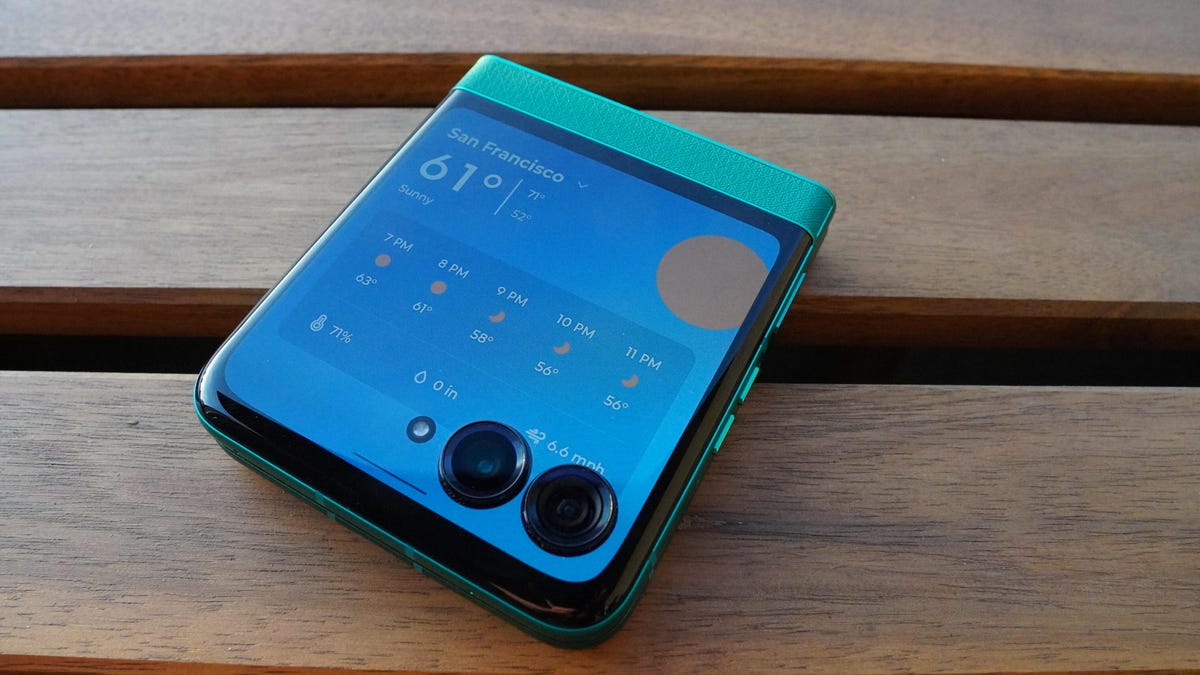
Motorola continues to win on style. Whether it’s Alcantara and wood finishes or bright Pantone hues on the cheaper Razr, the phones turn heads. The larger outer cover displays on the Ultra (4-inch) and the improved 3.6-inch cover on the base Razr make folded use genuinely useful — selfies, glanceable widgets, quick replies. Motorola also improved software features on the cover screen, like Live Updates and video wallpapers, which actually add value rather than gimmickry.
Cameras: better, but not flawless
All three new Razrs leaned into higher-res sensors — 50MP across the board in many cases — and image processing looks better than some recent Motorolas. The Ultra’s LOFIC sensor improves dynamic range and keeps shots looking natural in tricky light. That said, reviewers noticed processing inconsistencies at times (color shifts when swapping lenses, and artifacting in very high digital zoom thanks to aggressive generative cleanup). So you’ll get excellent daylight shots, solid low-light detail, and ho-hum long-range performance: digital zoom only goes so far.
Performance and the chip choices
Here’s where trade-offs are most visible. Motorola split the family across processors: the Razr Ultra uses a Snapdragon 8 Elite (a previous‑generation flagship), the Razr Plus sat on an older Snapdragon 8s Gen 3, and the base Razr gets a MediaTek 7450X. In practice that means smooth everyday use for most buyers, but occasional stutters in heavy multitasking or demanding games — especially on the MediaTek model.
Those silicon decisions feel cautious. Motorola told reviewers it picked proven chips because they match the phones’ needs, but the conservative choice also raises questions about future-proofing and whether certain AI features tied to newer silicon will arrive later or not at all.
Software and AI: useful bits, but overlapping ecosystems
Motorola bundles Moto AI features and a physical Moto AI key. Some features — transcription, quick summaries, image generation tools — are handy. But Moto AI sits alongside Google’s growing Gemini ecosystem, and reviewers noted the experience can feel partially redundant or undercooked compared with Samsung’s more deeply integrated Galaxy AI or Google’s Pixel AI offers. Software update promises also matter: Motorola’s clamshell Razrs generally ship with Android 16 and a three‑year OS guarantee (plus security updates), which lags behind the seven‑year promises from Google and Samsung for some models.
Pricing friction: incremental updates at higher cost
This is the sticky part. Motorola has added genuine upgrades (bigger batteries, brighter cover screens, improved sensors) but the company is also hiking prices — $100 on the base Razr, $200 on the Ultra, and a $1,900 sticker for the Fold. That makes the lineup a harder sell for buyers who own a recent Razr. Reviewers suggested last year’s models — now often discounted — remain compelling buys unless you specifically need the new battery tech or cover screen features.
If you’re comparing the Ultra against slab-style flagships, it’s worth reading a focused comparison to see where flip charisma meets bar‑phone muscle in real-world trade-offs here.
How the Razr Fold stacks up against Samsung and Google
Motorola’s Fold brings a couple of clear differentiators: battery life and stylus support. If your workday chews up screen-on hours, the 6,000mAh cell and fast wired/wireless charging are persuasive. The Moto Pen Ultra gives Motorola an angle for people who actually want a stylus with their foldable. On the other hand, the Fold lacks Qi2 magnets for MagSafe-style mounting, has more preinstalled apps than some reviewers liked, and it sits in an awkward middle ground on size and weight compared with the sleeker Galaxy Z Fold 7 and the Pixel 10 Pro Fold’s superior dust sealing. Those trade-offs make the Fold a strong but not definitive alternative in the premium foldable cage.
Which Razr makes sense for whom
- You want a fashionable, capable clamshell and don’t need top-tier silicon: the base Razr 2026 is the most affordable entry point and still gets the improved cover screen and battery.
- You care about battery life and the best camera tweaks in a flip: Razr Ultra offers the largest cell and upgraded main sensor — but at a premium.
- You need a large folding canvas and stylus support for heavy-screen days: the Razr Fold is the pick, especially if battery life beats everything else on your checklist.
Minor gripes worth knowing
Cases and accessories remain a pain point for Motorola: third‑party options are thinner on the ground than with Samsung or Apple. The Fold’s stylus is sold separately and has no integrated storage solution, meaning you’ll either buy a case that holds it or keep it loose. And yes — there’s still some bloatware and a few software rough edges in places.
Motorola’s 2026 Razr family is ambitious where it counts — especially on battery and design — but cautious in areas that might have felt bolder: chipset upgrades and long-term software guarantees. If you prize looks and all‑day endurance, these phones reward that choice. If you want the absolute latest silicon or the longest update lifespans, the competition still holds some advantages.
If you want to trace Motorola’s broader strategy for this Razr season — how style, savings and the company’s fold ambitions fit together — there’s a longer take on Motorola’s overall Razr strategy that lays out the lineup in more detail here.