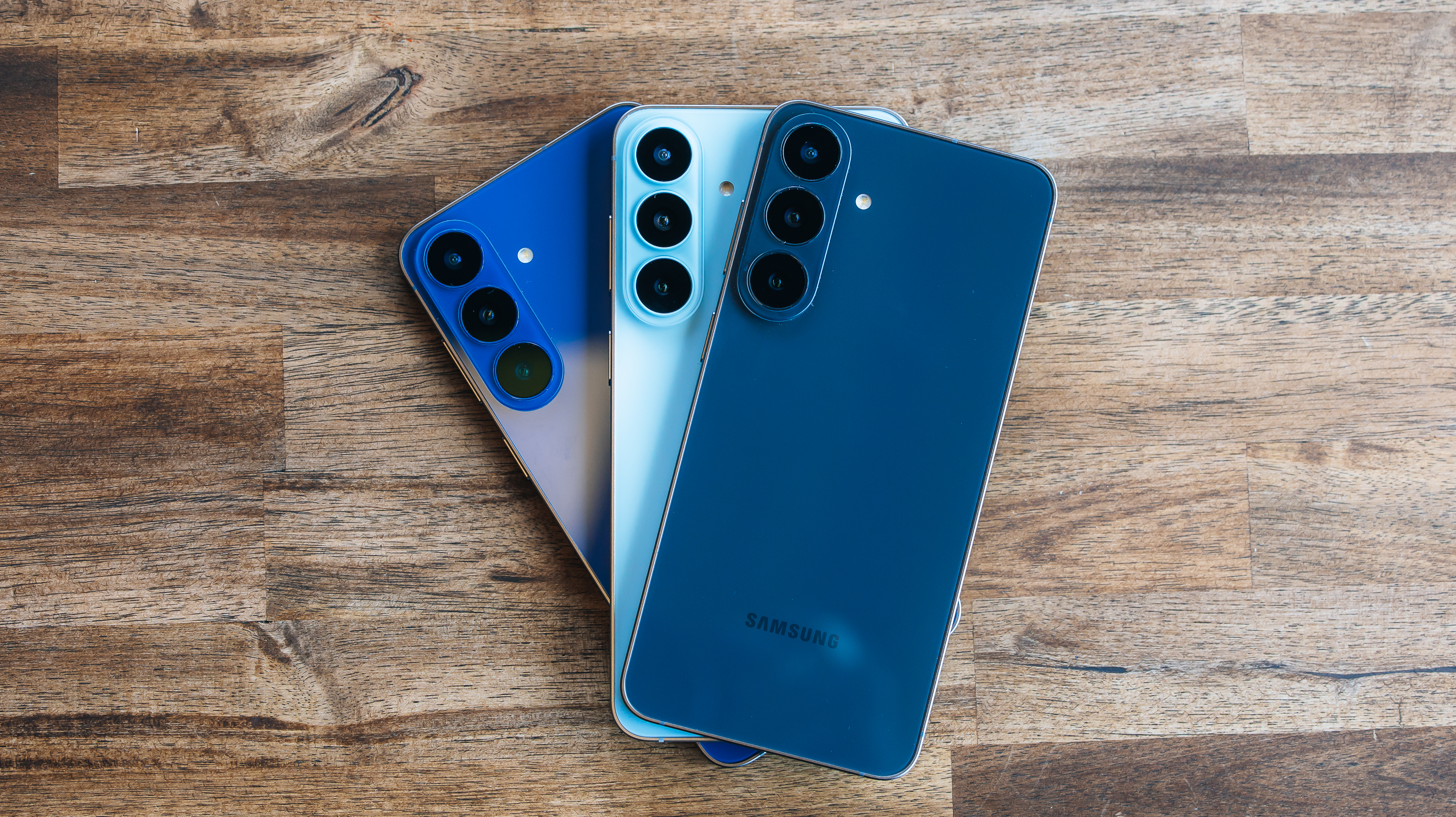
Samsung’s Fan Edition phones have always lived in an awkward little gap: not quite cheap, not quite premium, and usually strongest when the company remembers that “value” is a feeling as much as a spreadsheet calculation. The new Galaxy S26 FE leans hard into that tension. It brings much of Samsung’s latest software stack, a slightly refreshed design and a wider selfie camera, but it also arrives with a $50 price bump that makes the old bargain label feel a lot less convincing.
The phone starts at $699.99 for 128GB of storage, with a 256GB version at $799.99. That’s enough to put it in uncomfortable company. Samsung is pitching it as a more accessible path to Galaxy AI and Android 17-era features, yet it’s no longer sitting far enough below the mainline flagships to feel like an easy impulse buy. Against phones like Google’s Pixel 10A and Apple’s iPhone 17E, the S26 FE is now clearly the pricier option, even if Samsung can argue that its feature set is beefier.
Hardware-wise, the changes are modest. The 6.7-inch OLED display returns, along with the 4,900mAh battery, 45W wired charging and 15W wireless charging. The rear camera setup is also familiar: a 50-megapixel main camera, 12-megapixel ultrawide and 8-megapixel telephoto with 3x optical zoom. Samsung says it has improved image clarity, especially at 1x and 2x zoom, and tightened up its 30x digital zoom. But this is not a year of big camera surgery. It’s more of a careful tune-up.
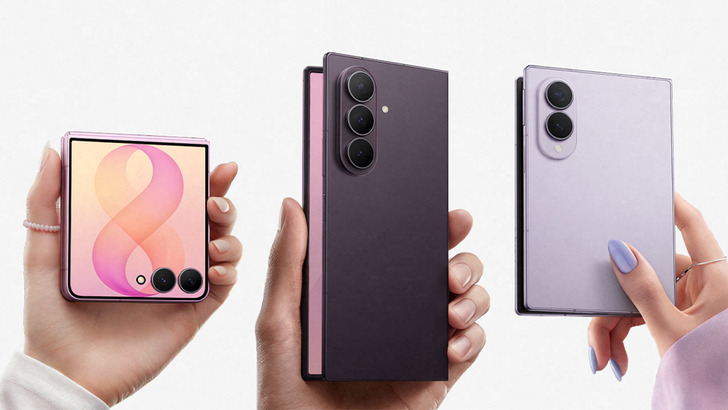
The most noticeable physical change is on the front. The selfie camera is still 12 megapixels, but Samsung has widened its field of view, which should make group selfies and vlogging a little easier. The company also gave the phone a mild design refresh, with glossier finishes, a raised camera island and three colors that should sound familiar to anyone paying attention to Samsung’s wider lineup: pistachio, blueberry and graphite. That pistachio shade has already made the rounds on the Galaxy S26 Ultra, and Samsung seems happy to reuse a hit.
The software pitch is doing the heavy lifting
The real sales argument here is software. The S26 FE ships with One UI 9 and Android 17, and Samsung is bundling in a lot of the camera tools and AI extras that used to be reserved for pricier models. Super Steady Video with Horizontal Lock aims to keep handheld clips smooth when you’re walking or just unable to hold still for five seconds. My FanCam can autoframe a chosen subject, and Audio Eraser can strip out background noise from videos — even on supported Netflix and YouTube content.
That last bit matters more than it sounds like it does. Samsung knows plenty of buyers don’t obsess over benchmark charts, but they do care about whether a phone makes them look polished in a video call or helps salvage a noisy clip from a concert or game. The FE line has always done better when it feels practical rather than theoretical, and this is a very Samsung way of making AI look less like a demo and more like a feature you might actually use.
There’s also a smarter onboarding story this year. The S26 FE works with Samsung’s new Smart Switch app, which is designed to make migration from iPhone easier by connecting with iOS 26’s Transfer to Android feature. That won’t matter to everyone, but it’s another sign that Samsung wants the FE to be a bridge phone as much as a budget-ish flagship.
The chip inside is Samsung’s Exynos 2500, which is a year old but still a meaningful step up from what many midrange phones get. For anyone upgrading from a Galaxy S23 FE or older, the S26 FE should feel like a solid jump: bigger screen, wider selfie camera, more capable software tricks and a generally more modern Samsung experience. For owners of last year’s FE, though, the upgrade story looks much thinner.
That sense of sameness isn’t helped by the fact that storage starts at 128GB. In 2026, that’s not much breathing room if you shoot a lot of video or keep your phone for years. Samsung’s seven-year software and security update promise adds real value, but it also makes the base model feel like it’s starting from a smaller foundation than it should.
The pricing conversation has gotten harsher across the board. Memory costs are pushing a lot of phones upward, including Samsung’s own Galaxy S26 lineup, but that doesn’t make the S26 FE feel cheap. It just makes the old “best of both worlds” pitch harder to pull off. Samsung is asking for nearly $700 while competing against phones that cost noticeably less and, in some cases, offer brighter screens or different strengths altogether.
Still, there are a few details that may help the S26 FE stand out in the real world. Samsung says the phone’s peak brightness reaches 1,900 nits, which should be fine in most settings even if rivals are getting much brighter. The battery size hasn’t changed, but the 4,900mAh pack with 45W charging has already shown decent stamina in last year’s FE testing, so if Samsung has preserved that performance, the phone should hold up well for a full day.
Samsung will also sell cases with built-in magnets for accessories like chargers and wallets, which nudges the S26 FE toward the same ecosystem playbook the company is using elsewhere in the S26 family. It’s a small thing, but these little conveniences often end up mattering more than spec-sheet bragging rights.
What Samsung has built here is not a dramatic reinvention. It’s a familiar phone loaded with the company’s newest software ideas, sold at a price that reflects the reality of 2026 phone economics rather than the old FE fantasy of a near-flagship bargain. For buyers who care about Samsung’s AI tools, camera features and long support window, that package may still make sense. For everyone else, the math is getting a lot less forgiving.