What happened?
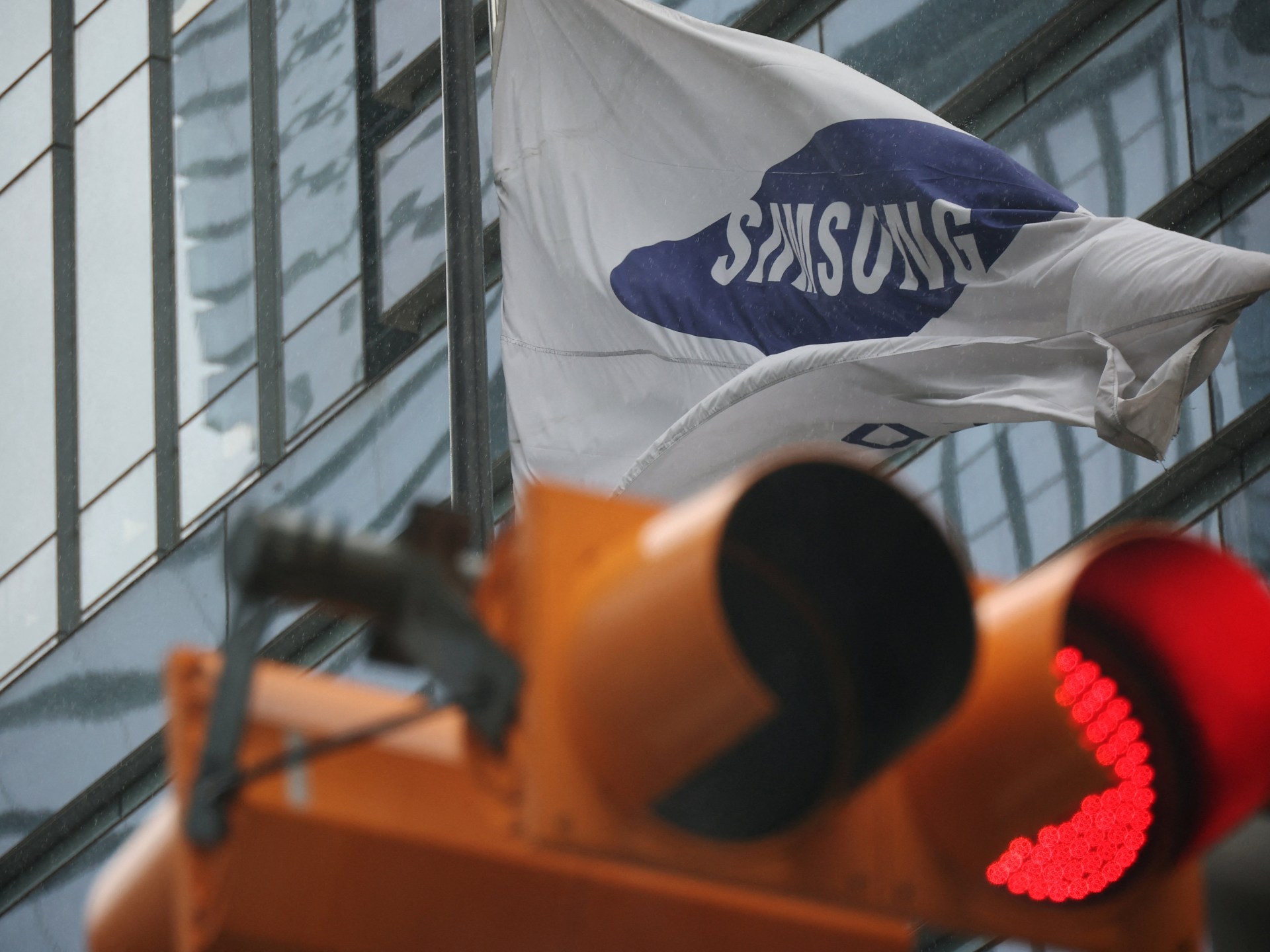
Samsung Electronics and its labour union agreed late Wednesday to suspend a planned 18‑day strike after negotiators reached a tentative wage-and-bonus arrangement. The pause came after another round of talks led by South Korea’s labour minister and followed hours of brinkmanship that had rattled markets and Seoul alike.
Shares leapt — Samsung rallied more than 6% on the news — as investors breathed easier about immediate disruptions to one of the world's most important chipmakers.
Why the stakes were so high
Nearly 48,000 union members had been preparing to walk out, representing roughly 38% of Samsung’s workforce and a large slice of its chip operations. Analysts and Seoul officials warned that a prolonged stoppage at Samsung’s memory fabs could ripple through global supply chains, push up chip prices and shave as much as 0.5 percentage points from South Korea’s GDP growth this year. Estimates of potential losses varied: the Bank of Korea flagged about 30 trillion won (roughly $20 billion), while government comments suggested even larger indirect risks if wafers in production needed to be scrapped.
The economics of the dispute are simple: Samsung’s chip business is massively profitable and central to the country’s export engine, so how bonuses are measured and distributed became a national-level political and economic issue.
Key terms in the tentative deal
Though negotiators called the agreement provisional, several concrete elements leaked through local reporting and union statements:
- The union will vote on the tentative contract from May 22–27.
- Samsung agreed to link bonus payouts more directly to operating profit and to remove a strict payout cap that had been a major sticking point.
- According to media reporting of union documents, the chip division would receive about 40% of the total bonus pool while other units get 60%.
- Reuters and Yonhap cited figures suggesting a special bonus equivalent to roughly 10.5% of operating profit for the chip unit, supplemented in part by company stock distributed over a decade and tied to aggressive profit targets.
Union leadership described the progress as significant but imperfect; management warned that accepting excessive demands would damage corporate governance. The labour minister stressed the gap between the sides had narrowed but that the deal remained provisional.
A tug between short-term pay and long-term incentives
A big flashpoint was the union’s earlier demand to set aside 15% of operating profit for bonuses — a target Samsung resisted. Instead, the compromise ties pay more directly to divisional profitability and even folds in conditional stock components for employees in the chip business. That structure attempts to align workers’ gains with long-term performance while limiting an immediate cash outflow that management feared could unbalance results for loss-making units.
What the government and courts did
The government stepped in repeatedly, warning of the national economic consequences and mediating multiple sessions. Separately, a court partially granted Samsung’s request to limit the strike’s impact, ordering that staffing levels in certain essential production units be maintained and barring occupation of company facilities if the walkout proceeded.
Why markets moved the way they did
Investor relief was aided by broader optimism in the semiconductor complex — Nvidia’s strong results earlier in the week had already lifted the sector — but the strike suspension removed a major tail risk for Samsung’s near-term production. That combination sent the stock higher and eased some supply‑chain jitters.
A small but telling context: Samsung the company
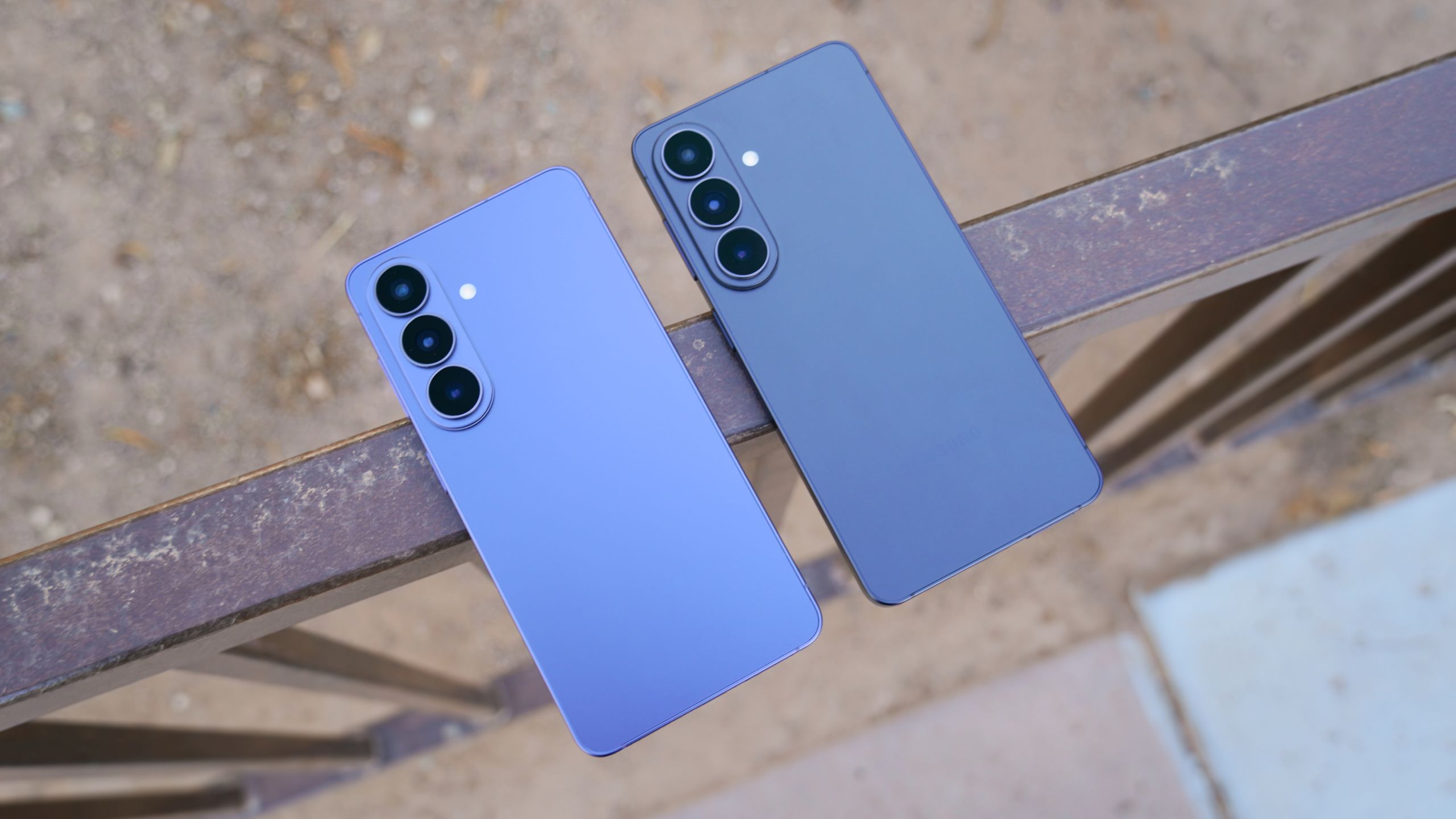
This fight over pay and bonuses plays out against a company that is not only a chip giant but also a consumer-tech household name. Samsung continues to push hardware and software updates even as it manages labor relations — from headline products like the Galaxy S26 family to ecosystem features that bridge devices. For readers tracking Samsung’s consumer business, the company’s product moves remain relevant to its broader corporate picture: recent device features and pricing choices shape revenue and, indirectly, what the company can afford to pay employees. See coverage of the Galaxy S26's privacy features and cross-platform sharing, and for context on product pricing pressures, note recent reporting on Samsung’s Galaxy S26 Ultra and its privacy display and how the company has been quietly hiking prices in Korea.
What’s next
The immediate pause depends on the union vote. If members ratify the pact, operations should continue without disruption and the market will likely remain calm. If the vote fails, the risk of a strike — and the attendant economic and supply-chain consequences — re-emerges.
Either way, the episode makes clear that labour relations at large tech manufacturers are now a strategic frontline: pay structures, bonus formulas and long-term incentive plans can sway not only worker morale but also investor confidence and national economic stability. Samsung’s next moves — in factories, in boardrooms and in product lines — will be watched closely.