Apple’s next Apple Watch software update looks less like a flashy redesign and more like a cleanup job with a few genuinely useful surprises tucked in.
watchOS 27 is set to bring two new apps to the wrist: a standalone Siri app and a rebuilt Find My app. That sounds modest on paper, but it hints at a bigger shift in how Apple wants the Watch to fit into its broader AI push — and how much it expects the device to do on its own.
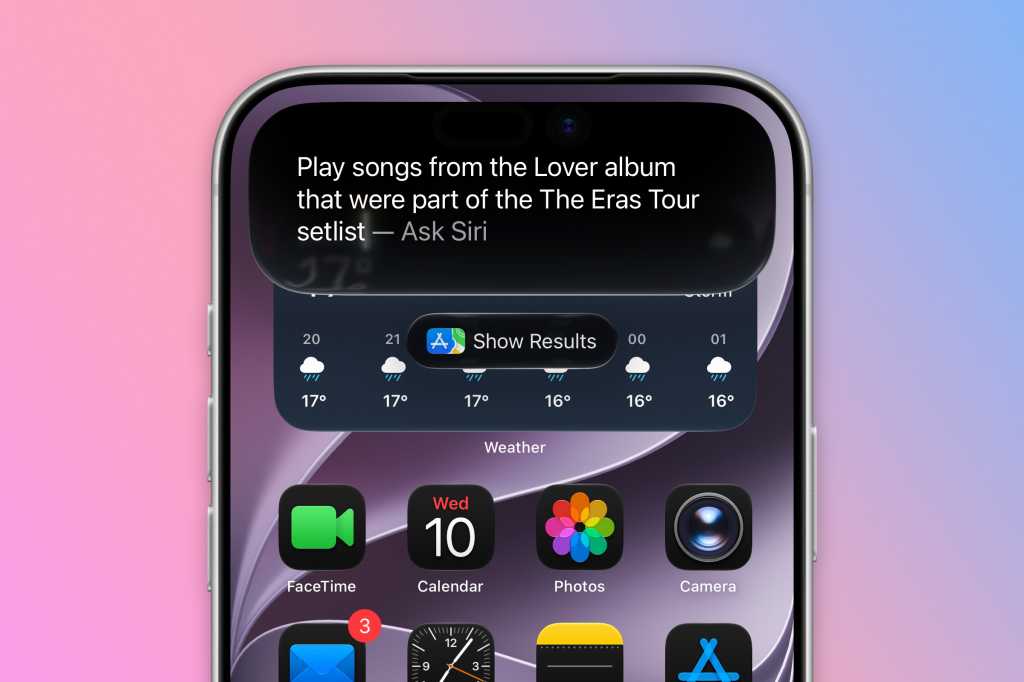
The Siri app is the more obvious headline. Apple is giving Siri a major overhaul across its platforms, and the Apple Watch will get its own app for starting conversations and revisiting old ones. You’ll still be able to summon Siri the old-fashioned way with the Digital Crown, but the new app gives you a place to browse past queries from your Watch, iPhone, iPad, Mac, and Apple Vision Pro. That cross-device memory is part of the pitch: Siri should feel more conversational, less like a one-off command box. It also fits neatly with Apple’s Siri redesign efforts in iOS 27, where the company is clearly trying to make the assistant feel more like a persistent companion than a button you press in a hurry.
The Find My change is less glamorous, but probably more practical. Instead of splitting location features into separate apps for devices, items, and people, Apple is collapsing everything into a single Find My app on watchOS 27. The interface is map-first and compact, with a menu in the top-left corner to switch between what you’re looking for. If you’ve ever fumbled around on a small screen trying to find the right Find My section, this is the kind of simplification that should make immediate sense.
A faster Watch, even if you never notice it
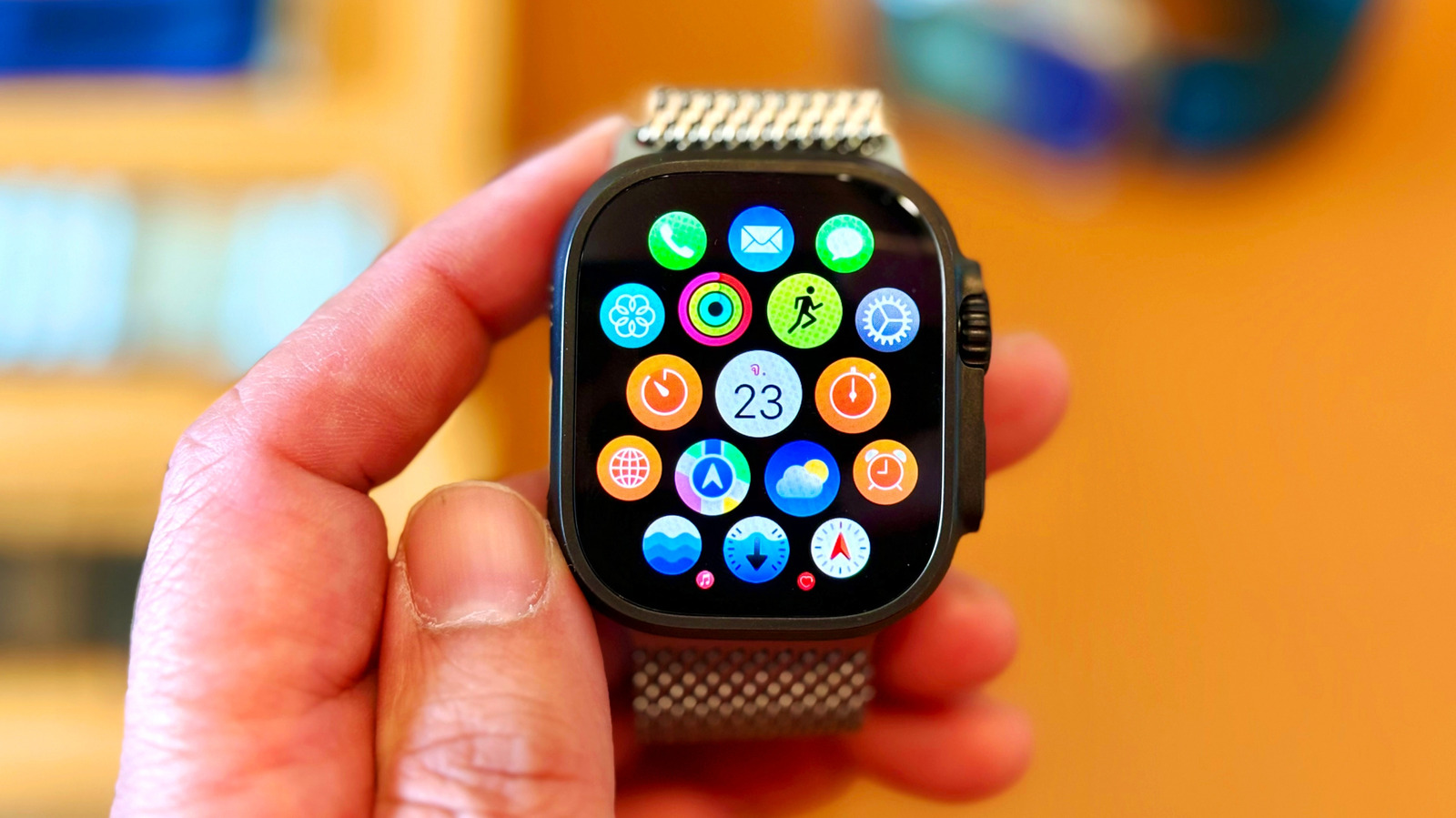
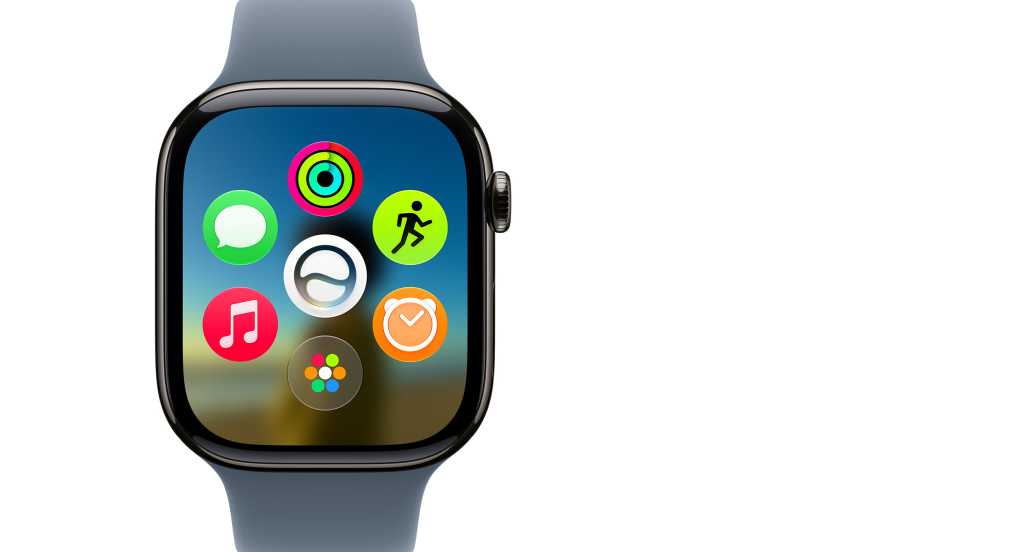
Apple is also leaning hard into under-the-hood improvements this year. watchOS 27 adds a dynamic app grid that surfaces five apps based on your current context and general usage, with Siri placed front and center. Press the Digital Crown and the grid appears right away, regardless of whether you normally use the icon grid or list view. If the app you need isn’t there, a turn of the crown drops you back into your preferred layout.
That’s the kind of change Apple likes to describe in efficient, almost invisible terms, and it matches the rest of the update’s focus. The company says watchOS 27 improves battery efficiency, Wi‑Fi connectivity, water detection, step tracking, media playback, and app extension launch speed. In other words: more polish, less waiting around.
It also sounds a lot like Apple’s broader software tune-up strategy this year, where practical refinements are sharing the stage with headline features. The company has taken a similar approach in updates like iOS 26’s quieter feature refreshes, mixing user-facing upgrades with small quality-of-life fixes that don’t always get the big keynote applause.
The catch: older watches are being left out
There’s a pretty sharp trade-off here. watchOS 27 requires fairly recent hardware, and Apple is cutting support for a long list of older models. The update will work on Apple Watch SE 3, Series 9, Series 10, Series 11, and Apple Watch Ultra 2 and Ultra 3. That means Series 6, Series 7, Series 8, the original Ultra, and SE 2 are out.
That’s not a gentle nudge toward upgrading. It’s a hard line.
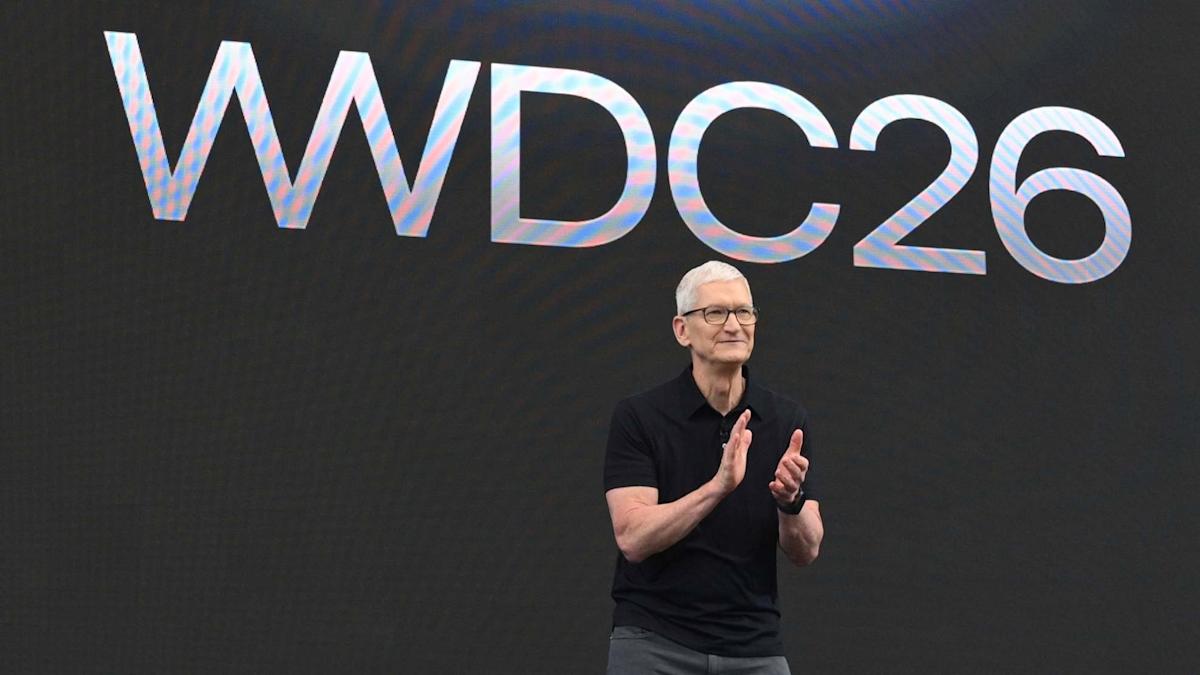
And it’s especially noticeable because Apple spent much of WWDC talking about AI, context, and on-device intelligence — the same kind of positioning that has already affected the rest of the lineup. The Apple Watch, with its limited RAM and comparatively modest processing headroom, simply isn’t built for the same kind of local AI Apple wants on iPhone and Mac. That tension is part of why the Watch showed up only briefly during the keynote, even as Siri got top billing.
For users on supported models, watchOS 27 should feel like a smarter, tidier version of the Watch. For everyone else, it may be the update that finally makes the hardware cutoff impossible to ignore. Apple says the software will arrive this fall, alongside the rest of its new platform releases.