Apple spent years promising a smarter Siri. This week, it finally showed one off — and the surprise is not just that it works better, but that part of the heavy lifting now comes from Google.
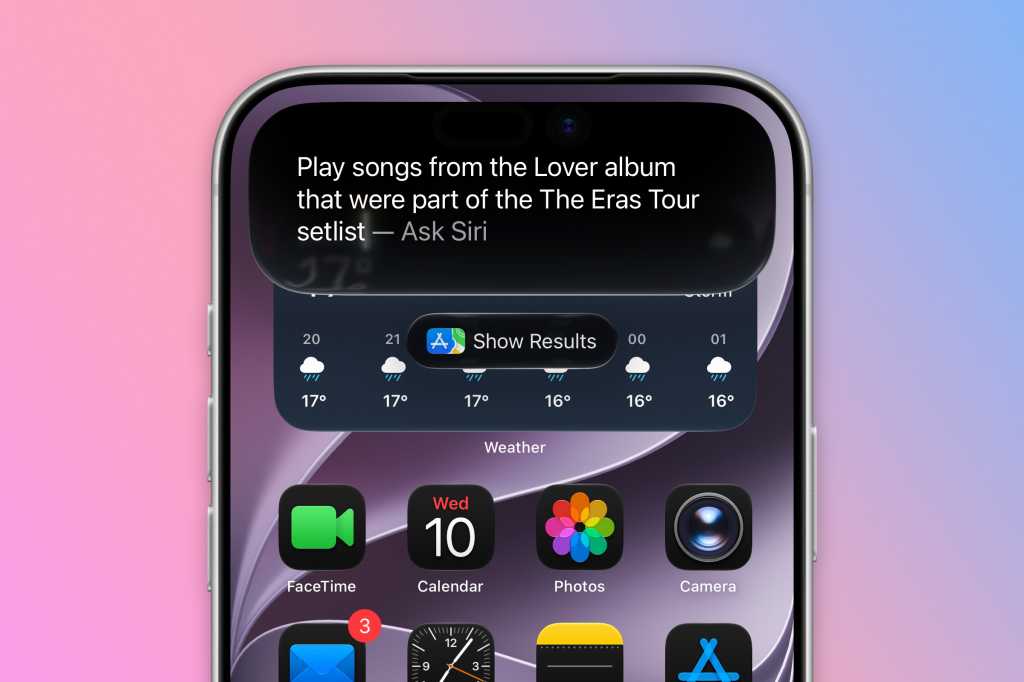
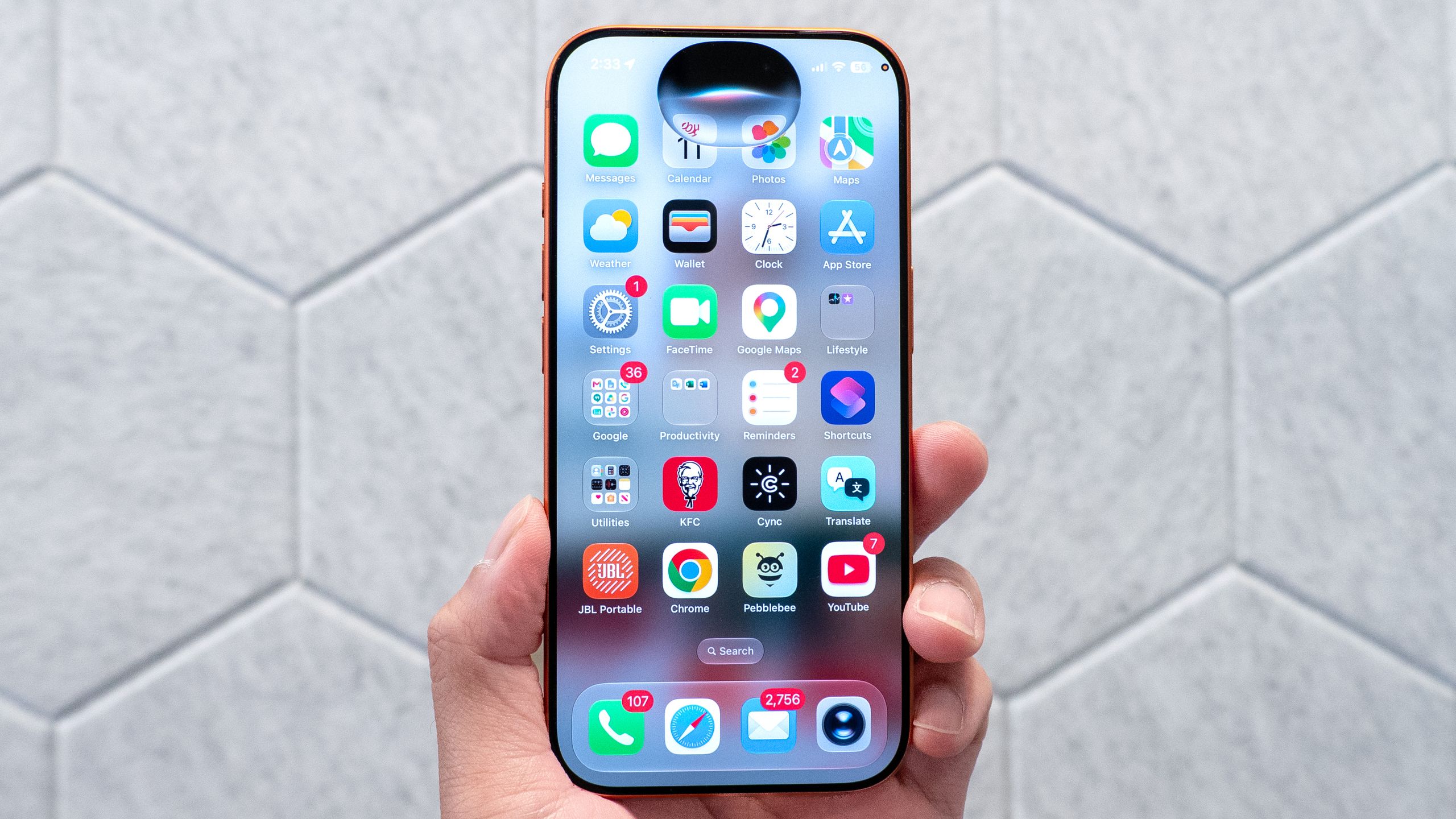
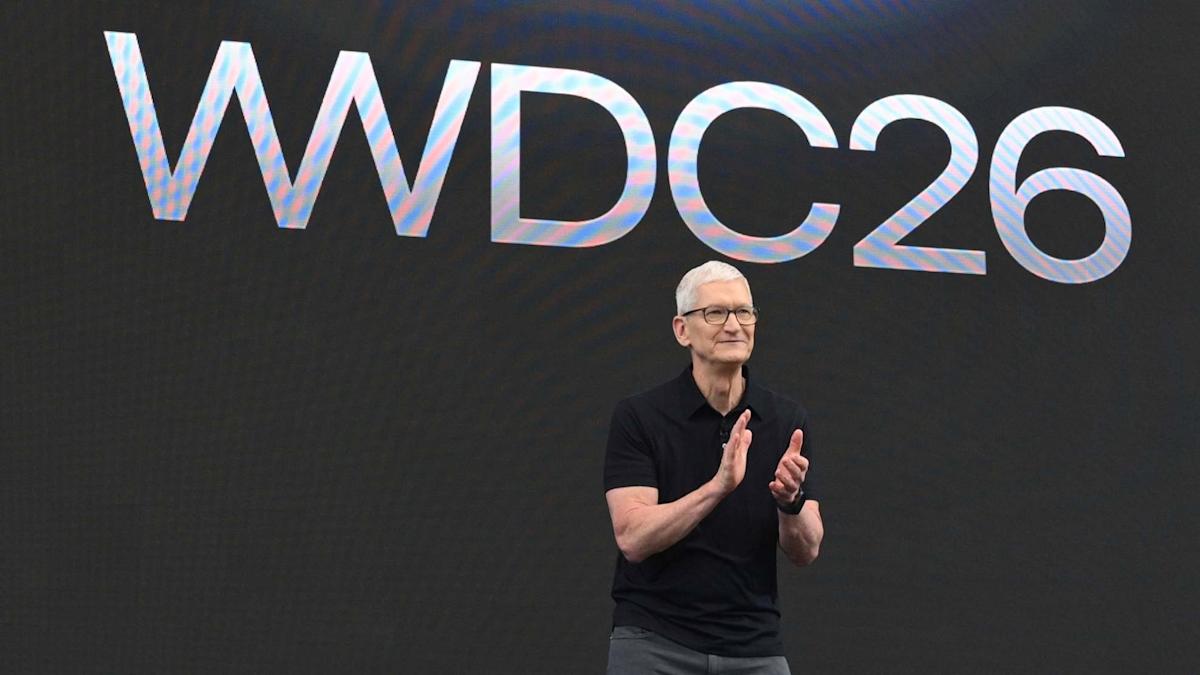
At WWDC 2026, Apple unveiled a rebuilt Siri AI that can understand what’s happening across your apps, pull in context from messages or notes, and act more like a genuine assistant than the old voice command system most iPhone users have learned to tolerate. Ask it about a podcast your sister texted you, and it should be able to find the answer without making you hunt through Messages, Podcasts, or Safari first. It can also answer by voice, text, or inside a floating interface, which makes it feel closer to an assistant woven into the device rather than a chatbot bolted on top.
The catch — or maybe the price of getting here faster — is that Apple’s most demanding AI work is no longer living entirely inside Apple’s walls.
According to Apple’s own Private Cloud Compute update, the company is extending its cloud privacy system to Google Cloud for some of its newest Apple Intelligence workloads. In practical terms, that means Apple’s third-generation foundation models now span a mix of on-device AI, Apple-hosted cloud AI, and one especially powerful server-side model that runs on NVIDIA GPUs hosted in Google Cloud. Apple says the setup still follows its PCC privacy rules, including stateless processing, no privileged runtime access, and verifiable transparency.
That’s a striking shift for a company that has long treated control as part of the product.
Apple says its new model family includes AFM 3 Core and AFM 3 Core Advanced for on-device use, plus AFM 3 Cloud, ADM 3 Cloud (Image), and AFM 3 Cloud Pro for server-side tasks. The standout here is AFM 3 Core Advanced, a 20-billion-parameter on-device model that Apple says uses a sparse architecture to activate only a slice of its parameters at a time. It’s a clever way to squeeze more capability onto devices without forcing everything into the cloud. The other headline model, AFM 3 Cloud Pro, handles the most complex work — things like agentic tool use and deeper reasoning — and is the one running on Google Cloud infrastructure.
Apple insists the experience is still recognizably Apple. Craig Federighi said the company is not simply using Google’s consumer Gemini stack, nor Google Search, to power Siri. Instead, Apple says it trained its own models on proprietary and licensed data, then refined them using outputs from Google’s Gemini Frontier models. That distinction matters, because Apple wants the benefits of Google’s progress without handing over the whole assistant experience.
In other words: Google is helping build the engine, but Apple still wants to own the dashboard.
That approach also lines up with where Apple seems to be taking Siri as a product. The company’s renewed assistant is less about generating clever answers for their own sake and more about doing useful things inside the phone you already own. It can compare information across apps, pull up older messages, and cross-reference notes or email. That kind of personal context has always been Apple’s best argument for why Siri should exist at all. If it works consistently, it could make the assistant feel like a feature that finally understands the iPhone as a place where your life lives.
The privacy story is more complicated, but Apple is leaning hard into the idea that PCC can travel. The company says the Google Cloud version uses NVIDIA Confidential Computing, Intel CPUs with TDX, Google’s Titan chip, and a layered security model that includes hardware ledgers, software attestation, short-lived inference services, and separate confidential VMs for attested keys. It’s a dense, engineer-heavy answer to a simple user question: can Apple still promise privacy if its AI runs on someone else’s machines?
Apple clearly wants the answer to be yes.
That’s also why the timing feels important. The company has spent the last two years getting knocked for delayed AI ambitions, while rivals turned chatbots into everyday habits. Some of that pressure has been visible across the platform, including the sense that Apple’s AI features have arrived unevenly across devices, as older iPhones miss out on some AI tools and the company keeps threading new capabilities through the latest hardware and software releases. Siri AI is Apple’s chance to turn those scattered features into something that feels coherent.
It’s also a reminder that Apple’s AI play is not just about raw model size. The assistant only becomes genuinely useful if app makers buy in, expose the right actions, and let Siri reach across services without turning into a privacy nightmare. That’s where Apple may have an edge over the big chatbot products. ChatGPT, Claude, and Gemini are powerful, but they don’t live inside your calendar, your texts, your notes, and your shortcuts in quite the same way. Apple is betting that people don’t necessarily want the smartest assistant in the world. They want the one that already knows where everything is.
If that sounds a lot like Apple trying to build a personal AI layer on top of its ecosystem, that’s because it is. The company’s broader software strategy is starting to look less like a single leap and more like a series of tightly linked moves: smarter on-device models, more capable cloud processing, and a Siri overhaul that finally treats the assistant as a central interface rather than a voice shortcut with a nice icon. Federico Viticci’s reflections from WWDC capture that mood well in WWDC 2026: Between Seasons, where the new Siri is framed less as a chatbot and more as a shape-shifting layer across the device.
Apple’s problem now is execution. The demo looked promising. The architecture is ambitious. The privacy pitch is unusually detailed. But Siri has a long history of turning big promises into little disappointments, and users have every reason to be cautious. The real test will be whether this new assistant can stay fast, feel dependable, and avoid the weird dead ends that have haunted Siri for years.
Still, this version feels different. Not because it’s perfect, but because Apple finally seems to have accepted that making Siri better required borrowing more than just a little inspiration. It needed stronger models, a more serious cloud story, and a willingness to let Google play a behind-the-scenes role while Apple keeps the face of the product.
That’s a delicate arrangement. It might also be the only one that gets Siri where Apple always said it should have been.