For years, Siri’s biggest problem wasn’t that it was dumb. It was that it felt stuck. Good enough for timers and weather, awkward for anything more ambitious, and increasingly outclassed by assistants that could actually understand a messy, real-world request.
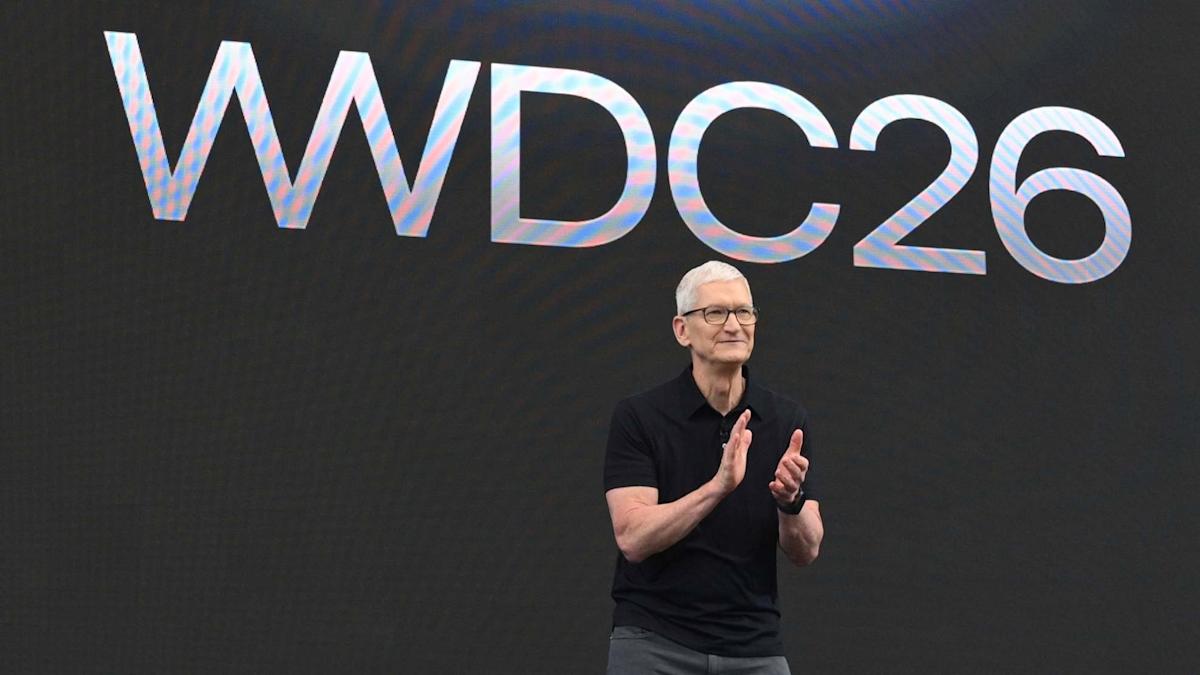
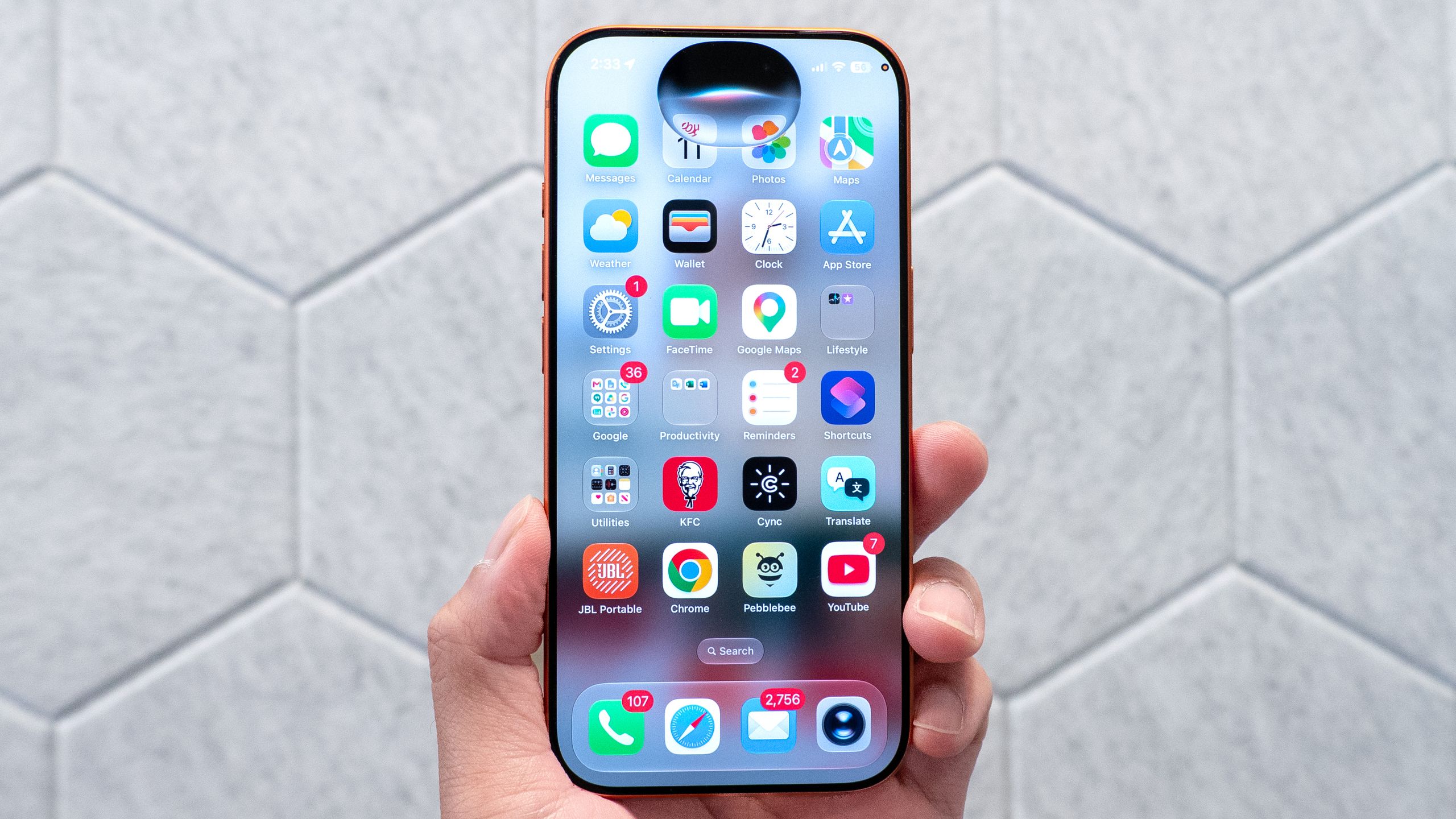
Apple is trying to change that with Siri AI, the centerpiece of its new Apple Intelligence push in iOS 27, macOS 27, iPadOS 27, watchOS 27 and visionOS 27. The company says the assistant is now more personal, more conversational and far better at doing something useful with the information already sitting inside your phone. That means messages, photos, emails, calendar entries and app actions are all in play.
The shift is bigger than a voice assistant refresh. Apple is weaving AI directly into the operating system, from Photos and Safari to Passwords, Mail, Messages and Shortcuts. The company’s pitch is simple: don’t make people chase AI in a separate app. Put it where they already live.
That strategy shows up almost everywhere in the new release. Photos can now do more convincing edits, including smarter cleanup and framing tools that let users expand images, straighten horizons and remove distractions with better-looking fill. Safari gets a quieter kind of intelligence, too, automatically sorting tabs into topics and monitoring pages for changes like restocks or price drops. Passwords can even help upgrade weak logins on a user’s behalf.
But the headline feature is Siri. Apple says the assistant can search across personal data, answer questions about virtually any topic and take actions inside apps. In practice, that could mean asking where a friend mentioned their new apartment, finding a confirmation code buried in Mail, or telling Siri to build a shortcut without forcing you to stitch the workflow together yourself. Apple is also giving Siri its own dedicated app, along with writing tools and Visual Intelligence features across platforms.
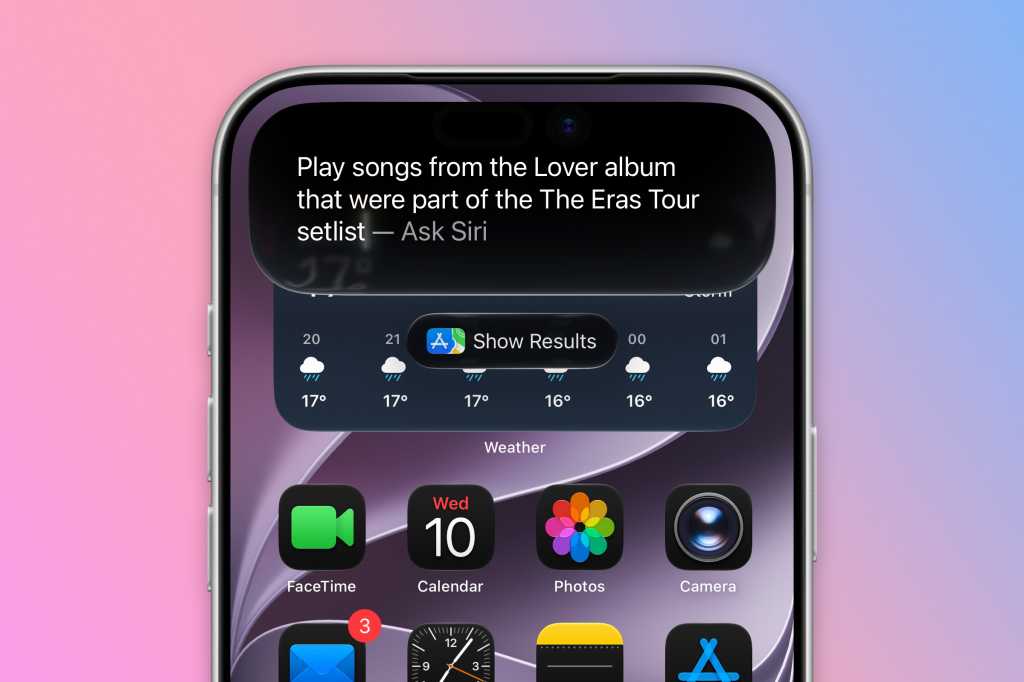
Early hands-on reports suggest the new system is already better at the stuff people actually do. In one case, Siri reportedly handled a complicated Apple Music request tied to Taylor Swift’s Eras Tour, assembling a playlist that old Siri would never have understood. That kind of command may sound niche, but it’s the sort of thing that exposes whether an assistant can reason or merely match keywords.
There’s another reason Apple is leaning so hard into this moment: it needs to prove the AI story can drive the business. Investors have been waiting for a convincing answer to the question of whether Apple Intelligence will push upgrades, subscriptions or both. CNN’s analysis of Apple’s Siri reboot noted that Wall Street is still skeptical about monetization, even if the new assistant helps keep users locked into the ecosystem. That matters because Apple’s AI features won’t be available on every iPhone in circulation, and some of the more advanced functions will be limited to newer hardware.
Apple is also framing privacy as a selling point, not a footnote. Its new foundation models run on device and through Private Cloud Compute, which the company says keeps personal data from being stored or exposed to Apple. It’s the same old Apple message, but now aimed at a market where cloud AI has become the default assumption. Whether that privacy-first approach is enough to offset competitors with faster-moving chatbots is another question.
The broader Apple Intelligence package is meant to show that Siri isn’t being rebuilt in isolation. Messages can suggest replies and actions based on context. Mail can surface smarter suggestions. Calendar can create events from plain-language prompts. Home can summarize related notifications and describe camera clips. Accessibility tools are getting more expressive, too, with richer image descriptions, better voice control and more capable reading support.
Still, Siri is the piece people will notice first — and probably judge hardest. Apple has spent years promising a more capable assistant, only to ship incremental tweaks that never quite added up to a true leap. This time the company is betting that deeper personal context, better language understanding and actual app control will be enough to make Siri feel like a different product rather than a new coat of paint.
The stakes are obvious in a year when rivals keep using AI as a reason to switch platforms. Apple’s answer is not a chatbot that lives on the side of the system. It’s a helper that knows your phone, understands your habits and quietly handles the small tasks that pile up every day. That may not sound flashy, but for Apple it could be the most important kind of intelligence: the kind people end up relying on without thinking about it.