Apple hasn’t said a word about the iPhone 18 Pro yet, but the calendar is already starting to speak for it.
WWDC 2026 gave the first real clue that Apple’s next flagship cycle is moving on schedule. iOS 27 arrived in developer beta the same day as the keynote, with a public beta due in July, mirroring last year’s rollout. That matters because Apple’s software rhythm usually lines up neatly with its hardware launches. If the pattern holds, the company will likely unveil the iPhone 18 Pro and iPhone 18 Pro Max in early September, with Wednesday, Sept. 9 emerging as the cleanest bet. A Friday, Sept. 18 on-sale date would then fit Apple’s usual release playbook.
The standard iPhone 18 may not be part of that initial wave. Several reports suggest Apple could split the launch schedule this year, keeping the Pro models on the traditional fall timetable while pushing the regular iPhone 18 into early 2027. That would be a notable shift, and it would leave the premium models to carry the spotlight — along with Apple’s first foldable, which has also been tied to the same event window in some reports. Apple’s foldable iPhone has been getting the kind of attention usually reserved for a new product category, not a side dish at a Pro launch.
The upgrades sound familiar at first — until you look closer
On paper, the iPhone 18 Pro sounds like a refinement year. In reality, the hardware rumors point to something much more ambitious.
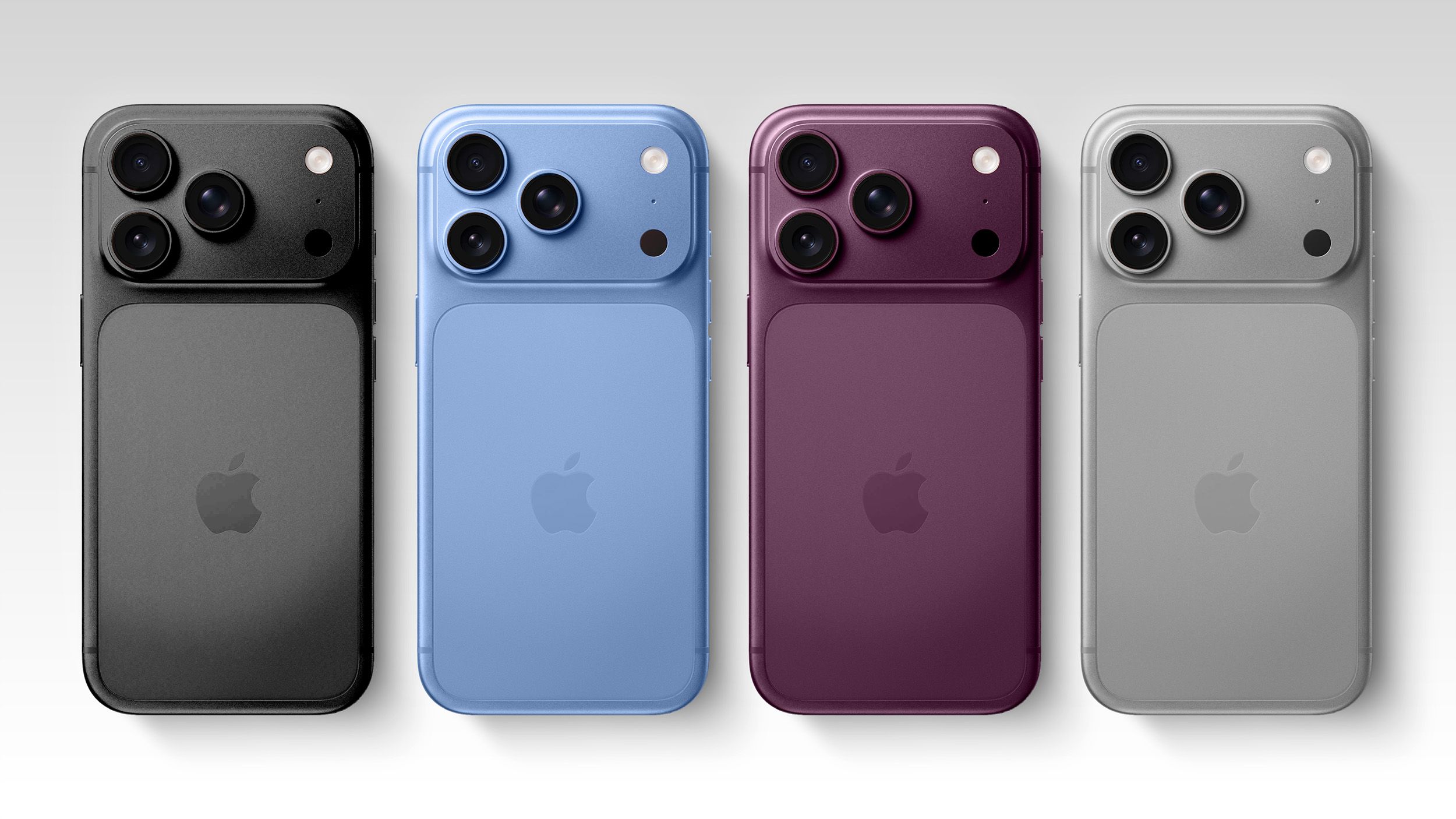
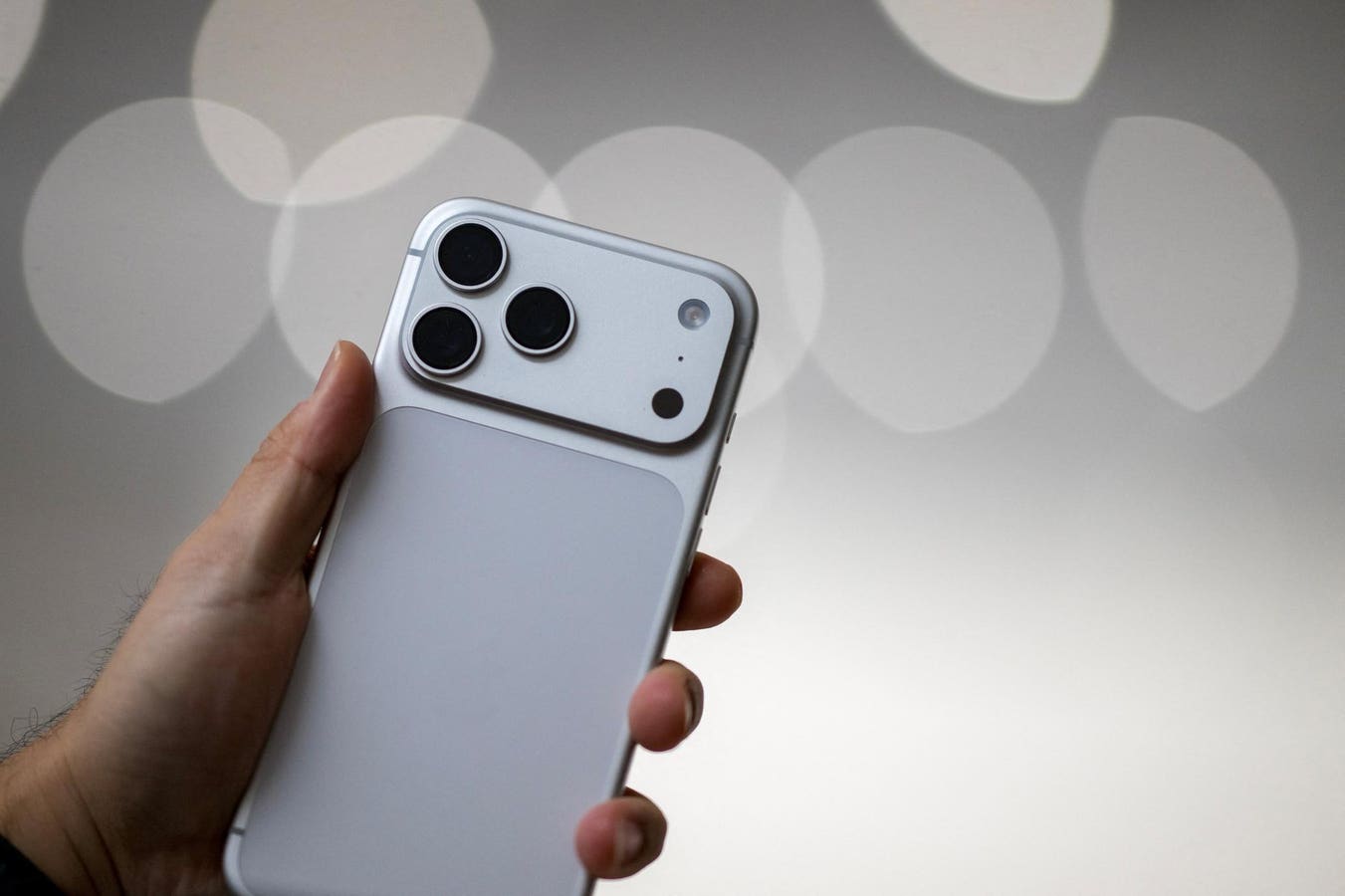
The design is expected to stay recognizably Pro, but with a smaller Dynamic Island, a cleaner front face, and a more unified rear finish. Some leaks suggest Apple could finally shrink the Dynamic Island by moving part of Face ID beneath the display, though a fully under-panel Face ID system still doesn’t seem likely. The display itself is rumored to remain a 6.3-inch OLED panel with 120Hz ProMotion, but the slimmer cutout would give the phone a fresher look without forcing a full redesign.
Color is another place where Apple may try to make a statement. Multiple reports now point to a dark cherry finish — a deep red that sits somewhere between burgundy and coffee — as the standout option for the iPhone 18 Pro lineup. That fits with earlier chatter that Apple may skip black entirely on the Pro model this year, a move that would be very Apple in the sense that it would annoy some people and delight others. Our own iPhone 18 Pro color coverage has tracked that rumor closely.
The back design may also look slightly less two-tone than before, with the glass and aluminum blending more seamlessly. Small change? Sure. But it’s exactly the kind of polish Apple tends to obsess over.
Camera is where the real noise is building
If there’s one part of the iPhone 18 Pro story that could push people to upgrade, it’s the camera.
Mark Gurman has said Apple is working on some of the biggest camera hardware changes in the iPhone lineup’s history, and the rumors behind that claim are getting increasingly specific. The main camera may adopt a variable aperture system, which would let the lens physically adjust how much light it takes in. That’s a big deal for low-light shots, portraits and depth control. Apple’s telephoto lens is also expected to get a wider aperture, which should help in darker scenes and improve zoom performance overall.
There’s even talk of a redesigned Camera Control button, suggesting Apple may be rethinking not just the optics but the way people interact with the camera in daily use. For a company that usually moves carefully here, that’s a meaningful signal. The iPhone camera system has become good enough that incremental tweaks don’t generate much excitement anymore. Variable aperture would be different. It would give Apple a new talking point — and a genuinely useful one.
That broader camera-first direction is also why the iPhone 18 Pro has started to feel like more than just another annual refresh. Even if Apple keeps the body familiar, this may be the year the camera hardware starts to justify the Pro label in a way users can actually feel. 9to5Mac’s rundown of the rumored iPhone 18 Pro features lands on the same conclusion: the camera is probably the headline.
A20 Pro, 2nm, and the battery story Apple loves to tell
The other big upgrade is under the hood. The iPhone 18 Pro is widely expected to ship with the A20 Pro chip built on TSMC’s 2nm process, which should improve both speed and efficiency. In plain English: faster phone, less power waste, better battery life.
That battery story is being reinforced from a few angles. Leaks point to a physically larger battery, at least in the Pro Max model, while Apple’s own silicon and next-gen modem work should squeeze out more endurance day to day. The move away from Qualcomm’s modem toward Apple’s C2 modem — if it lands as expected — would add another layer of efficiency. Put all that together and the iPhone 18 Pro could end up with the best battery life Apple has ever shipped in an iPhone Pro.
That’s not a flashy headline, but it matters. A lot. Users will forgive many things before they forgive a phone that taps out early.
Pricing may hold steady, but the total cost could still creep up
For now, the base price looks familiar. Analysts and supply-chain watchers generally expect Apple to keep the iPhone 18 Pro starting around the same territory as recent models, roughly $999 to $1,099 in the U.S. and about ₹1,40,000 to ₹1,50,000 in India. The Pro Max would naturally sit higher.
Still, there’s a catch. As Yahoo News UK noted in its Apple Loop coverage, the sticker price may not tell the whole story if Apple leans harder into paid AI services and bundles them into Apple One or a similar subscription structure. In other words, the phone itself might not jump much in price, but the ecosystem around it could get more expensive to fully use.
That would fit the broader Apple Intelligence strategy. Apple spent WWDC 2026 showing off the software direction, but the real long-term pitch may be less about free built-in smarts and more about a tightly wrapped services layer that keeps users inside Apple’s walls. If you’ve been following the company’s AI reset, the next phase is starting to look a lot more transactional.
The iPhone 18 Pro may also arrive in a year where Apple’s lineup feels a little more segmented than usual. That makes the Pro models even more important, especially if the foldable is introduced alongside them and the standard iPhone 18 is held back for later. It’s the kind of lineup shuffle that can make one phone feel like the “real” launch, even before the keynote starts.
For all the speculation, one thing is unusually clear: Apple isn’t being shy about where the iPhone 18 Pro story is heading. Smarter cameras, a faster chip, better battery life, a smaller cutout, and a bolder color palette. Not a revolution, exactly — but enough of a shift that people staring at an iPhone 17 Pro may start doing the math a little early.