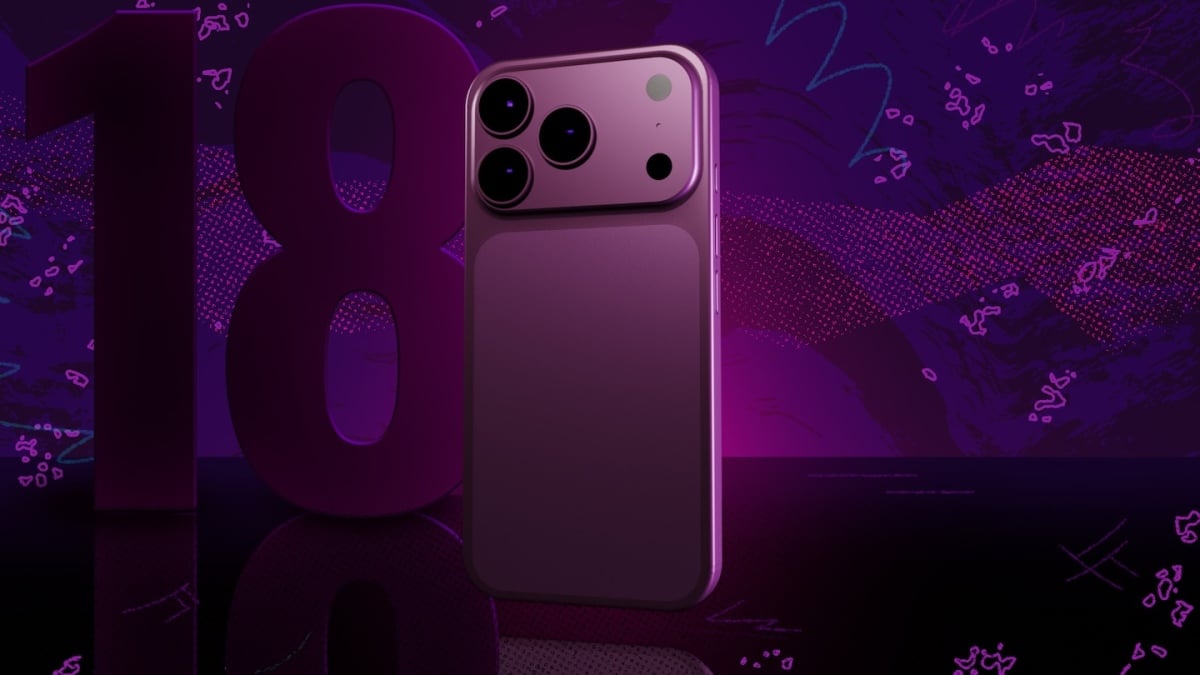
Apple’s iPhone story is about to get a lot less predictable.
A new round of reports, led by Bloomberg’s Mark Gurman, paints a road map that stretches from next week’s Apple event all the way into 2028 — and it’s unusually packed. The company is still expected to keep its familiar Pro-and-regular-phone rhythm in place, but the next few years may also bring its first foldable iPhone, a second foldable follow-up, and a major redesign for the iPhone Pro line that Apple apparently sees as its biggest since the iPhone X.
That alone would be enough to stir up the usual rumor mill. But the details make this feel more serious than the average leak cycle. Apple appears to be reshuffling its launch calendar, pushing the base iPhone 18 into spring, while reserving the September spotlight for premium models and the foldable. If that sounds like a big change, that’s because it is.
The September event: Pro phones first, foldable second
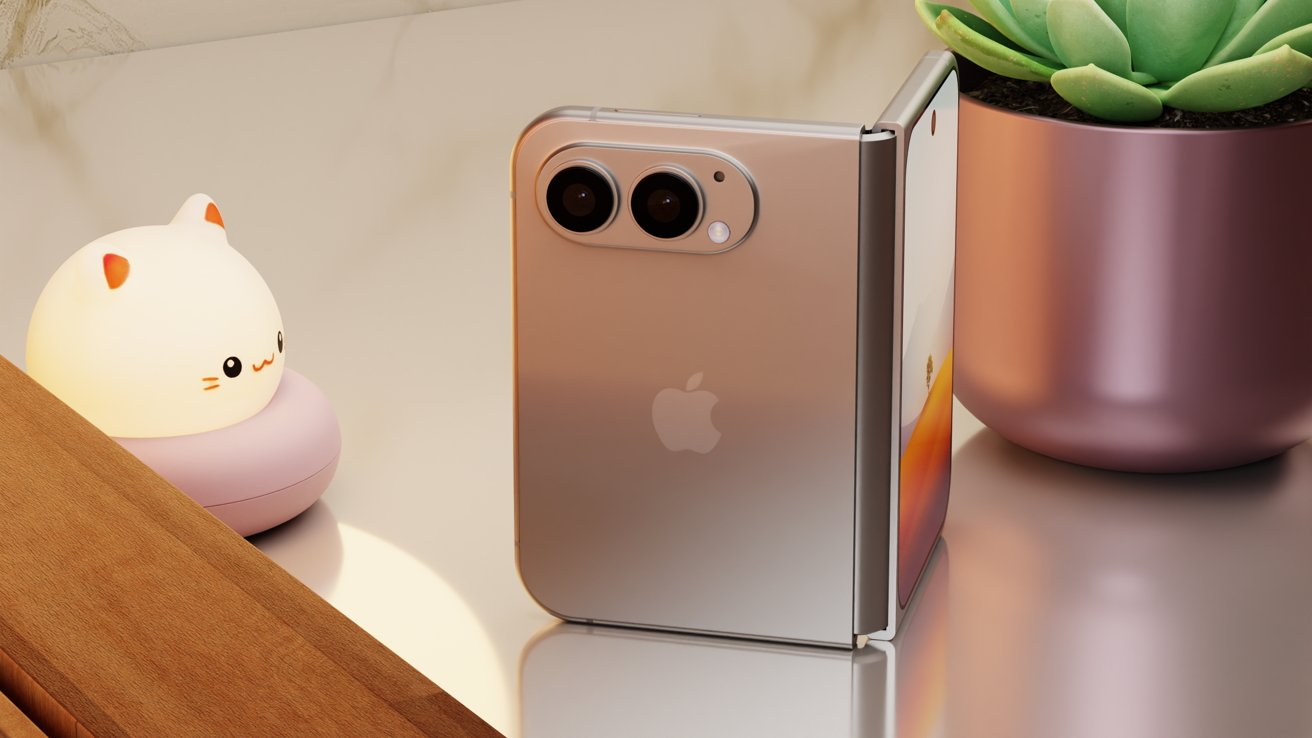
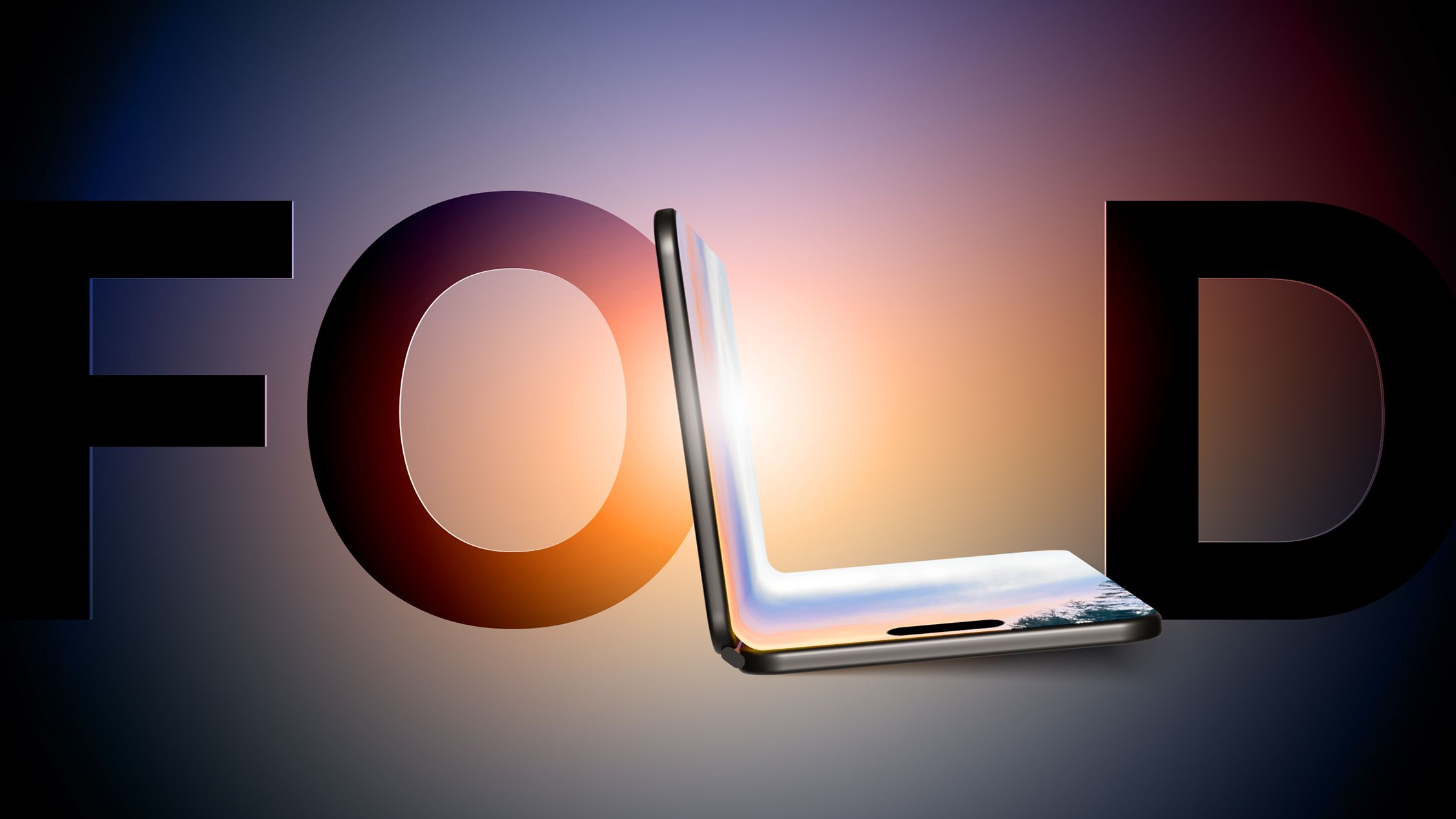
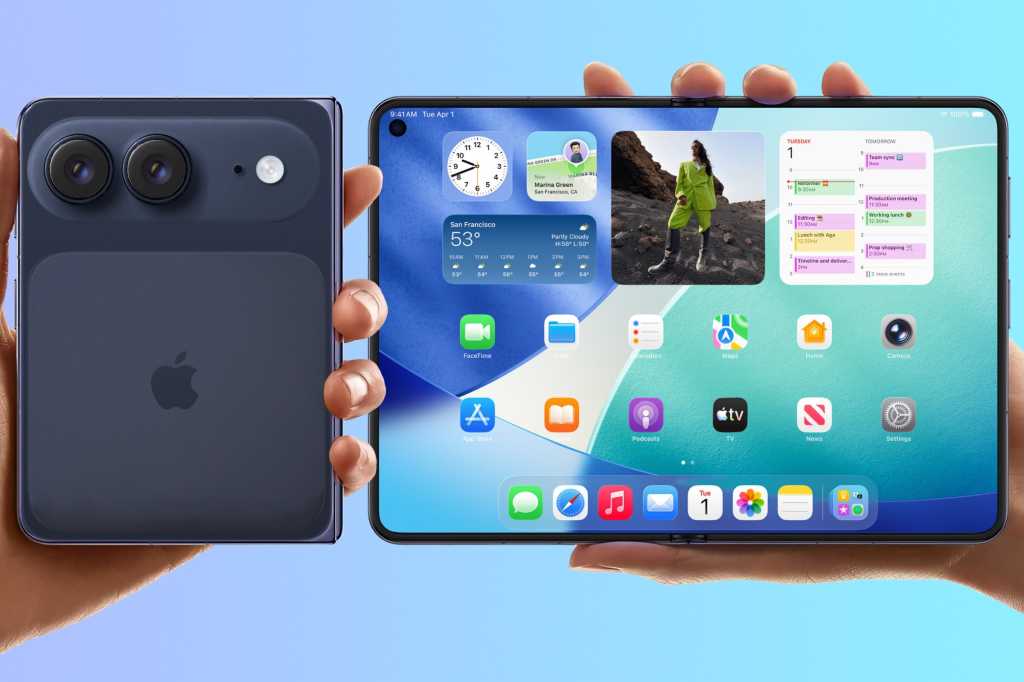
Apple’s Sept. 9 keynote is expected to center on the iPhone 18 Pro and iPhone 18 Pro Max, along with the company’s first foldable, which several reports now call the iPhone Ultra. The foldable is said to be a passport-sized device when closed, with Touch ID, a new hinge, and a price tag north of $2,000. In other words: not a casual impulse buy.
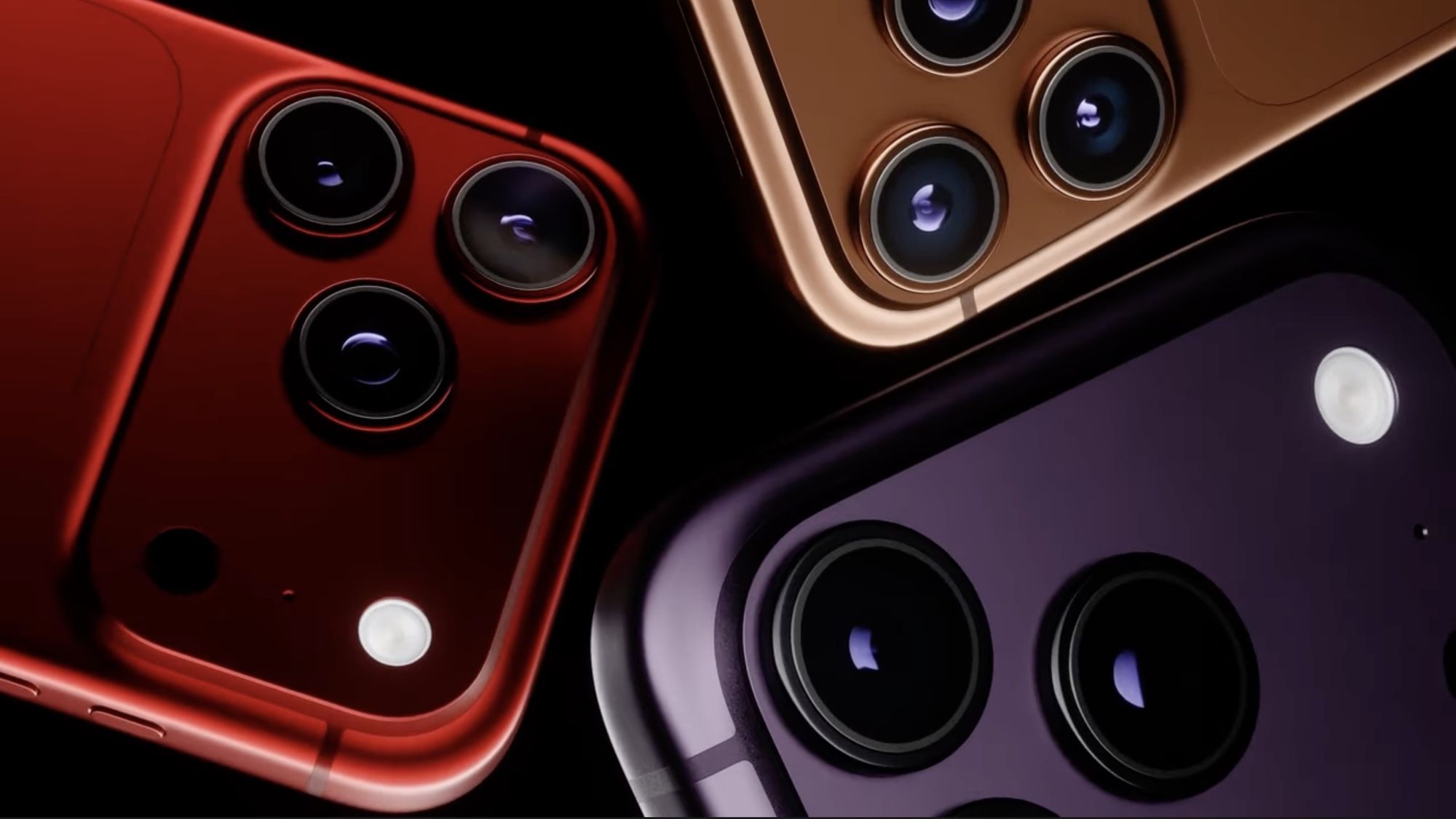
The Pro phones sound more familiar, but still noticeably upgraded. Expect a variable-aperture camera system on at least the Pro Max, Apple’s new A20 Pro chip, a C2 modem, and new color options that seem to include dark red and light blue. iPhone 18 Pro rumors about variable aperture and the A20 chip have been circling for months, but the latest reports make them look increasingly concrete.
The timing is just as interesting as the hardware. Apple is reportedly pushing the standard iPhone 18 into 2027, leaving the fall event for higher-end models and a bold foldable debut. If that sounds a little familiar, it’s because Apple has already been drifting toward a more segmented iPhone lineup, and next week may be the clearest sign yet that the old “one September launch fits all” era is fading.
A spring iPhone 18, and a thinner Air with room to grow
The base iPhone 18 may not appear until early 2027, possibly alongside the iPhone 18e and a refreshed iPhone Air. That delay would give Apple more breathing room for its premium launches while letting it rework the cheaper end of the lineup on a different schedule.
The iPhone Air 2, meanwhile, is rumored to get the kind of upgrades that actually matter in daily use: an Ultra Wide camera, a faster chip, and better battery life. That may not sound flashy, but it’s the sort of practical refinement that can make a thin phone feel much less compromised. Apple seems to be treating the Air line as a place to experiment with form without forcing users to give up the basics.
That strategy also fits the broader rumor landscape. Apple’s quieter iPhone year has looked more incremental on the mainstream side, with the real drama reserved for the foldable and the Pro models. If Apple does keep the base iPhone out of the fall lineup, it will be the clearest sign yet that its product tiers are being separated by more than just price.
2027 may be the real turning point
Apple’s 20th-anniversary iPhone Pro models are where the roadmap gets genuinely ambitious. Gurman says the design will feature curved glass around all corners and edges, with thinner bezels, and calls it the biggest overhaul to the Pro line since the iPhone X. That’s a loaded comparison. The iPhone X didn’t just change the look of the phone — it reset Apple’s idea of what an iPhone could be.
The company is also reportedly preparing a second-generation foldable for 2027. Details are sparse, but the device is already said to be deep in testing and to use a new chip. Then in 2028, Apple may stretch the foldable concept further with a larger version that has a slightly bigger display inside and out.
That progression matters. It suggests Apple doesn’t see the foldable as a one-off prestige product. Instead, it looks like the company is planning a multi-generation platform, with the kind of incremental display growth that usually signals confidence. Consumers keep showing they want bigger screens, and Apple appears ready to meet them there rather than fight the trend.
The foldable roadmap also lines up with the broader industry pressure to get more serious about this category. Samsung has had a long head start, and Apple’s foldable iPhone rumors have gone from “someday” speculation to something much closer to a real launch cycle.
The price question hangs over everything
Of course, all of this comes with the part nobody enjoys: the bill.
A first-gen foldable iPhone above $2,000 is already a bold ask, but the Pro models may not be cheap either. Multiple reports point to price increases driven by component costs, especially memory. If that holds, Apple could be asking customers to pay more for the privilege of getting less conventional design, more advanced cameras, and a bit more AI-ready silicon.
That puts buyers in a strange spot. The Pro line may offer the safest path to new hardware this year, but the sharper redesigns are still a year or more away. The foldable will be the novelty play, yet it sounds like it may arrive with compromises that make it feel like a luxury experiment rather than a must-have device. And if you’re keeping score, that means a lot of people may decide to sit out the upgrade cycle altogether.
That’s a very Apple kind of problem: a roadmap full of ambition, but a lot of reasons to wait.
Apple’s next three years, in plain English
Here’s the shape of the story as it stands now:
- 2026: iPhone 18 Pro and Pro Max, plus the first foldable iPhone Ultra
- 2027: base iPhone 18, iPhone 18e, iPhone Air 2, and the 20th-anniversary Pro redesign
- 2028: a larger second-generation foldable
It’s an unusually clear sign that Apple is no longer thinking about iPhone as one annual product launch. It’s building a more layered lineup, with different phones aimed at different rhythms, different budgets, and, increasingly, different kinds of users.
That may be the most important part of the leak: not the hinge, not the color options, not even the price tag. It’s the sense that Apple is finally preparing the iPhone for a future that looks a lot less like the past.