Apple’s first iOS 27 developer beta is behaving like it’s several rounds deeper into testing than it should be.
That may sound like a small detail, but it’s actually a pretty loud signal. Early developer betas are usually a mess: apps crash, animations stutter, random features misfire and everyone repeats the same warning about not installing them on a daily driver. This time, though, the complaints are surprisingly muted. The beta feels stable enough that even people using it on real devices are coming away impressed rather than exasperated.
That’s been the experience for Ben Lovejoy at 9to5Mac, who said he hasn’t run into app crashes or serious oddities on either iOS 27 or macOS 27. Others are still seeing bugs, of course — one commenter noted kernel panics on a MacBook Pro during sleep — but the overall picture is still unusual for a first release. Apple’s own software history makes that stand out. First betas are often where the rough edges start, not where they disappear.
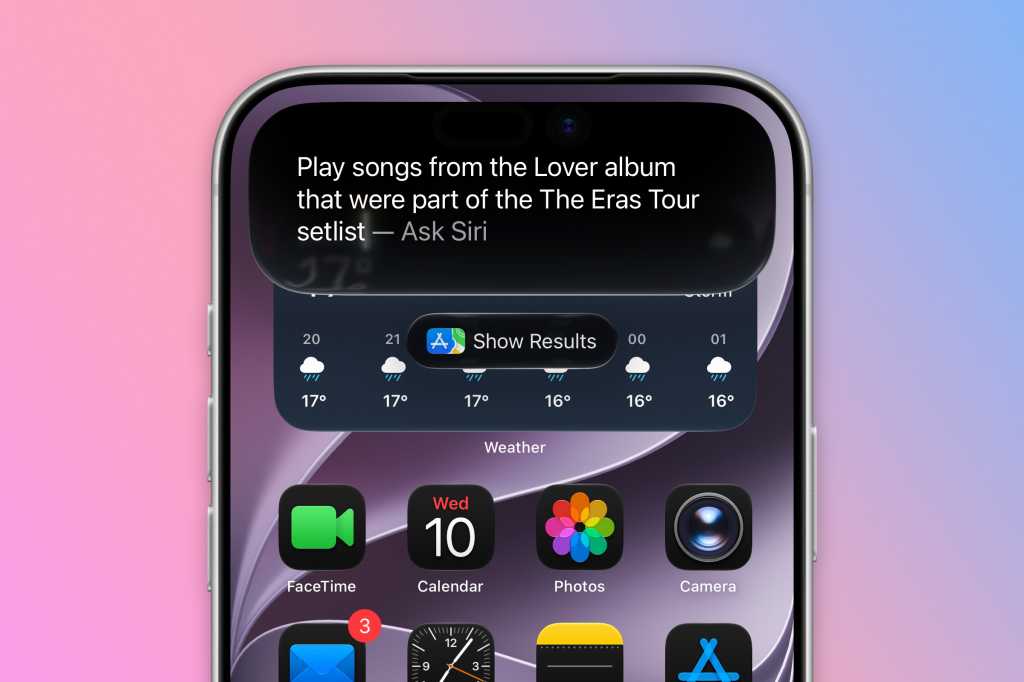
The stability also fits the shape of Apple’s actual announcements at WWDC 2026. Alongside the new Siri overhaul, Apple devoted a lot of airtime to under-the-hood changes: faster app launches, quicker AirDrop transfers, snappier photo loading, smarter network switching and better search across Spotlight, Photos and Mail. In other words, this is not just a flashy AI release. It’s a cleanup job too.
Apple says older devices are part of that work. The company is bringing many of its newer CPU scheduler improvements down to the iPhone 11, and it’s promising gains that matter in daily use: app launches up to 30 percent faster on an iPhone 11 Pro Max, AirDrop transfers up to 80 percent faster on an iPhone 16 Plus, and photo library loading up to 70 percent faster on an iPhone 15. Faster PDF saving and a quicker camera launch in Low Power Mode are the sort of tiny upgrades people notice immediately, even if they never show up in a keynote slide.
That older-device support may be more important than Apple wants to admit. CNET points out that iOS 27 is coming to phones as old as the iPhone 11, which means Apple is effectively stretching support toward eight years on a model that debuted in 2019. That’s well beyond the norm in the smartphone business, and it matters more now that people are hanging onto their devices longer. Refurbished iPhones remain easy to find, new phones keep getting pricier, and Apple has a strong incentive to make sure a three-, four- or five-year-old iPhone still feels worth carrying.
There’s also a defensive side to all of this. A phone that stays fast and usable is a phone that’s less likely to be replaced with an Android alternative. That matters in a market where Google and Samsung are trying to make long software support a selling point of their own. Apple has enjoyed a clear advantage there for years, and iOS 27 seems designed to keep that edge visible. It’s easier to sell ecosystem loyalty when the old hardware doesn’t feel abandoned.
The catch, as usual, is that Apple’s newest AI toys won’t be coming to everyone. The full Apple Intelligence package is still limited to newer hardware, with the new Siri experience and other advanced features reserved for devices like the iPhone 15 Pro and newer. BGR’s breakdown of the beta suggests Apple is pushing deep into system-wide AI — Siri, Photos, Safari, Passwords, Home, Shortcuts and Visual Intelligence all get smarter — but the oldest supported iPhones are mainly getting speed, stability and quality-of-life improvements rather than the full show. That split will feel generous to some users and frustrating to others.
It also makes Apple’s iOS 27 story a little more complicated than a simple upgrade pitch. On one hand, the company appears to be doing something rare and genuinely useful: making old phones feel less old. On the other, the most exciting features still live behind a hardware line that many customers won’t cross. That tension is already part of Apple’s AI rollout, and it’s likely to define the iOS 27 cycle all the way into the fall.
There may still be more to come. Mashable reports that Apple is keeping a few features under wraps, including a simplified Modular Ultra watch face, a more customizable Camera app and the possibility of adding more third-party chatbot support to Siri. Right now, only ChatGPT appears in the beta, but Bloomberg’s Mark Gurman says Gemini and Claude could still show up by launch. If that happens, Apple’s fall release may look a little more crowded than the first beta suggests — and a lot more ambitious.
For now, though, the story is less about shiny demos than about polish. A first beta that behaves this well doesn’t happen by accident. It suggests Apple has had iOS 27 cooking internally for a while, perhaps longer than usual, and that some of the features shown in June were real enough to ship if they’d been ready. They just weren’t ready.
That’s a distinction with some teeth. It points to a company that was probably too optimistic about timing rather than inventing features for applause. And if the software is already this steady in the first beta, Apple may have bought itself something that matters as much as any AI headline: room to breathe before the fall launch.