A subway ad for the iPod Shuffle probably shouldn’t stop a veteran Apple designer in his tracks. Yet when Tony Fadell spotted one in New York City, the old slogan — “Zero screen time” — landed with a strange kind of force.
It wasn’t just nostalgia. The ad was a reminder that a growing number of people are trying to step out of the always-on loop smartphones created. Music, games, notes, photos, shopping, banking, dating — all of it now lives behind one glowing rectangle. Useful, yes. Exhausting too.
That fatigue is helping fuel a small but noticeable rebellion: people are dusting off old iPods, buying minimalist phones, and leaning into what some tech founders are now calling “slowtech.” The idea is simple enough. Instead of devices that fight for every spare second of attention, use technology that draws boundaries.
Joy Howard, chief marketing officer at Back Market, says the shift is being driven by users who are tired of squeezing productivity out of every moment. “People are very oversaturated and overstimulated,” she told TechCrunch, adding that many are looking for a more mindful relationship with their devices. In other words, friction is back in fashion.
The old iPod is suddenly cool again
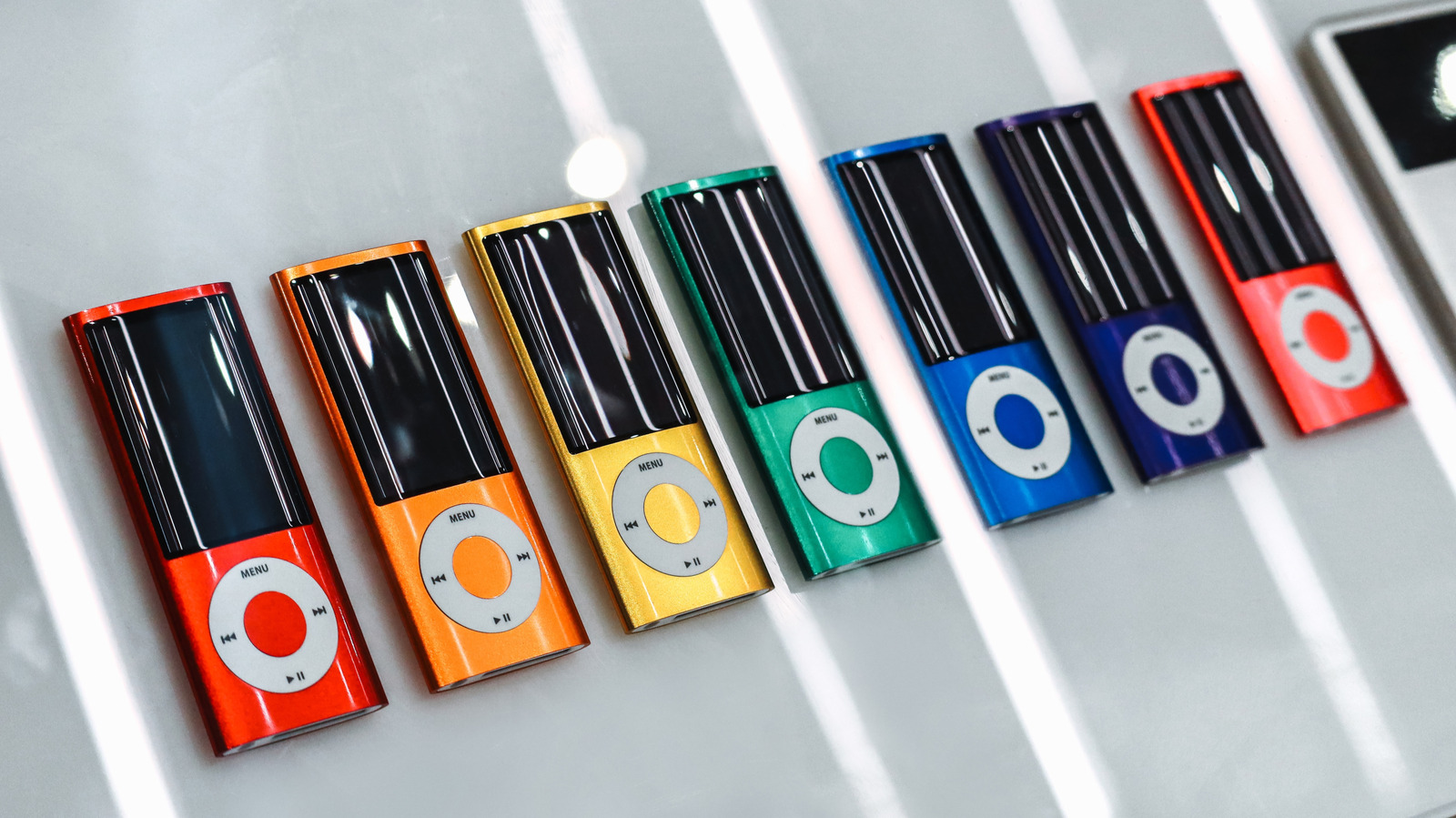
The iPod, once the symbol of the digital mainstream, is now being rediscovered as a kind of anti-mainstream object. Gen Z buyers in particular are showing up in the used-tech market, hunting for iPod Classics and Nanos as a way to listen more intentionally and cut down on distractions.
That doesn’t mean young people are rejecting music tech. It means they’re rethinking ownership and focus. With streaming services vulnerable to licensing changes and accounts disappearing, the appeal of a device that stores your own library is easy to understand. And there’s something oddly satisfying about pressing play on an album and not being ambushed by notifications every 30 seconds.
The trend is showing up in the resale world too. Apple’s old iPod era still casts a long shadow, even as the company moved on years ago. Meanwhile, buy-once games and lower-distraction media habits are also getting renewed attention as people look for products that feel less engineered to keep them hooked.
A product design problem, not a willpower problem
Austin Murray knows this tension from both sides. He helped build one of the early mobile-gaming businesses, JAMDAT, at a time when people thought gaming on phones was a joke. Now he’s building MOQA, an app meant to reduce screen time.
His pitch is blunt: the problem isn’t just discipline. It’s design.
That argument is gaining traction because it matches how people actually live. Screen time can be useful when you’re video-chatting with family, reading the news, checking transit, or keeping a streak alive in Duolingo. But it becomes a problem when the phone quietly swallows an hour you didn’t mean to lose.
Writer Calvin Kasulke, who uses screen-time limiting apps like Opal and Freedom, puts it in a pretty relatable way: he doesn’t want to block iMessage, because that’s where his real people are. He wants to stop the endless doomscrolling. No shame, no heroics, just a little less self-sabotage.
That same instinct is showing up in hardware. The Light Phone and other minimalist devices are finding an audience among people who want the basics without the bait.
Not everyone wants to go full dumbphone
For some users, ditching a smartphone entirely is too extreme. Banking apps, rides, hotel check-ins, payments — modern life keeps asking for a smartphone whether you like it or not. Murray is skeptical that most people will abandon their iPhones for a flip phone just to make a point.
That’s why the more realistic version of slowtech may not be a dramatic downgrade at all. It may be selective subtraction.
Think screenless wearables like Oura and Whoop, which still rely on a phone for deeper data but keep the interaction light. Or gadgets like Mark, an AI bookmark that tries to keep readers from reaching for their phones mid-chapter. It sounds absurd on paper. It also makes a certain amount of sense when the alternative is losing the next 40 minutes to one stray notification.
Even Apple’s upcoming feature and software updates keep pointing toward that tension: consumers don’t want more digital noise. They want tools that disappear when they should.
Back Market’s Howard sees the same logic in refurbishing older hardware and extending its life instead of pushing everyone toward the next shiny thing. That includes practical hacks like giving retired machines new software through ChromeOS Flex-style revivals. The message is less “reject technology” than “stop letting technology bully you.”
Why the backlash feels bigger this time
This isn’t just old-device nostalgia dressed up as a trend story. The frustration runs deeper.
People are tired of platforms changing rules, bricking working hardware, burying features behind paywalls, and nudging users into constant upgrades. They’re also tired of being treated like a stream of monetizable attention rather than, well, a person who might want to read a book without their phone chiming every four minutes.
That’s why the movement feels broader than iPods and retro cameras. It’s about reclaiming boundaries in a system designed to erase them. For some, that means a flip phone. For others, it means a deliberately less intrusive app stack, a refurbished laptop, or an old music player that does one thing and does it well.
And yes, there’s a little irony in using modern tools to escape modern overload. But maybe that’s the point. Slowtech isn’t about pretending the internet never happened. It’s about deciding that not every device needs to behave like a slot machine.
If the iPod Shuffle once promised “zero screen time,” the new movement is asking for something even bigger: a little more space to think, read, listen, and just exist without a feed tugging at your sleeve.