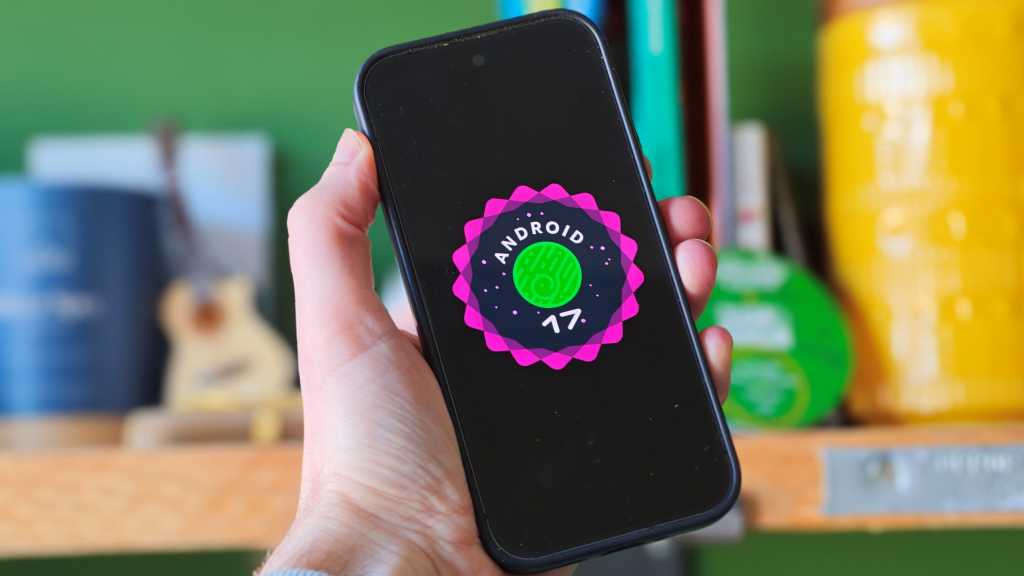
Android 17 was supposed to be a fresh start for Pixel phones. Instead, it’s turning into one of those updates people hesitate to tap before bed.
Across Reddit, Google’s own Issue Tracker and tech forums, Pixel owners are reporting a messy mix of problems after moving to the new release: touchscreen glitches, Wi‑Fi weirdness, eSIM failures, bootloops tied to system updates, and in at least one alarming case, a Pixel 8 that appears to have been bricked shortly after installing the software. Add in a wave of complaints about Google support, and the mood around the update has shifted fast from curiosity to caution.
The bootloop problem is especially frustrating because it doesn’t hit everyone the same way. Android Authority says some Pixel users running Android 17 beta 4.1 ran into a loop after installing the latest Google Play System update, with factory resets often cited as the only reliable fix. In a few cases, users managed to sideload a newer beta build through ADB to keep their data intact, but that’s hardly a casual workaround. If you’re still on Android 17 beta 4.1, the safest move is simple: skip the latest Play System update for now until Google sorts it out.
Then there’s the phone-that-won’t-wake-up story, which is the kind of thing that makes even loyal Pixel fans wince. One Reddit user said their Pixel 8 went black and completely unresponsive within an hour of updating. No vibration, no sound, no display output — just a dead-looking slab. A third-party diagnosis allegedly pointed to a dead motherboard, which would make the repair cost hard to justify. Is that directly caused by Android 17? Google hasn’t said. But when the complaints start stacking up, one-off anecdotes start to look a lot less isolated.
The list of rough edges doesn’t stop there. BGR has been tracking several Android 17 bugs that are making life annoying in different ways: widgets disappearing after the update, Wi‑Fi acting flaky in certain apps, and some users saying their Pixel’s eSIM vanishes or refuses to re-enable after flashing the OS. Newer Pixels in the US lean heavily on eSIM, so a bug there isn’t a minor inconvenience; it can leave people without service entirely. That’s not the kind of thing you want from your “just works” phone.
Touchscreen issues have added another layer of irritation. Yahoo Tech reports that some Pixel owners are seeing missed swipe inputs, while others say the top portion of the display stops responding properly in landscape mode, especially during full-screen video playback. That means the problem isn’t just cosmetic. It can get in the way of controls, captions and autoplay buttons, which is exactly the sort of everyday annoyance that turns a good phone into a grudge.
Google has acknowledged some Android 17 issues on the official Issue Tracker, and at least for the widget bug, the company says a future update is on the way. But there’s a difference between knowing a problem exists and feeling confident it’ll be fixed quickly. Right now, that confidence seems pretty thin.
The timing only makes the whole thing look worse. Google is also dealing with long-running support complaints that have nothing to do with software and everything to do with how Pixel owners feel they’re treated once something goes wrong. In one reported case involving a Pixel 9 Pro Fold, a customer was told a screen blemish would be repaired free of charge, only to later receive a $660 bill after the device was inspected. When the customer refused to pay, the phone was sent back, and follow-up discussions reportedly went nowhere. Other users have chimed in with similar stories, including warranty claims that drag on without a clean resolution.
That contrast matters. Google has spent years pitching Pixel as the closest thing Android has to the iPhone experience, and on paper it often is. But Apple’s big advantage has always been the whole package: hardware, software and support that feel coordinated. When Android Auto issues or system bugs land on top of a shaky support experience, the promise starts to crack.
For now, Pixel owners are left doing what they always do in these moments: comparing notes, retrying resets, waiting for patches and hoping the next update is the one that calms everything down instead of stirring the pot again. Android 17 still has time to settle, but early on, it’s looking less like a polished launch and more like a reminder that even Google’s best phones can stumble when the software gets ahead of the support system.