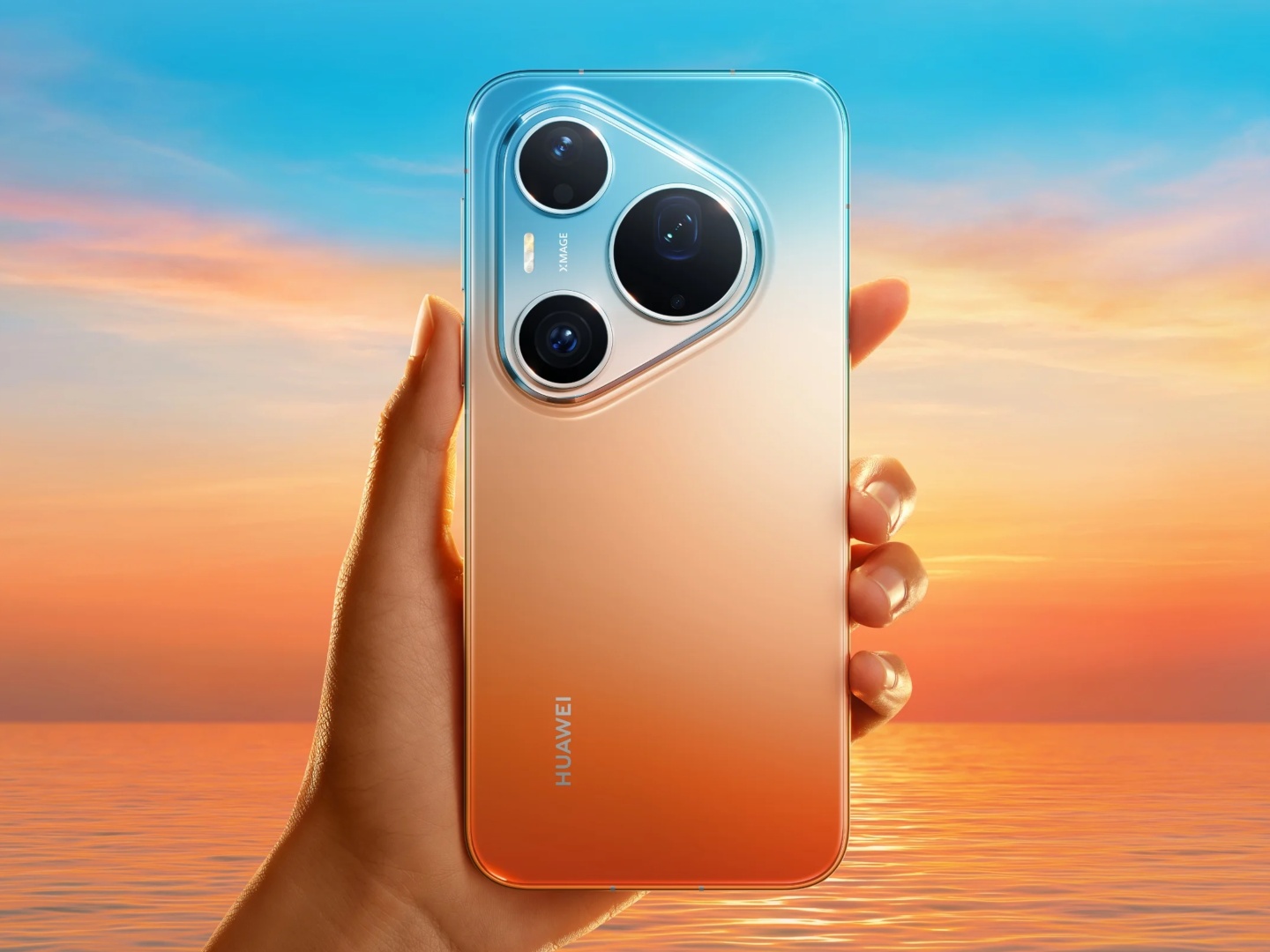
Huawei may be lining up a camera trick that sounds simple on paper and pretty ambitious in practice: letting the phone’s main, ultrawide and telephoto cameras all contribute to the same photo at the same time.
That’s the gist of a new leak from tipster Digital Chat Station, which says a major Chinese smartphone maker is testing “multi-camera fusion technology” for a future 2027 device. The brand isn’t named outright, but the clue trail points firmly toward Huawei — and more specifically, the company’s upcoming Pura lineup, likely the Pura 100 series.
The idea is to move beyond the usual camera switching that happens when you zoom or change focal length. Instead of relying mostly on one active lens, Huawei would apparently merge data from multiple sensors into a single image, pulling in detail, exposure and color information from each camera. In theory, that should smooth out some of the annoying seams smartphone cameras still have: shifts in tone when you jump lenses, softness at certain zoom levels, and those little mismatches that make a shot feel stitched together even when it looks sharp at first glance.
There’s another layer here too. The leak suggests multispectral sensors could be part of the mix. Huawei already uses multispectral tech in some flagships to improve color accuracy and scene recognition, and folding that data into a fusion pipeline could help the phone render more natural skin tones and more believable lighting across tricky scenes. That’s the kind of thing most users won’t notice in a spec sheet, but they absolutely will notice in the photos.
Huawei isn’t inventing the concept from scratch. Multi-camera fusion has been explored before, including by Honor in its Magic series, and computational photography has been chewing away at the old “which lens should I use?” problem for years. But if Huawei pushes this further — using all sensors simultaneously rather than selectively — it could force other premium brands to rethink their own camera stacks. That would be a bigger deal than it sounds. The camera race in phones has slowed down in the hardware department, so software and sensor collaboration have become the real battleground.
The reported move also fits Huawei’s broader camera-first identity. The company has spent years using the Pura and Mate families to show off imaging hardware that often feels a step ahead of the mainstream. That same appetite for experimentation is part of why Huawei still gets so much attention whenever a camera leak surfaces. It’s also why rumors like this tend to spread fast: if anyone is going to try to make the phone camera behave less like a switchboard and more like a unified imaging system, Huawei is a believable candidate.
Of course, this is still early talk, not a product announcement. Features this far from launch can change, get delayed or disappear entirely before they ever reach retail devices. But the direction is intriguing, especially as rivals keep sharpening their own camera software and zoom systems. Samsung and Apple have both leaned hard into computational imaging, and even features like privacy-focused displays or foldable experiments may grab headlines, but camera quality remains one of the few areas where buyers still care enough to notice a real leap.
If Huawei does bring this to a future Pura flagship, it could be one of those upgrades that quietly changes expectations. Not flashy in the usual “new megapixels” sense. Just smarter. And, if the leak is right, a lot more cooperative between the cameras already sitting on the back of the phone.