Apple is making a noticeable push into women’s health with iOS 27, and this time it’s about more than period tracking and fertility windows. The Health app is expanding to cover perimenopause and menopause, while the company is also adding a new food-nutrition feature, faster syncing, and a handful of fitness improvements that make the whole health stack feel a little more complete.
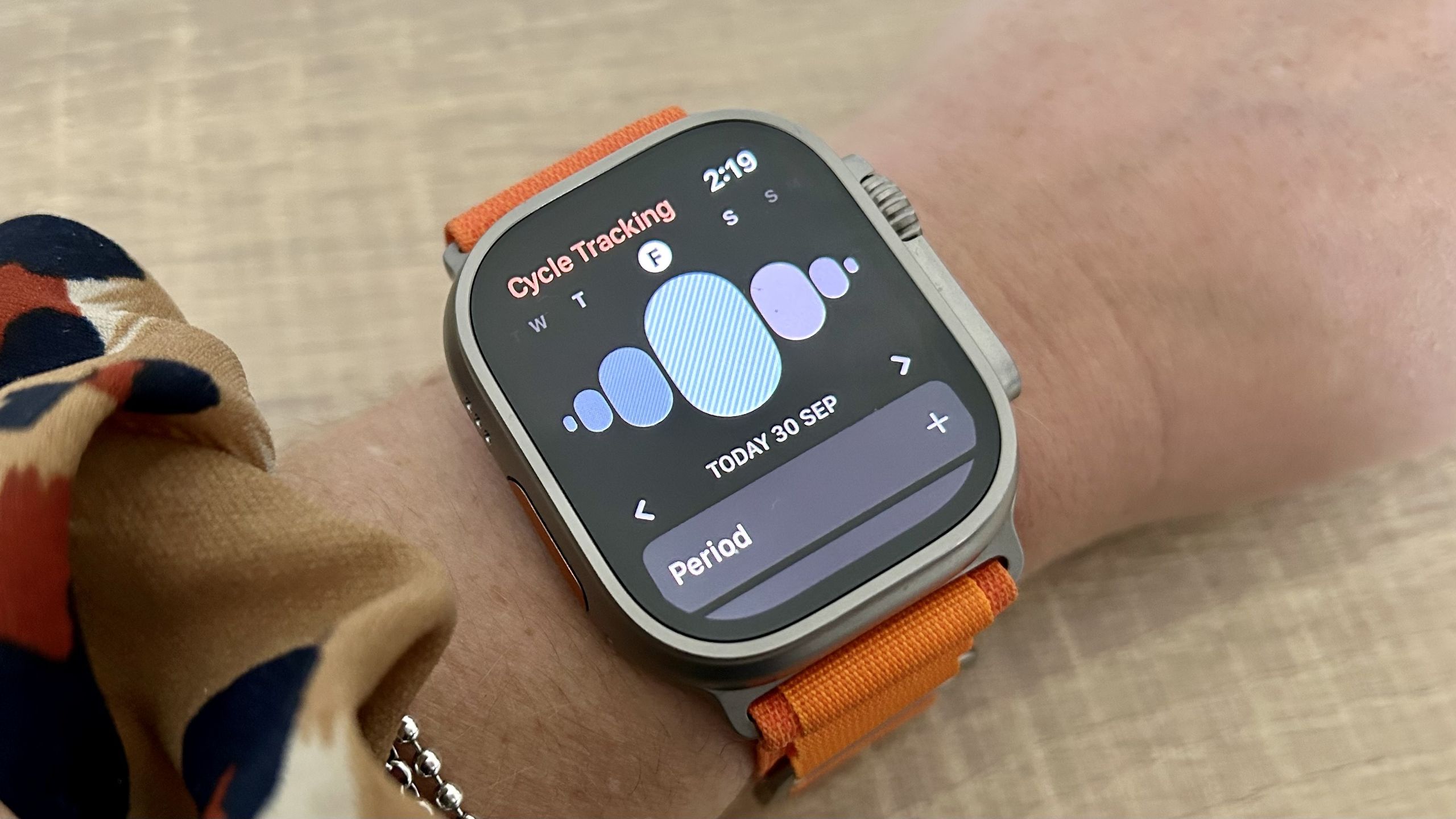
The most talked-about change is the new perimenopause support. In the Health app, users can log whether they’re in perimenopause or menopause, track symptoms, and get educational material that explains what’s going on. For users aged 40 and above, the app can also send a notification when cycle patterns look suggestive of perimenopause. Apple is careful to frame this as guidance, not diagnosis: if the app spots irregularities over a six-month window and sees more than one concerning pattern, it points users toward a doctor rather than pretending to be one.
That distinction matters. Perimenopause is often misunderstood, and a lot of people don’t realize they’re in it until symptoms have already been grinding away for months or years. Apple says it’s leaning on FIGO medical guidance to help separate a likely perimenopause signal from other causes of irregular cycles. The company also draws a hard line at age 40 for the alert feature, since younger users with irregular periods may need a different kind of medical follow-up. For anyone using the system, the app can also track symptoms such as sleep changes, mood shifts, headaches, hot flashes, fatigue, and more.
Apple seems to be building a broader wellness picture around that same life stage. Alongside the Health app updates, Fitness+ now includes a new menopause-focused program, “Strong Through Menopause,” which is built around short weekly strength and yoga sessions. It’s aimed at resilience rather than performance, and Apple says the routine is designed to help with strength, balance, mobility, pelvic floor support, and stress. In other words: less chasing metrics, more helping people feel like themselves again.
That’s not the only new health angle. Visual Intelligence in iOS 27 can now inspect food through the Camera app and estimate nutritional value. It won’t count calories down to the last number, but it can flag whether something is heavily processed, high in sugar, or a decent source of protein. It also assigns a broad nutritional ranking from very low to very high. The feature doesn’t sync into the Health app, which is a little odd, but it should still be handy for quick checks. Apple says it requires an iPhone 15 Pro or later.
Elsewhere in the app, the Browse section has been redesigned with card-style panels instead of the old list layout, and the bottom navigation bar now combines search and browse into a single control. It sounds minor, but it makes the app easier to scan and less visually dense. There are also performance improvements that let health data sync faster, which is one of those unglamorous upgrades you only notice when it isn’t there. Apple has also added step-count syncing between Health and Fitness, improved route map accuracy after workouts, and more precise treadmill distance tracking.
One of the more surprising additions is GymKit on iPhone. Until now, GymKit was mostly an Apple Watch feature, but iPhone users will soon be able to pair with treadmills, indoor bikes, and other gym equipment to sync calories, distance, speed, incline, and pace. That opens up a chunk of fitness tracking to people who don’t wear a watch at all, which is a smarter move than Apple has sometimes made in the past.
There’s also a child safety push in the broader iOS 27 release, with new tools aimed at helping parents control what their kids can see and do on their devices. And while Apple had reportedly explored an AI health service, that effort was scrapped before the beta arrived, so for now the company is sticking with more grounded features rather than a full-blown medical chatbot.
The timing is telling. Apple’s health platform has spent years expanding around one-off features — cycle tracking, hearing alerts, fall detection, heart rhythm notifications — but iOS 27 feels more like an attempt to stitch those pieces together into something that follows users through different stages of life. That’s especially visible in women’s health, where Apple is now talking less about fertility alone and more about the messy middle of adulthood that plenty of products still ignore.
There’s a bigger industry story underneath all this too. Companies such as Oura and other midlife health platforms have already been pushing deeper into hormonal health, and Apple’s arrival in the same space will matter because of scale. Even if the company’s tools are conservative — and they are — the Health app reaches a lot of people, and that alone can make a feature feel more legitimate.
Apple says iOS 27 is already available to developers, with a public beta coming in July and a full release expected this fall. If the company keeps pushing in this direction, the Health app may end up becoming less of a tracker and more of a companion for the parts of life most apps still avoid talking about.