What do you do when your next big phone redesign is still more than a year away? If you’re Apple, you already start writing the software.
Mark Gurman of Bloomberg recently dropped a short but telling line in his Power On newsletter: Apple has begun early work on its 2028 operating-system slate, and the "28" generation is shaping up to be "far more significant" than this year's iOS 27. The report, picked up widely by tech outlets, also revealed internal codenames: iOS and iPadOS 28 are reportedly called "Bell," macOS 28 is "Poppy," and the teams have nicknamed the whole effort "Boppy."
Where this comes from (and what we already know)
Apple routinely plans software and hardware years in advance, so early chatter isn't surprising. What is interesting is the contrast the company appears to be drawing between the two-year cycle: iOS 27 is meant to tidy, rethink and add AI-facing features, while iOS 28 looks like a heavier lift—potentially tied to new hardware.
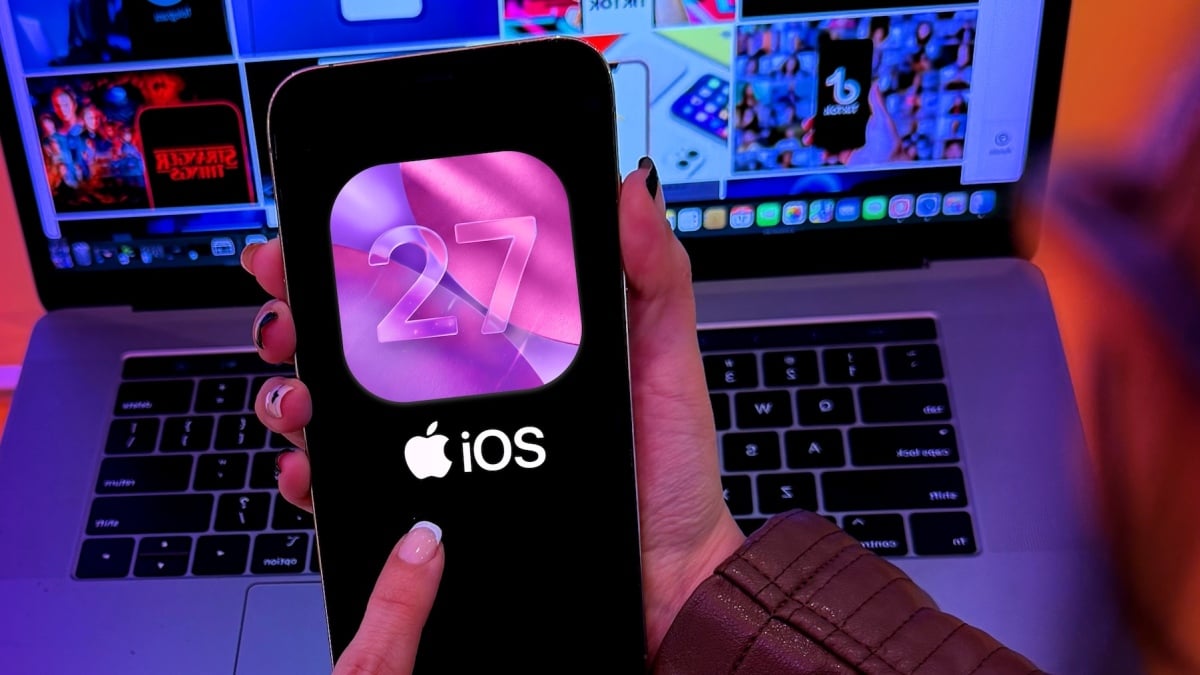
Gurman and subsequent summaries say iOS 27 will focus heavily on Siri and Apple Intelligence: a more personalized Siri with better on‑screen awareness, tighter access to your Mail and Messages context, a dedicated Siri app for back-and-forth text or voice conversations, and Dynamic Island integrations like a "Search or Ask" option. (Apple has been iterating toward this smarter assistant for a while; earlier iOS updates laid groundwork with custom voices and behind-the-scenes AI tweaks.) See Apple’s ongoing Siri work in Siri, Redesigned: Apple Tests Multitasking, AI ‘Extensions’ and a Standalone App for iOS 27 for the nitty-gritty of those changes.
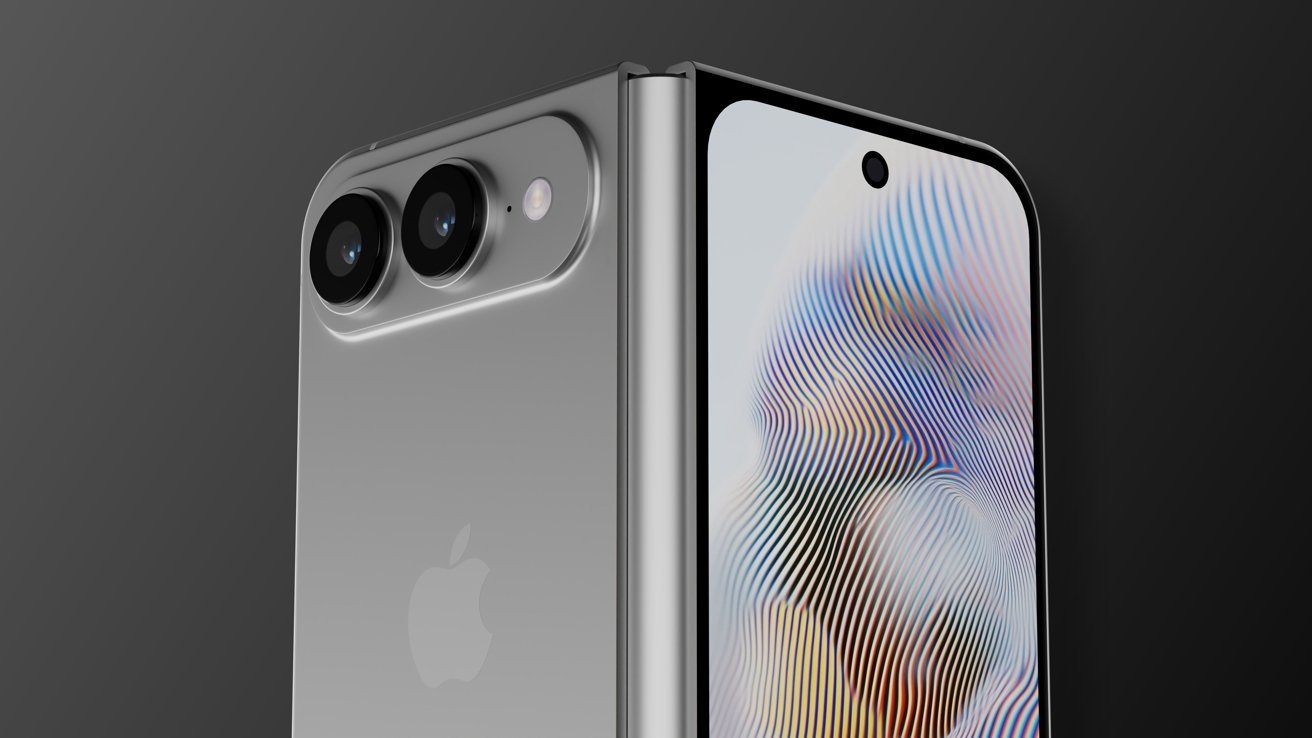
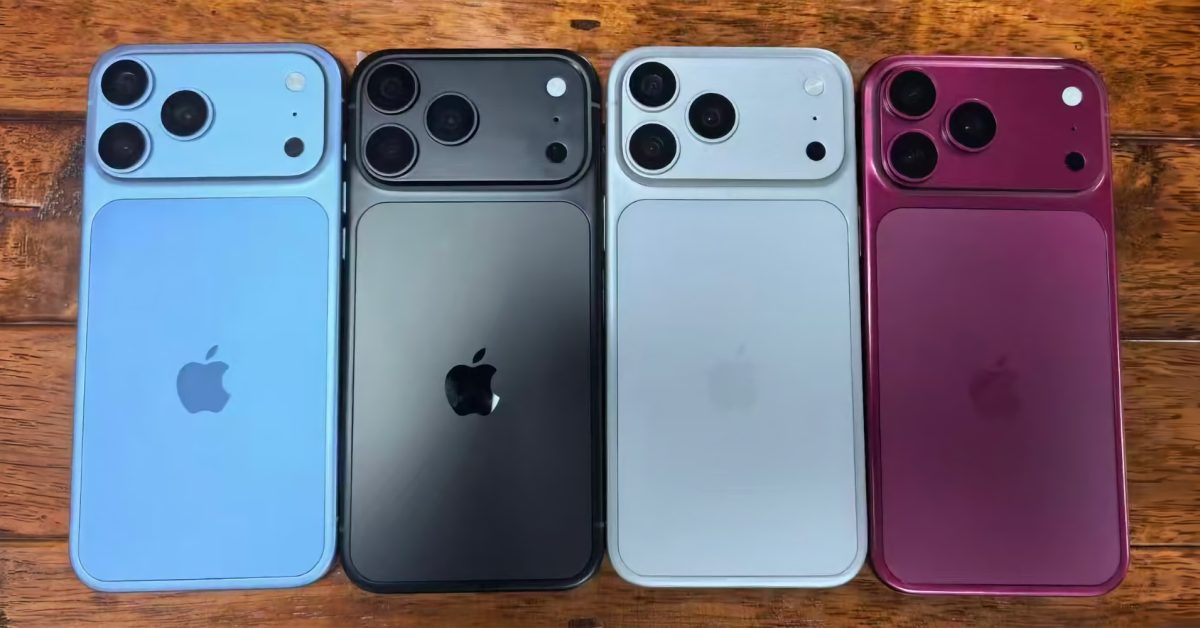
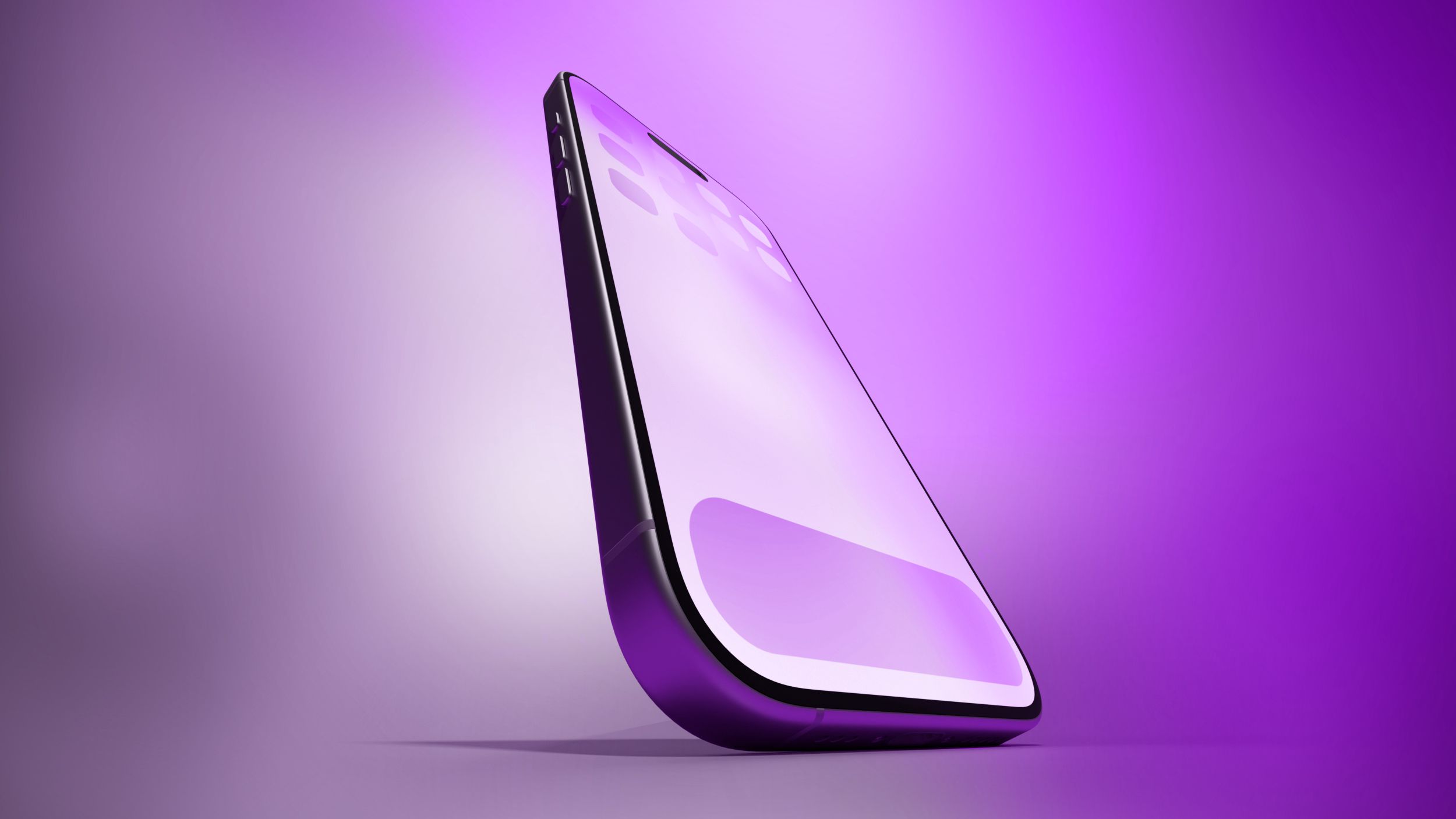
The rumor also ties iOS 28 to a possible hardware milestone: Apple’s 20th‑anniversary iPhone, expected in late 2027. That device is rumored to carry a major redesign and could demand deeper system-level changes—new UI paradigms, updated app architectures, or system services tailored to fresh sensors and displays. Early leaks about future iPhone designs, including a shuffled Dynamic Island and other interface tweaks, hint at why Apple might want a larger software update to match the hardware shifts (iPhone 18 leaks point to a smaller Dynamic Island, giant battery and an all‑screen ambition).
Why "more significant" might actually mean
"Far more significant" is deliberately vague. It could mean any combination of these things:
- Deep platform changes to support a redesigned iPhone (new display tech, revised system chrome, or altered power/performance profiles).
- Large-scale integration of Apple Intelligence across apps and services, beyond the incremental features arriving in iOS 27. Apple has been layering AI into voice, personalization and system utilities since iOS 26, so iOS 28 might be the consolidation point for those efforts (iOS 26's little revolutions: Personal Voice, faster workflows and quiet fixes).
- Architectural overhauls in macOS, iPadOS and iOS that enable closer feature parity or new cross-device experiences—something employees calling the bundle "Boppy" could be signaling: this is meant to be an integrated push, not isolated tweaks.
Or, it could simply be Apple keeping expectations high for next year’s keynote. Early-stage development means features are fluid; teams work on components long before they slot into a release.
What to expect (and when)
Expect to hear more at WWDC 2027 if Apple follows its usual cadence: iOS 28 will likely be previewed to developers in June 2027 and ship in the fall alongside new iPhone hardware in September. For now, iOS 27 is the nearer story: it’s being positioned as the stability-and‑smarts update that prepares the platform for what comes next.
Apple fans who care about Siri and AI should watch the WWDC unveiling next week closely—it's where the path toward Boppy gets clearer. For everyone else, keep an eye on how Apple frames the relationship between software refinements and the next-generation hardware it hopes will justify them.