Google has picked August 12 for its next Made by Google event, and the invite leaves little doubt about the star of the show: the Pixel 11 family. The company is again using New York City as the backdrop, but this time the keynote starts later than usual, at 6 p.m. ET. That evening slot may not sound dramatic, but the rest of the Pixel story probably will be.
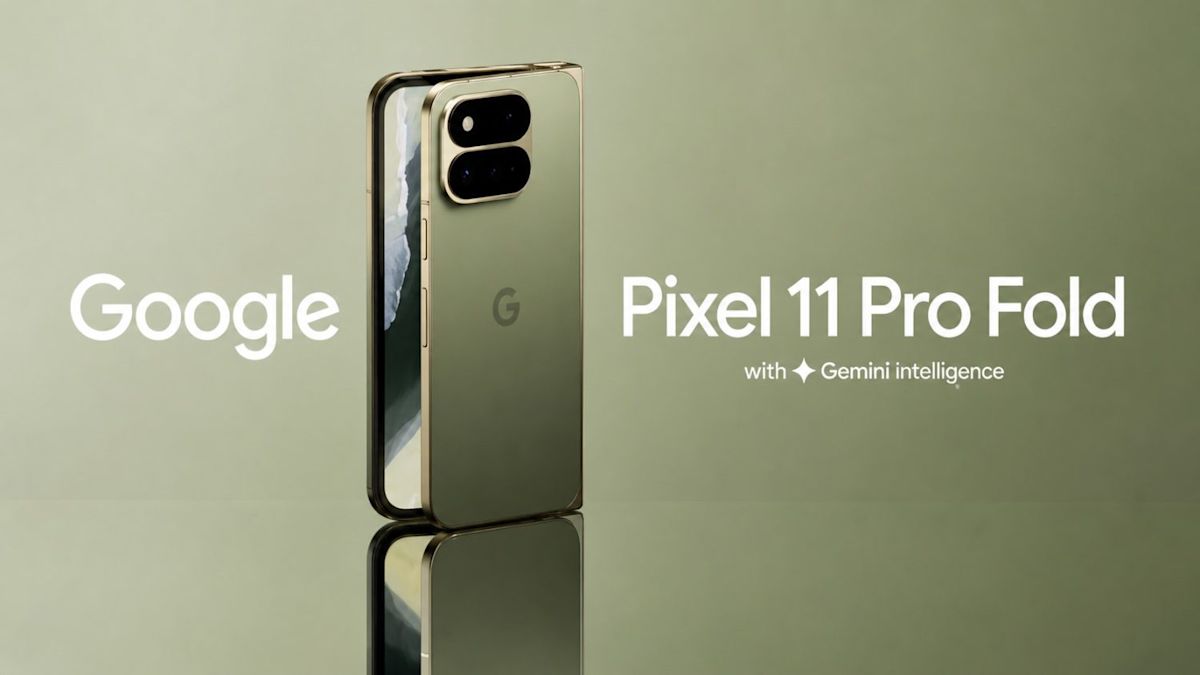
The teaser image Google sent out is doing a lot of work. It shows a gold-toned phone frame and a silhouette that looks very much like the Pixel design language Google has leaned on for the past few generations. In other words: don’t expect a reinvention. The bigger changes are likely to be under the hood, and in the price sheet.
Multiple reports now suggest Google is preparing a meaningful shift in how it sells the base Pixel 11. The current Pixel line still starts at 128GB on the smaller models, but that entry point may disappear this year. Instead, the Pixel 11 and Pixel 11 Pro are rumored to begin at 256GB, with no cheaper storage tier to soften the blow. That would align Google more closely with Apple’s and Samsung’s premium models, but it also means the headline price jumps will be harder to ignore.
In Europe, the leaked numbers are pretty blunt: €999 for the Pixel 11, €1,199 for the Pixel 11 Pro, €1,399 for the Pro XL and €1,999 for the Fold. If Google follows its usual conversion pattern, that could translate to a U.S. starting price of $899 for the Pixel 11, $1,099 for the Pixel 11 Pro, $1,299 for the Pro XL and a steep $1,899 for the foldable. Even the foldable would still undercut Samsung’s most expensive models, but only by a little.
That pricing tension is the real story here. Google is reportedly not just selling a better-specced phone; it may also be asking buyers to absorb the cost of a tighter component market. The AI boom has been pushing up demand for memory and other hardware across the industry, and smartphone makers have been juggling that pressure all year. We’ve already seen other Android brands nudging prices higher, and Google may simply be joining the club.
The Pixel 11 leaks have also filled in some of the cosmetic blanks. The base model is said to come in Light Sterling, Midnight Haze, Fuchsia and Moss, while the Pro phones lean more subdued with Light Fog, Midnight Haze, Dune and Pine. The 1TB versions may be locked to Midnight Haze only, which is the sort of quietly annoying limitation that manufacturers love to sneak in near the top of the lineup.
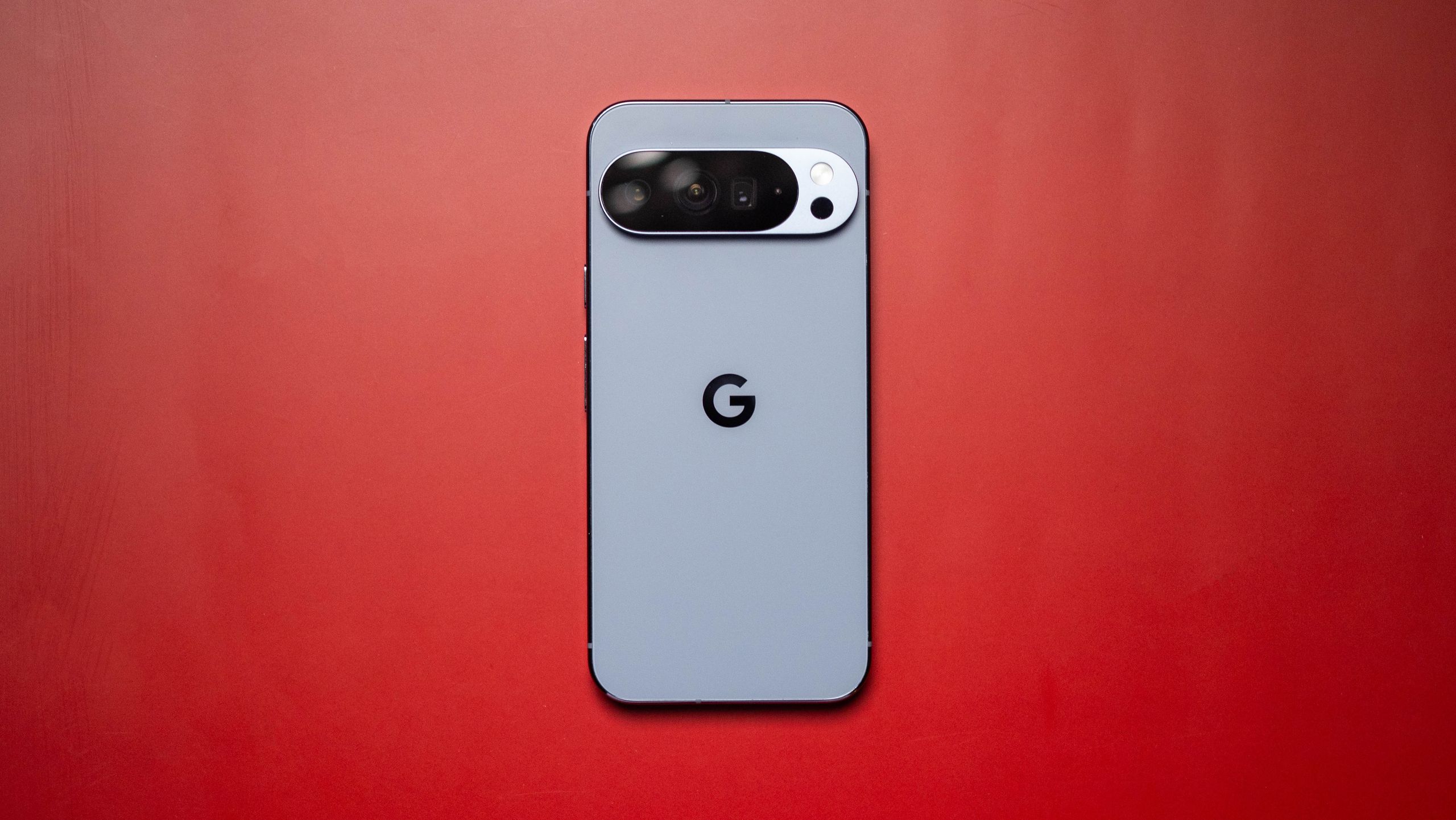
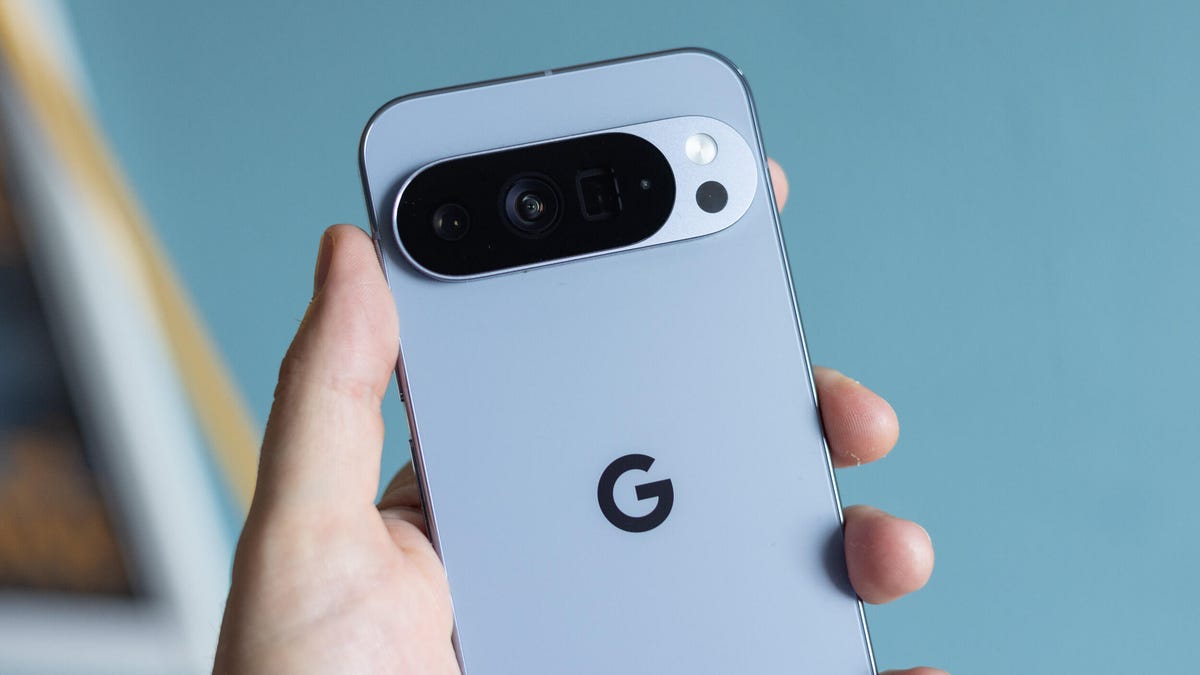
On the hardware side, the phones are expected to look familiar, though not identical. The base Pixel 11 may get slimmer bezels and keep a black camera bar, while the Pro models are rumored to shave off a bit of thickness. The Pixel 11 Pro Fold could slim down too, and there’s chatter about a redesigned camera bump. The most distinctive new touch may be something called Pixel Glow, a rear-facing light used for notifications and status cues when the phone is placed face down. It sounds like Google’s answer to a small problem most people already live with, but in typical Pixel fashion, it could turn into one of those little features fans end up talking about more than the headline specs.
There’s also a question hanging over memory. One previous leak suggested the Pixel 11 Pro models might drop to 12GB of RAM, down from 16GB on the Pixel 10 Pro. If that turns out to be true, Google’s pitch gets more complicated: more storage, potentially less memory, and a higher entry price. That is not an easy trade to explain, especially in a market where buyers are already getting used to paying more for less obvious gains. It’s the same kind of uneasy balance that has shaped Samsung’s latest flagship choices, where design tweaks and feature compromises have mattered just as much as raw specs.
The wearable side of the event should be quieter. The Pixel Watch 5 is expected to show up with the same basic look Google has used for its watches so far, although there’s speculation it could switch to a Google-designed Tensor chip instead of Qualcomm silicon. If that happens, battery life and efficiency will matter more than ever. A watch can survive a fairly ordinary chip trade-off; a Pixel phone can usually brute-force its way through one. A smartwatch has a much smaller margin for error.
Google is also likely to use the event to keep its broader hardware lineup moving. The company has been leaning harder into Pixel software and AI features as a differentiator, and this year’s launch feels built around continuity rather than surprise. That can work, especially if the phones feel polished and the features land cleanly on day one. But Google will be asking a lot from buyers if the price really climbs and the design stays nearly the same.
For now, the clearest thing on the calendar is the date. August 12 is when Google plans to show its hand, and if the leaks are even close, Pixel fans should expect a familiar-looking lineup with more storage, new colors, a possible light-up rear indicator and a bill that lands a little harder than last year’s.