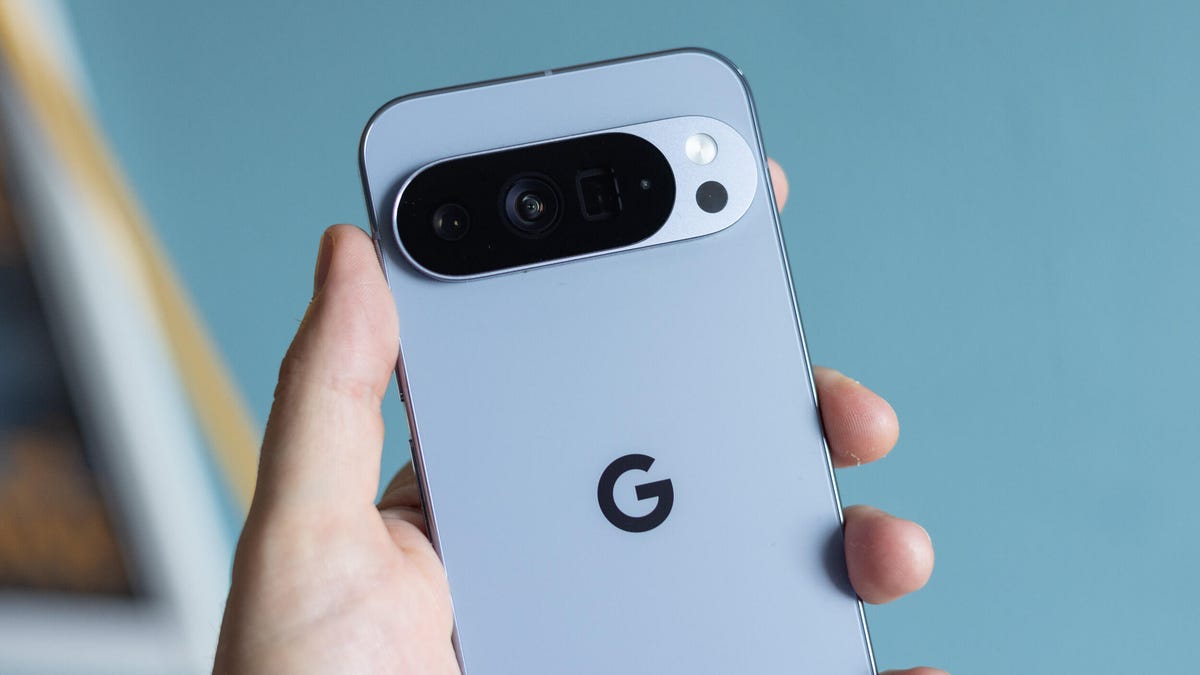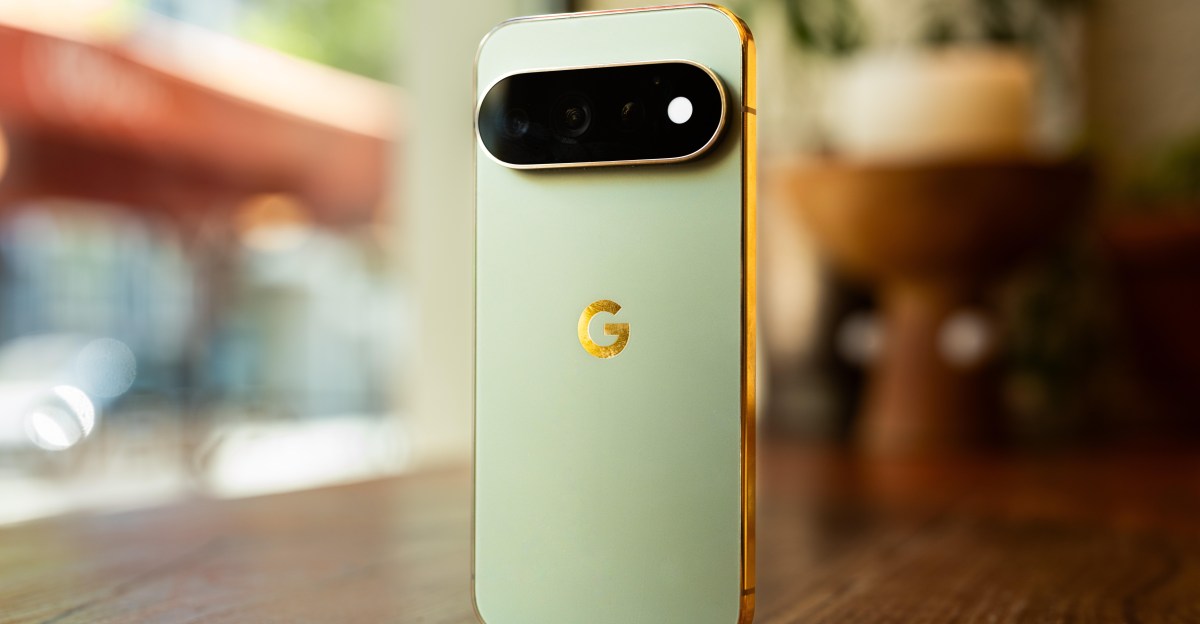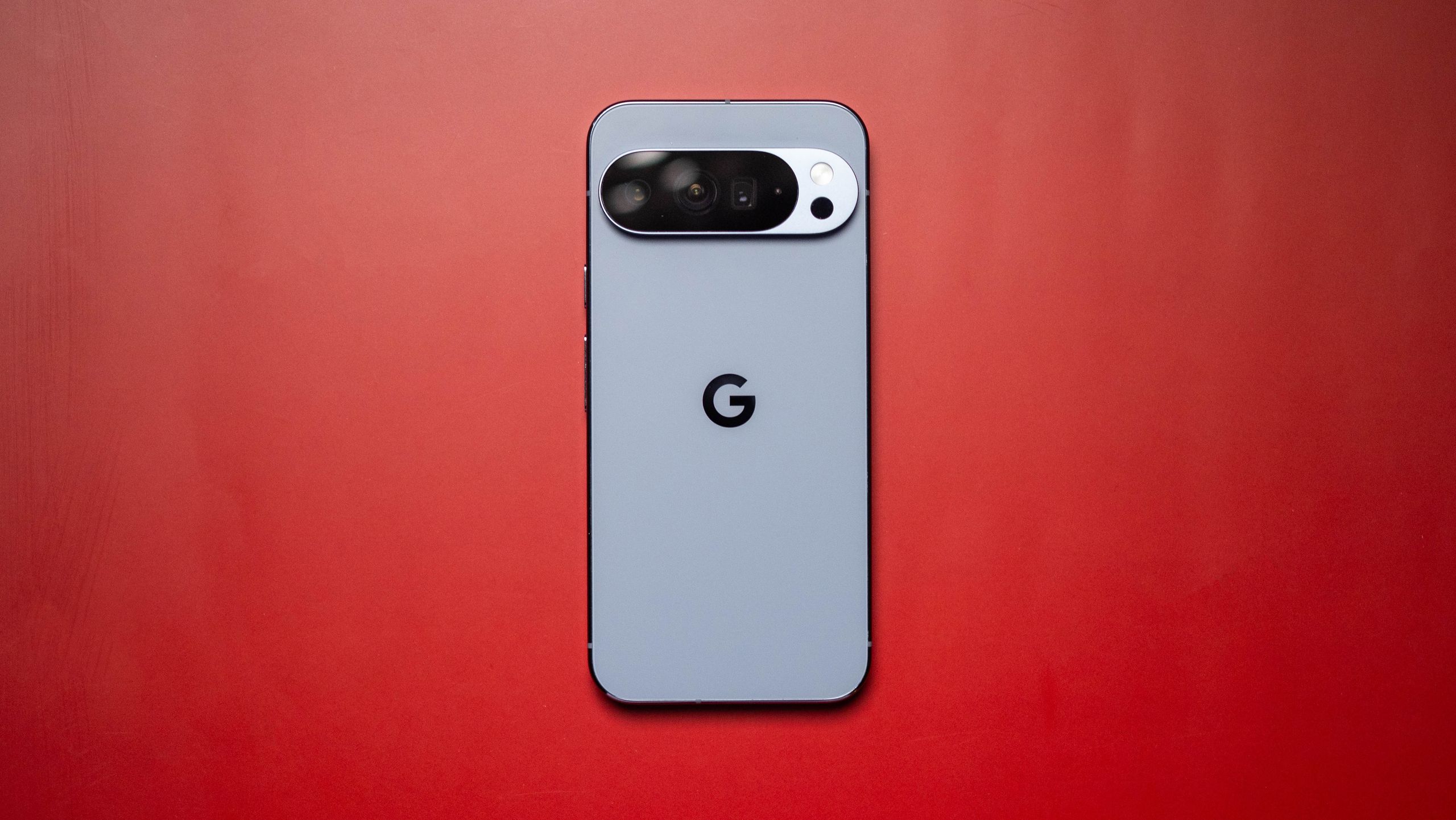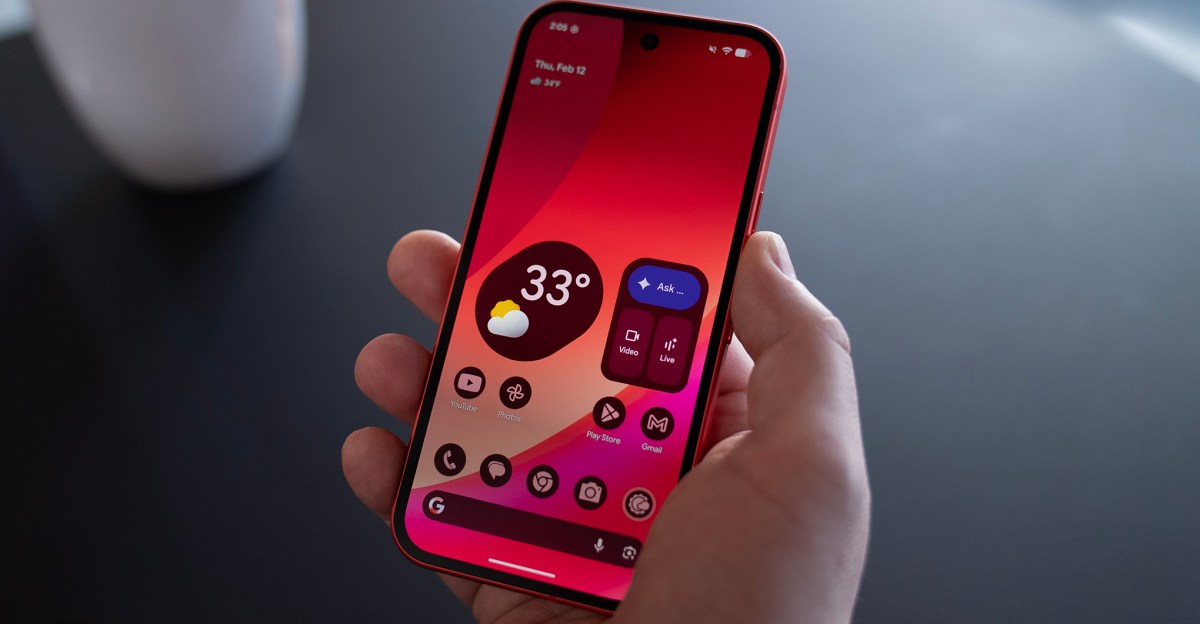
What if Google’s next flagship trimmed memory but pumped up everything else? A large leak — traced to a collective of tips dubbed MysticLeaks and echoed across several outlets — sketches a Pixel 11 family that swaps a portion of its RAM headroom for new camera sensors, louder displays and an attention-grabbing LED ring around the camera bar.
The quick shape of the leak
According to the documents circulating online, the whole Pixel 11 lineup will run Google’s next in-house chip, the Tensor G6, built on TSMC’s N2 (2nm) node. Expect a 1+4+2 CPU layout using ARM’s new C1 cores, a PowerVR C‑Series CXTP‑48 GPU, Google’s Titan M3 security chip, a fresh TPU and a MediaTek M90 modem. That last bit would mark a noticeable shift away from Samsung modems.
The specs that matter to shoppers:
- Pixel 11 (vanilla): 6.3-inch OLED, 1080×2424, 60–120 Hz, up to ~2,200 nits peak; 4,840 mAh rated battery; RAM options reportedly 8GB or 12GB; new main camera sensor thought to be 50MP. Colors: black, green, pink, purple.
- Pixel 11 Pro: 6.3-inch higher-res OLED, 1280×2856, up to ~2,450 nits; battery ~4,707 mAh (rated); RAM 12GB/16GB; new main camera and a new telephoto.
- Pixel 11 Pro XL: 6.8-inch OLED, 1344×2992, up to ~2,450 nits; 5,000 mAh (rated); RAM 12GB/16GB; refreshed camera array.
- Pixel 11 Pro Fold: internal 2076×2160 foldable OLED, external 1080×2342 OLED; ~4,658 mAh rated battery; RAM 12GB/16GB; new main sensor as well.
Public leaks give both minimal and “typical” capacities for batteries; manufacturers often report the lower rated number while marketing materials show a slightly higher typical figure. Given recent Pixel battery complaints after April updates, battery life will be a close-watch area for reviewers and buyers alike (Pixel battery drain after April update).
The RAM story: shortage or strategy?
Perhaps the most eyebrow-raising detail is RAM. Google moved many of its recent flagships to 16GB as a baseline, but these leaks suggest the Pixel 11 base model may start at 8GB, with Pro models offering 12GB as another entry point and 16GB as the top-tier option. Industry-wide memory shortages and price volatility have already nudged makers to adjust specs and prices; shrinking the baseline RAM is one way to shield launch prices from spikes.
For day-to-day use, 8GB can still be perfectly functional—Android’s memory management and Google’s software smarts do a lot of heavy lifting. But optics matter: a flagship with 8GB in 2026 will feel like a step back to many, especially if Google keeps base storage levels high. If Google preserves cheaper Pixel 10 deals it recently offered, it could be a deliberate tiering play rather than a full downgrade (Pixel 10 deals and pricing moves).
Cameras and image pipeline
The leaks indicate Google isn’t skimping on camera hardware. The vanilla Pixel may finally get a new 50MP main sensor (codenamed “chemosh” in leak notes), while the Pro variants reportedly receive distinct new sensors for main and telephoto duties (codenames “bastet” and “barghest” appear in the notes). Google is also said to be introducing an updated GXP image signal processor alongside the TPU—hardware that could translate into tangible improvements in low-light, detail and computational tricks.
Hardware swaps like this are notable: Google doesn’t frequently overhaul the physical sensors across an entire Pixel family, and coupled with a new ISP/TPU the company looks poised to push photography forward even if memory per model dips.
Pixel Glow: more than a gimmick?
One of the leak’s flashier claims is “Pixel Glow” — an LED array built into the camera bar that would light up for notifications, charging status and other contextual cues. It’s described as conceptually similar to Nothing’s Glyph but smaller and integrated into the Pixel’s signature horizontal camera bar.
If Google exposes the Glow to developers via a public API, the feature could become genuinely useful: glanceable notifications, color-coded priorities, or even visual feedback when an on-device Gemini model is processing a request. That’s the argument made by those who see it as a productivity improvement rather than mere ornamentation.
What’s being dropped or delayed
The leak also suggests some features won’t make the cut. The built-in temperature sensor found in recent Pro models may disappear, and Google’s rumored IR-based “Project Toscana” face-unlock hardware apparently isn’t ready for Pixel 11. So, while the phones gain new sensors and lights, some ancillary hardware is being rethought.
Why this matters
Taken together, the leaks paint a team that’s balancing trade-offs: better cameras, brighter and faster panels, and a bold new look (and UX) for the camera bar, all while navigating component shortages that could force step‑downs in RAM or push higher-capacity SKUs into pricier territory. For buyers, that means decisions will be more about priorities than specs alone — do you want cutting-edge imaging and a novel notification system, or the reassurance of larger memory buffers for multitasking?
Treat every leaked spec as provisional. Google hasn’t confirmed these details (launch season chatter points to an August unveil), and manufacturers often reshuffle the deck between early leaks and final shipping hardware. Still, if even half of this holds up, the Pixel 11 family will be a story of clever trade-offs and a visible attempt to reframe what a Pixel can be — literally glowing while it tries to justify slimmer memory footprints.