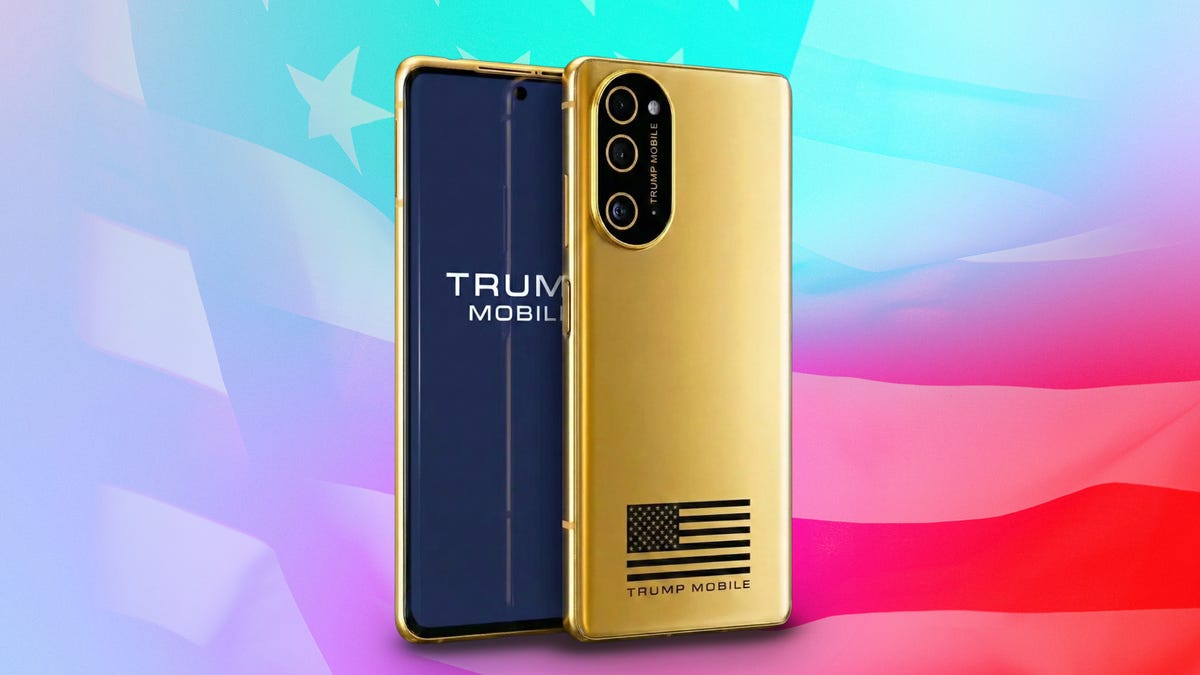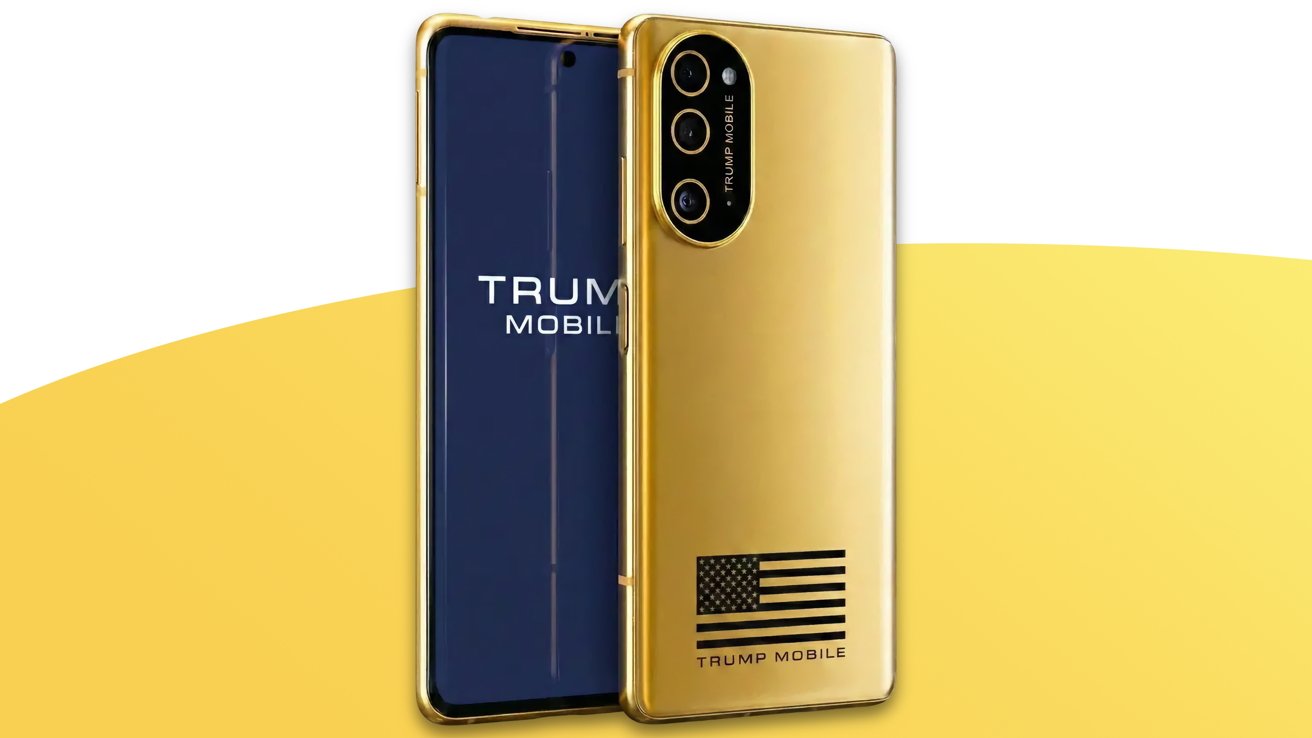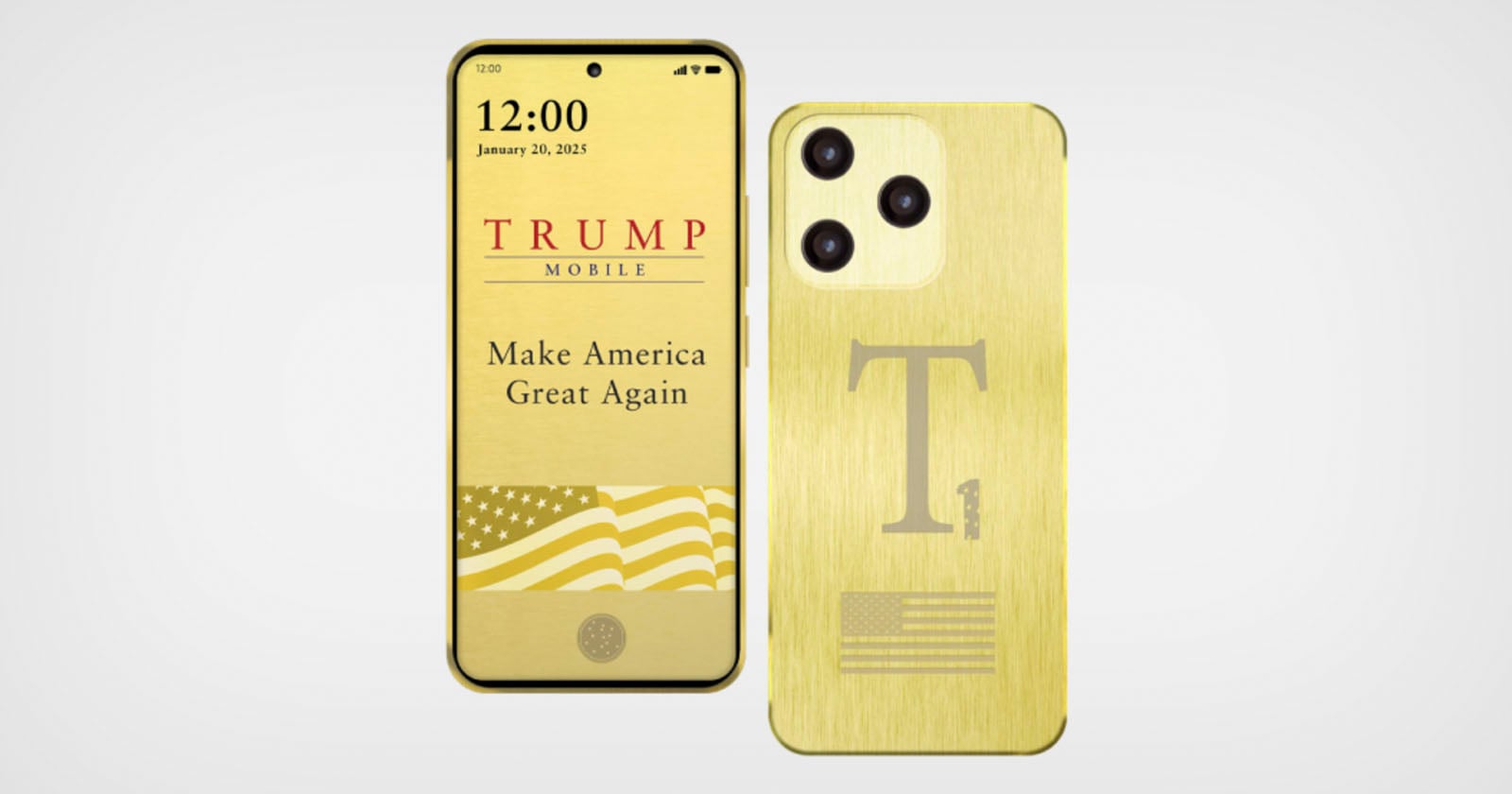
Nine months after the gold T1 was supposed to arrive, Trump Mobile has started shipping preordered units. For customers who paid a $100 refundable deposit and waited on a list for a $499 phone, that first email landed this week — and so did a flurry of complaints, comparisons and regulatory eyebrow-raising.
It actually exists — sort of
That in itself is a minor surprise. Announced in June 2025 with big promises of American manufacturing and an August release, the handset missed deadlines, slipped into winter and then spring, and finally began moving out of warehouses. Early review units made their way to journalists and influencers; NBC News posted a hands-on, and social posts from staffers like Brian Cheung made the rounds.
If you followed the prelaunch saga, the delays were no mystery — manufacturing timelines are brutal for first-time device launches — but Trump Mobile's shifting language about when and where the T1 would be built is new fuel for critics. For background on the long wait, see earlier coverage of the rollout and postponements about the delay.
'Made in the USA' became 'assembled' and then something vaguer
At announcement the company leaned hard into an America-first pitch: a gold, patriot-branded phone supposedly made domestically. That claim was quietly removed after industry observers pointed out how unlikely it was that a full-featured $499 smartphone could be produced end-to-end in the United States. Company statements now say the devices are being 'assembled' in the U.S. and 'designed with American values in mind', while marketing copy highlights American teams doing quality control and design.
That semantic pivot has attracted scrutiny beyond Twitter. A Democratic senator with telecom experience publicly questioned what he called potentially misleading marketing, and reporters dug into supply-chain breadcrumbs suggesting the hardware resembles existing Asian-made models.
Inside the spec sheet: middling hardware, heavy branding
Trump Mobile's marketing materials leaned on a 6.8-inch AMOLED display, a triple rear camera system and a punch-hole selfie shooter — specs that sound current but not flagship. Reviewers who compared the device to models already on the market said the T1 looks very similar to off-the-shelf phones like the HTC U24 Pro or certain Wingtech/REVVL models. Notebook-style teardowns and chip reports point to a midrange Snapdragon 7-class chipset rather than top-tier silicon.
That matters because it reframes the $499 price tag: whether that is a promotional offer or an attempt to position a midrange rebrand as premium is up for debate. The phone comes preinstalled with Truth Social, and out of the box the Trump name and iconography appear repeatedly — a deliberate political-branding move that will appeal to some buyers and repel others.
Small but telling details have also become symbols of sloppy execution. The American flag printed on the phone's rear has 11 stripes instead of the expected 13, a mistake widely mocked online and seized on as evidence that the product is more about image than craftsmanship.
Privacy, security and order chaos
Trouble hasn't been limited to aesthetics. Independent researchers and a YouTuber reported a vulnerability in Trump Mobile's preorder system that allegedly allowed scraping of customer addresses and phone numbers and the ability to place fake orders. Company statements say credit card details were not exposed, but even addresses and contact info raise real consumer-protection concerns.
There are also questions about how many phones were actually preordered — the scraped data suggested fewer orders than viral claims had implied — and whether Trump Mobile's supply will satisfy the waitlist. The company paired the device with a monthly service option, reportedly around $47.45, using T-Mobile's network coverage.
Politics, marketing and a market test
Part of what makes this story interesting is that the T1 is as much a political product as a technological one. For many buyers it is a symbolic purchase — a way to signal identity — and that changes how success is measured. For others, who expected a genuinely domestically manufactured alternative to Apple and Samsung, the device is a disappointment.
Trump Mobile did tweak the phone's presentation in recent weeks, a modest refresh that improved some imagery and messaging. Critics remain unconvinced, and analysts treating the launch as a rebrand of existing hardware have been vocal. For how the product was reshaped after its debut, see coverage of the T1's recent updates on its redesign and lingering questions.
One thing is certain: a real product is now in consumers' hands, and that will create its own feedback loop. Early unboxings, privacy probes and customer complaints will tell us far more than press statements. Expect the conversation to settle where most consumer-device debates end up — in reviews, return rates and patches — rather than on slogans.