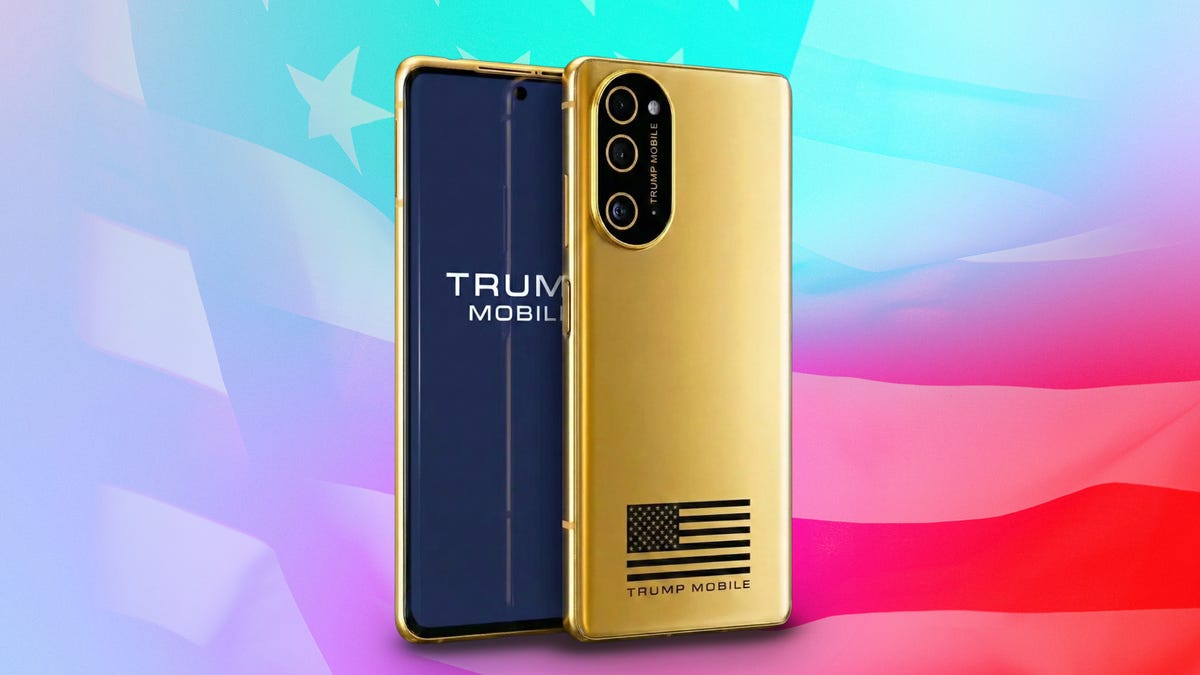
When Trump Mobile announced a gold, American‑proud smartphone last summer, it felt like a novelty wrapped in a campaign rally: a $499 T1 handset, a $100 refundable deposit, and a $47.45-a-month “47 Plan.” Now the company says the phones will finally start shipping to people who preordered them this week — but months of missed dates, revised promises and an updated preorder contract mean that not everyone is convinced the rollout will be smooth.
CEO Pat O’Brien emailed statements to reporters this week saying preorders will begin delivering “this week” and that the company expects all preorders to be fulfilled within “the next several weeks.” He framed the delays as the kind of hiccups that come with hardware manufacture: parts testing, quality assurance and production steps that needed extra time.
What the T1 promises
The T1 that’s been shown on Trump Mobile’s site and in promotional materials looks like a conventional Android flagship painted gold. The spec sheet the company advertises includes a 6.78‑inch AMOLED display, a multi‑camera setup with multiple 50‑megapixel sensors, a 5,000‑mAh battery, fingerprint hardware and AI face‑unlock, and a Snapdragon mobile platform. The site still invites would‑be buyers to join a waitlist and put down a $100 refundable deposit toward a promotional $499 price.
That checklist is enough to place the T1 among affordable mainstream Android phones on paper. The practical sticking points aren’t the pixels or the battery—they’re supply chains, assembly and the small print.
The supply chain and the “made in America” pivot
At launch the Trump family pitched the phones as an American manufacturing story. That claim gradually softened. The site now describes the product as “designed with American values in mind” and “American‑proud,” while company representatives have offered mixed explanations about where and how the phone is built. The CEO told one outlet that first units were assembled in the U.S. and that future models will use components “primarily manufactured in America,” but the new language and prior reporting have left the statement vague.
Observers flagged a line in the company’s terms that appeared in April: the preorder deposit “provides only a conditional opportunity” and does not guarantee a device will be produced or sold. The updated terms also say Trump Mobile could be excused for delays caused by parts shortages or regulatory hold‑ups — clauses that are now central to customers demanding clarity.
Customers, critics and a credibility problem
Skepticism has been loud and sometimes personal. Some fans who paid deposits have been publicly frustrated, posting complaints about not receiving tracking notices and seeing account messages like “Awaiting SIM assignment.” Coverage and commentary have amplified those frustrations; analysts and critics have questioned whether the company overpromised a U.S. manufacturing angle it could not economically sustain.
Critics point to a broader pattern: an expensive PR push, repeated ship‑date changes — from August to October to November, then to a vague “this week” — and contract language that protects the company if a planned product never becomes available. For many customers the central worry is simple: will their $100 come back if the phone never ships in a usable form?
Some outlets estimated hundreds of thousands of deposits were collected; other coverage summarized the upset as a near‑grift in tone. Trump Mobile executives have denied that the phones would never be sold, saying interest has been strong and that fulfillment is underway.
Why this matters beyond a single handset
This rollout touches three broader questions. First: can a politically branded consumer product survive the same scrutiny and logistical strain other startups face when moving from concept to mass production? Second: what does “American‑made” mean in a global electronics industry where components and assembly are rarely confined to one country? Third: how much trust do customers place in a preorder when the seller is simultaneously a political brand?
If you want earlier context for how the T1’s design and public messaging have changed over time, our previous look at the T1 redesign tracks that evolution in detail: Trump Mobile's T1 Gets a Glow‑Up — But Questions Linger. And for coverage of the long string of delayed dates and the frustration among preorder customers, see our earlier piece on the rollout problems: Half a million paid for Trump’s gold phone. Nobody’s received one..
What buyers should do now
If you’re one of the people who put down a deposit: watch your account for shipping and payment prompts; read the preorder terms so you understand refund rules; and keep documentation of your payment. If the phone ships, compare the delivered product with the advertised specs before paying the remainder of the balance. If the company cancels, push for the refundable deposit and escalate through payment‑provider or bank dispute channels if necessary.
The T1’s first shipments — assuming they go out as the company now says — will be the real test. Hardware is unforgiving; marketing and politics don’t change that. For many customers the question isn’t whether the phone is gold, but whether the experience of getting one will feel like good value or like the last act of a long, confusing preorder saga.