Apple didn’t just spend WWDC26 polishing buttons and tweaking animations. It used the keynote to make a bigger promise: the iPhone is supposed to become easier to use again.
That promise rests on Siri AI, a rebuilt assistant that Apple says can understand what’s on your screen, draw on personal context across messages, mail and photos, and carry out actions across apps. In Apple’s telling, this is the next generation of Apple Intelligence — and the start of a phone that acts a little less like a drawer full of apps and a little more like a real assistant.
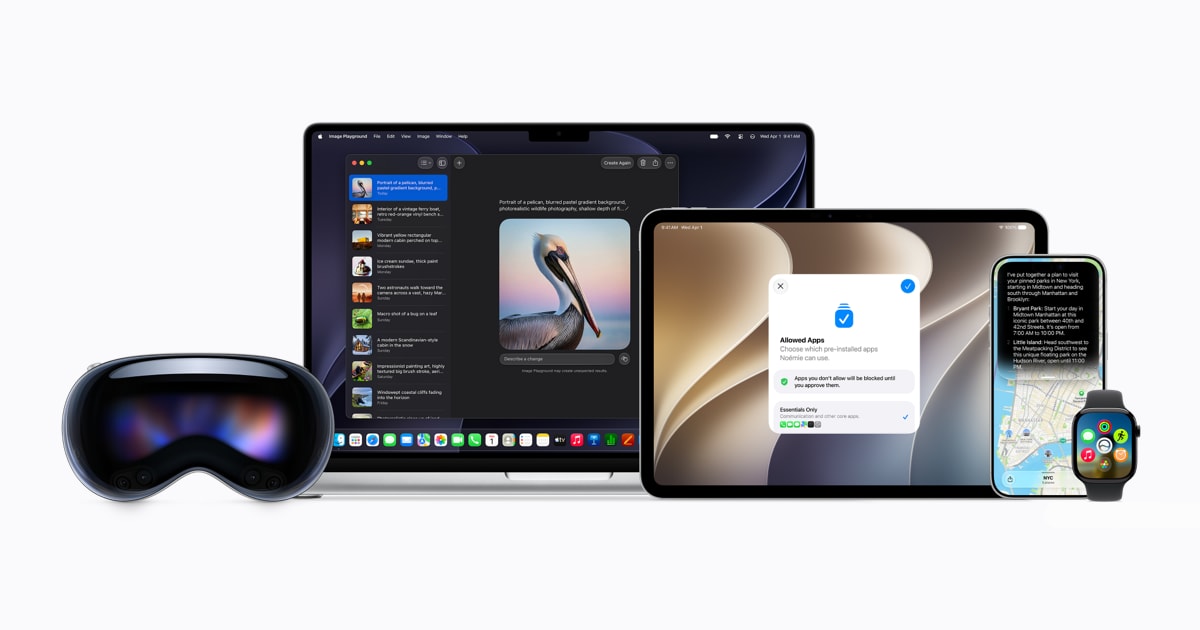
The company’s official WWDC announcement says Siri AI will be able to answer questions about on-screen content, search across apps, and tap into the web for current information. It also gets a dedicated Siri app, with iCloud syncing conversation history across devices, so you can pick up a thread on iPhone, iPad, Mac or Vision Pro without starting over.
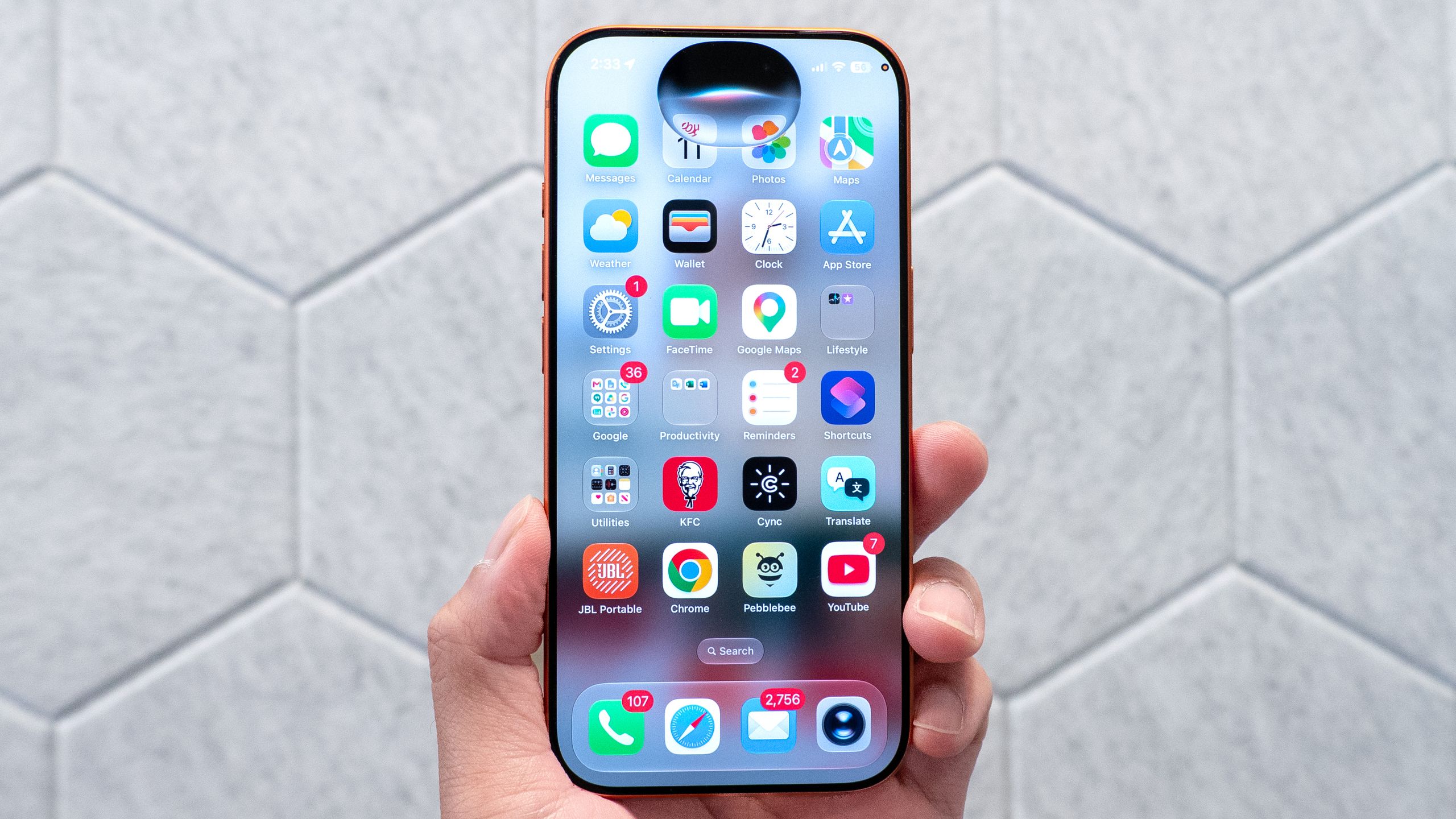
That sounds flashy, but the real ambition is simpler and more useful: less tapping, less app-hopping, fewer moments where the human has to do the job of the software. Anyone who has copied a flight time from email into a text, then switched to Maps or Uber to coordinate pickup, knows the drill. The modern smartphone is powerful, but the experience often feels strangely manual.
Apple’s pitch is that Siri AI can sit above the grid of apps and connect the dots for you. That’s the big idea behind iOS 27 and Apple’s AI reset: not another chatbot novelty, but a system-wide layer that makes the phone feel more coordinated.
Still, there’s a catch. Apple says the new assistant can already search across its own services and use systemwide actions, but the truly useful version of this vision depends on third-party apps. A Siri that can only do a lot inside Apple Mail or Apple Maps is helpful; a Siri that can work cleanly with Spotify, Google Maps, Uber, Slack and WhatsApp would be a genuine shift.
That’s where developers come in. Apple is shipping the developer beta immediately so app makers can start wiring in App Intents and APIs before the fall release. The company can build the model, the interface and the privacy layer. It can’t, on its own, make every app on your phone speak the same language.
And if that sounds familiar, it should. Apple has been here before. The last big Apple Intelligence rollout arrived with plenty of confidence and some very careful stagecraft, but the delivery was slower and narrower than the keynote implied. The difference this time is that Apple is trying to make Siri feel less like a feature and more like infrastructure.
The timing matters too. WWDC26 arrives in a year when AI has become the new battleground for every major platform owner, and Apple’s competitors are already pushing assistants deeper into daily workflows. Google has been reshaping its own AI stack around Gemini, while Android makers are racing to make voice and on-device AI more practical. Apple, by contrast, is trying to do the same thing while still leaning heavily on its privacy-first identity — and, as the industry keeps reminding us, on Google’s Gemini model for parts of its AI foundation.
Beyond Siri AI, Apple’s software update is packed with the kind of detail that tends to get overlooked because it isn’t as dramatic as a new assistant. Apple says iPhone and iPad apps launch up to 30% faster, photos load faster after being taken, AirDrop is quicker, network transitions are smoother, and file browsing on iPad gets a serious speed boost. The company also says it has rebuilt search in Spotlight, Photos and Mail to be more stable and more relevant.
There’s a lighter side to the redesign, too. Liquid Glass gets a personalization slider so users can make the interface more or less tinted, and Mac gets design cleanups that bring back some familiar visual cues. It’s the sort of work that won’t dominate the keynote reels, but it may matter more in daily use than a lot of louder AI demos.
Apple also used WWDC to expand parental controls, with new tools for child accounts, communication approval and time limits across categories like Games, Entertainment and Social Media. That fits neatly into Apple’s long-running pitch that the company can be both cutting-edge and cautious, even as it courts developers with a much more ambitious AI platform.
As ever, the rollout details matter. Apple says the new features are available for testing now through the Developer Program, with a public beta due next month and a full release this fall. Siri AI testing starts first on iOS 27, iPadOS 27, macOS 27 and visionOS 27, with support expanding over time and some features limited by language, region and device.
That leaves Apple with a classic problem: the idea is compelling, the demo is easy to understand, and the real-world version has to be much harder than it looks on stage. If Siri AI can actually jump from asking to doing — across the apps people really live in — the iPhone may finally start to feel less like a beautifully designed filing cabinet and more like a device with a brain. If not, it risks becoming one more very polished promise waiting for developers to do the awkward part.