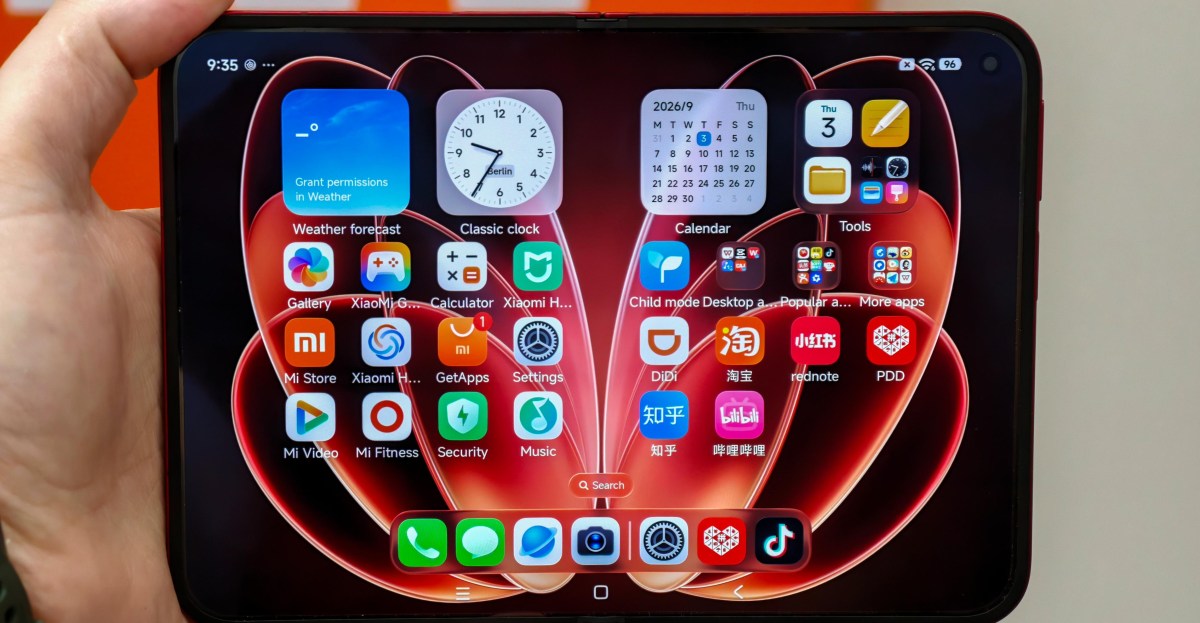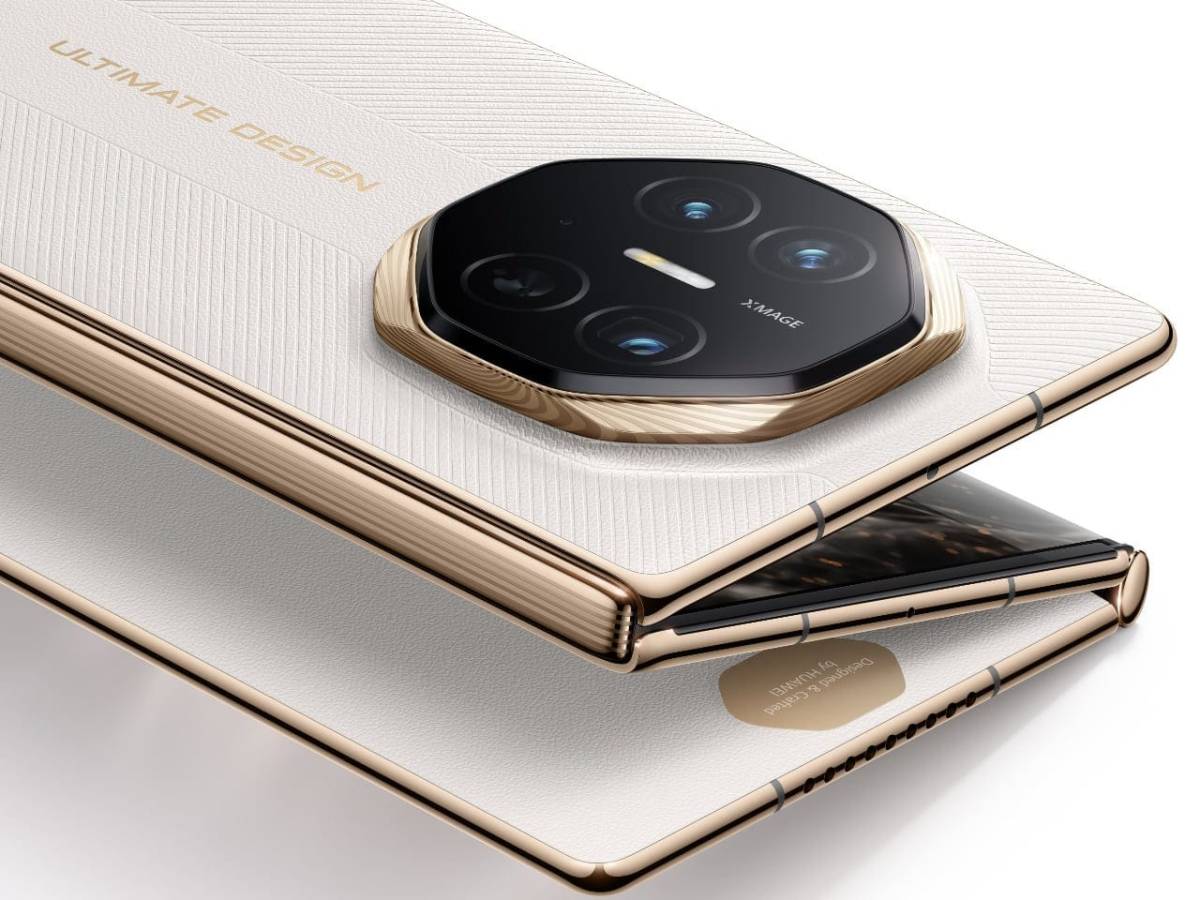
Huawei is about to do something the foldable market rarely gets: stage a proper style war. On September 7, the company is expected to unveil the Mate XT 2, its next tri-fold phone, at the same time Xiaomi launches the book-style Xiaomi 18 Fold in China. Two different folding philosophies, one date, and plenty of attention for both.
Huawei has not published a full spec sheet yet, but the company’s teaser has already given away the biggest change. The Mate XT 2 appears to switch from the original Z-shaped fold to an inward-folding, U-shaped design, a notable shift for a device that already stood out in a crowd of ordinary book folds. That matters because Huawei is not just iterating on a gimmick here; it is refining one of the most unusual phone formats in the market.
The new model is also being tied to some eye-catching hardware rumors. Leaks point to a 6,000mAh battery, and Huawei is reportedly weighing either a Kirin 9050 Pro or Kirin 9030S chip. The camera system is expected to stay close to what Huawei used in the Mate X7, which suggests the company is keeping the imaging side fairly familiar while reworking the folding mechanism itself. There are also whispers of premium touches like a privacy screen feature that could outdo even Samsung’s latest flagships, which would fit Huawei’s habit of packing in some very specific hardware flourishes. That kind of detail echoes the company’s broader foldable push, seen in its wider-fold ambitions elsewhere in the market, where screen shape is becoming as important as raw specs.
What makes the timing interesting is that Huawei is not launching into a vacuum. Xiaomi is preparing the 18 Fold for the same day, and unlike Huawei’s tri-panel design, Xiaomi is taking the more traditional book-style route. In other words, buyers in China are about to get a head-to-head comparison between the “tablet in your pocket” approach and Huawei’s more ambitious three-panel layout. Huawei’s approach should open up a larger display, but it also brings more hinges, more complexity and, inevitably, more questions about durability and pricing.
Huawei has kept the full details under wraps, so the usual unknowns still hang over the launch: final dimensions, camera changes, battery life in real use, and how much this thing will cost. The device’s predecessor already showed that Huawei is willing to take big swings in foldable design, and the Mate XT 2 looks like another attempt to push the category beyond the familiar inward-folding book format.
For Huawei, though, the bigger story may be less about competing with Xiaomi for one launch day and more about keeping its own foldable identity intact. The company still has no official smartphone retail presence in the U.S. thanks to years of trade restrictions and security disputes, a reality that has shaped everything from its Google-free phones to the way it markets hardware abroad. So while global attention may be fixed on the Mate XT 2, the people most likely to actually buy it will probably need to be in a market where Huawei sells phones directly.
That regional limitation is part of the reason Huawei’s launches feel so distinct. They are not trying to win over every market. They are trying to make a statement where they can. And with the Mate XT 2, that statement looks to be equal parts engineering flex and design provocation — exactly the kind of move that keeps foldables interesting, even when the rest of the phone world starts to feel a bit samey.
If Huawei does deliver a sharper inward-folding tri-panel design, it will also add more pressure to rivals already experimenting with broader, more unusual shapes. Samsung’s own Galaxy Z TriFold experiment showed how hard this category is to sustain, while the company’s newer privacy-display ideas hint that even slab phones are borrowing from foldable-style innovation. Huawei, meanwhile, seems content to keep running in the opposite direction: bigger, stranger, and more unapologetically foldable.