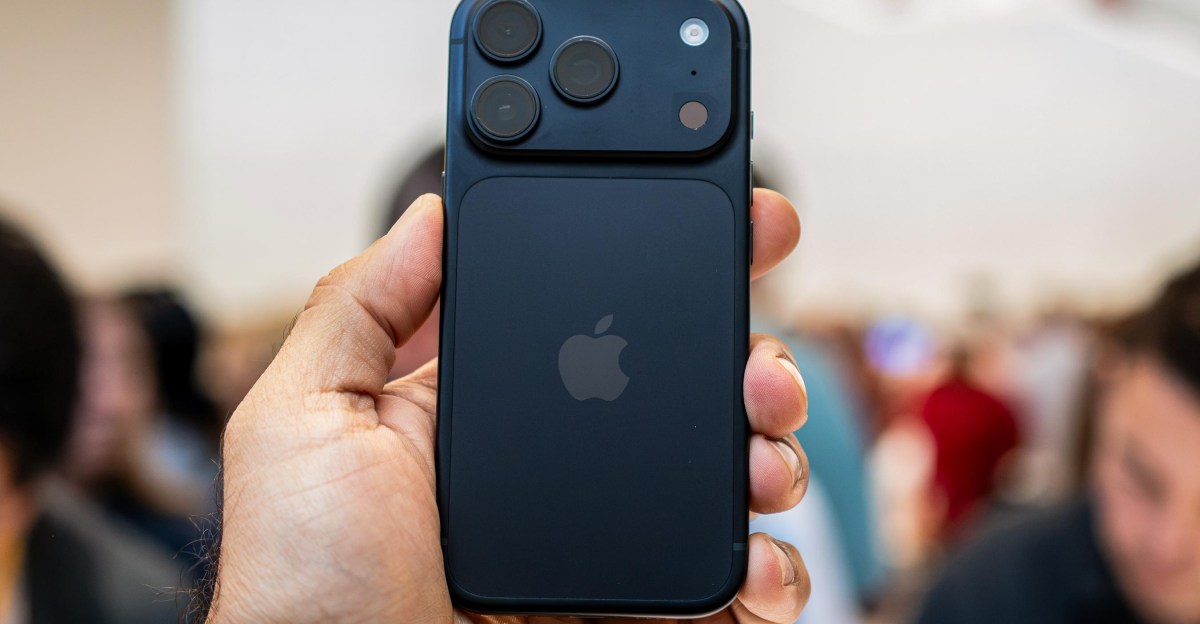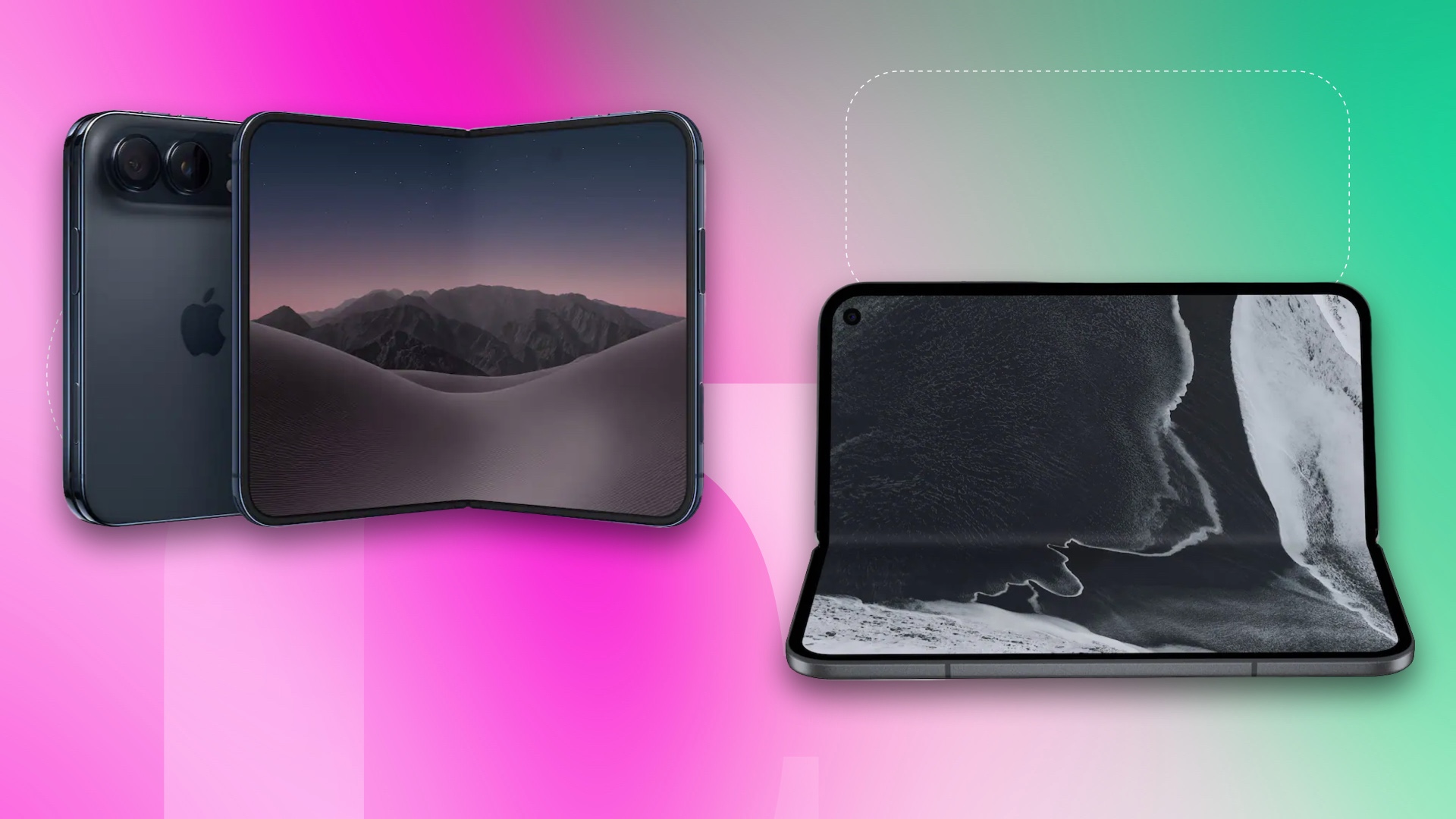
Apple’s first foldable phone doesn’t look like a stunt. That may be the biggest surprise.
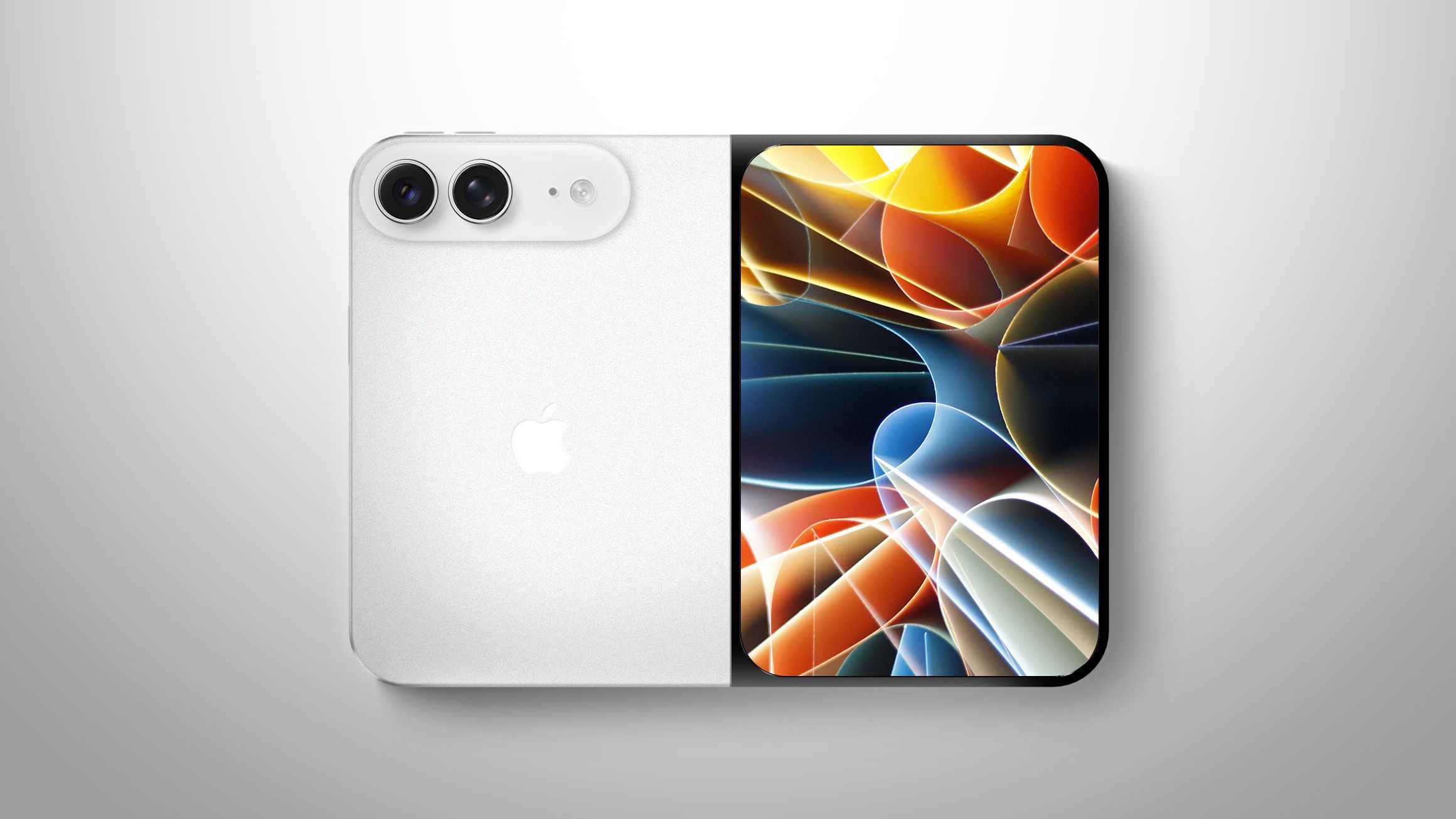
The iPhone Duo arrived this week with the kind of polish Apple likes to reserve for products it expects people to actually use, not just admire in a keynote montage. It starts at $1,999, folds into a compact passport-style shape, and brings with it something foldables have long promised but rarely delivered: a sense that the device might survive real life.
That durability angle matters. Foldables have spent years fighting two battles at once — one against their own creases, hinges and fragility, and another against the suspicion that they’re expensive gadgets in search of a reason to exist. Apple’s answer is to lean hard on premium materials, an IP68 rating, and a matte inner display that reduces glare and softens the crease. Google’s Pixel 11 Pro Fold also carries IP68 water and dust resistance, which keeps the competition interesting, but Apple clearly wants buyers to see the Duo as a more confidence-inspiring leap.
The result is a phone that feels less experimental than expected. It opens to a 7.6-inch inner display, has a 5.4-inch outer screen, and uses a design that’s closer to a small tablet when unfolded. The shape is unusual, but not awkward. In use, Apple seems to be betting that a smaller cover screen and a wide internal panel will appeal to people who split their time between video, reading, messaging and the sort of multitasking that feels natural on a bigger canvas. That’s a different philosophy from the Pixel 11 Pro Fold, which keeps a more conventional slab-phone feel on the outside and turns into a larger, more traditional book-style foldable when opened.
The comparison says a lot about where the market is headed. Apple is chasing versatility; Google is refining familiarity. And if you’ve been following the broader foldable race, you can see the same tug-of-war playing out elsewhere. Samsung has spent years proving that foldables can be practical, and its latest privacy-focused display experiments show how the category keeps evolving around everyday concerns rather than pure spectacle.
Apple’s first swing also borrows a few lessons from its own ecosystem. The Duo supports two apps side by side, app handoff between screens feels quick, and the company has even added stylus support through the USB-C Apple Pencil. That last part is a little unexpected and, frankly, one of the more intriguing choices Apple made. A foldable that doubles as a pocket notebook has a clearer use case than a foldable that simply folds for the sake of folding. It also ties neatly into Apple’s long-running effort to make its devices better at the little things, the kind of polish that has shown up in recent iOS feature updates and quiet workflow improvements.
The camera setup follows the same practical logic. Apple gave the Duo a 48-megapixel main camera and a 48-megapixel ultrawide, along with preview features that let the subject see themselves on the outer screen before a shot is taken. There’s also Kid Cue, which uses playful animations to get children looking at the camera. It’s not a giant camera system, and there’s no telephoto lens, but Apple seems to be optimizing for the kinds of photos foldable owners actually take: selfies, family shots, quick previews and casual rear-camera use with a screen facing outward.
Google still has the more flexible rear camera array on paper, with a telephoto lens on the Pixel 11 Pro Fold, and that may matter to people who care about zoom. But Apple’s presentation makes it clear that it wants the Duo’s camera tricks to be part of the foldable experience, not just a spec sheet footnote.
Performance details are still incomplete in the real world, but the specs are unmistakably flagship-grade. Apple’s new A20 Pro chip runs the Duo, while Google’s Tensor G6 powers the Pixel 11 Pro Fold with 16GB of RAM. Battery claims are similarly ambitious. Apple says the Duo can last up to 24 hours when both displays are in use, with fast charging that can reach 50% in about 20 minutes using a 60W adapter or higher. The Pixel 11 Pro Fold has a 4,806mAh battery and supports 30W wired charging, which Google says gets it to 55% in 30 minutes.
That’s the part of foldable ownership people often gloss over until they’ve actually lived with one: once you start moving between outer and inner screens all day, power management matters more than the party trick. It’s also why Apple’s emphasis on Qi2, built-in magnets and fast charging is a smart move. These devices are meant to be touched, opened, propped up, handed around and used constantly. Anything that reduces friction counts.
There’s one major trade-off that will divide people fast. Apple chose Touch ID instead of Face ID for the Duo. That’s not a small footnote; it’s a philosophical change for a company that has spent years making facial recognition feel central to the iPhone experience. If you’re already deep into the Apple ecosystem, you may shrug. If Face ID is non-negotiable for you, the Duo suddenly becomes a harder sell.
Still, Apple appears to have designed this foldable with a very specific idea in mind: the phone shouldn’t feel like a compromise when folded, and it shouldn’t feel like a gimmick when opened. In that sense, the iPhone Duo is more interesting than the usual “Apple is late” debate suggests. Samsung has already started poking fun at the launch with “welcome to foldables” marketing, but Apple’s timing may actually help it. The company gets to arrive after the category has been tested, refined and, in some cases, publicly embarrassed by early hardware missteps. That delay has often been Apple’s playbook, and the company’s foldable rumors have been building for months anyway.
The bigger question is less about whether Apple can make a foldable and more about whether it can make one that feels worth carrying every day. On paper, the Duo has a stronger case than most first-generation devices: premium materials, serious water and dust resistance, a display that seems tuned for actual reading and streaming, and the kind of app behavior Apple tends to make feel effortless. It also has the price to match the ambition, with storage tiers that climb steeply all the way to a 2TB model.
That makes the target audience pretty clear. This is not meant to be a mass-market iPhone replacement. It’s for early adopters, Apple loyalists, and people who have already convinced themselves that one device can replace both a phone and a small tablet. In that sense, the Duo lands in the same conversation as Apple’s other high-end hardware bets — expensive, polished, and very intentional about who it’s for.
For everyone else, the Pixel 11 Pro Fold remains the more straightforward choice. It behaves more like a familiar smartphone when closed, opens into a roomier display, and keeps Google’s software strengths intact. If you want a foldable that stays close to the slab-phone experience, that may still be the safer bet. If you want Apple’s version of a pocket-size multitasker — and you’re willing to pay for the privilege — the Duo is the boldest thing the company has launched in years.
And maybe that’s the real shift here. Foldables used to be the phones people showed off to prove they liked gadgets. The iPhone Duo tries to be the kind of foldable you might actually live with.