Apple’s WWDC 2026 message was pretty clear: the next version of iPhone software is going to feel faster, smarter and a lot more personal — if you have the right hardware.
The company has already pushed out the first developer betas for iOS 27, iPadOS 27 and macOS 27, along with matching previews for watchOS, tvOS and visionOS. If you’re enrolled in Apple’s Developer Program, you can grab them now through the software update menus on each device. Public betas should arrive later this summer, with final releases expected in the fall.
That alone would make this a typical post-keynote rollout. But Apple paired the betas with a wider pitch: iOS 27 isn’t just about new features, it’s also about making older devices feel less sluggish. Apple says the update brings a new CPU scheduler to iPhones as old as the iPhone 11, a move that should improve responsiveness when the phone is juggling multiple tasks at once. It’s part of a broader performance push that also promises app launches up to 30% faster and AirDrop transfers up to 80% faster.
There’s a catch, of course. Not every feature will land on every device.
Siri gets the headline treatment
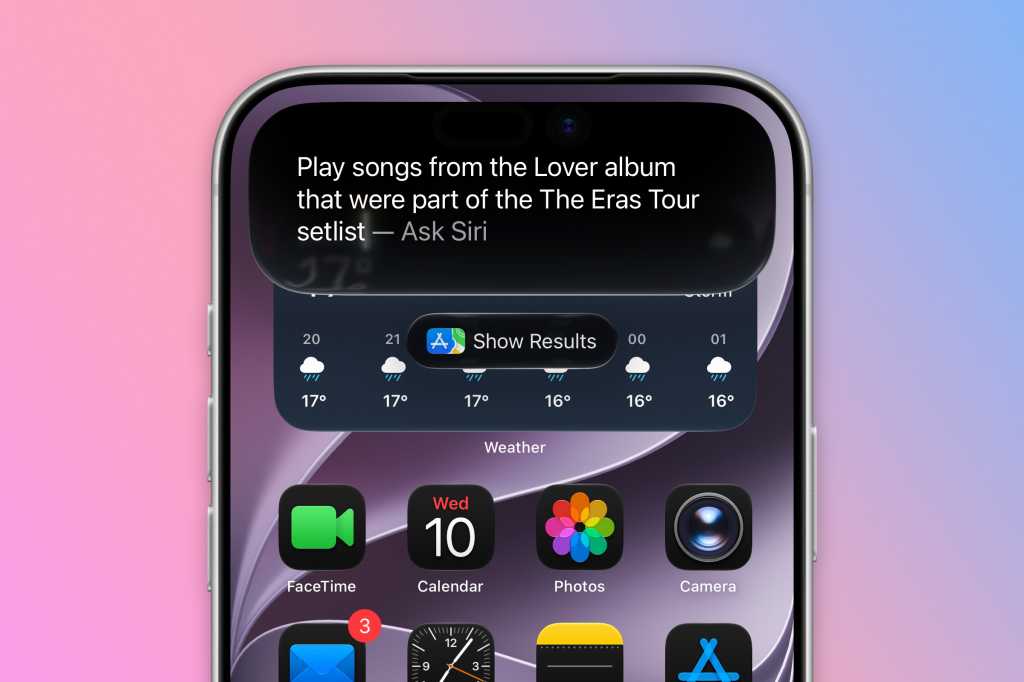
Apple spent a lot of time talking about the AI overhaul inside Siri, and that’s the change most likely to shape how people think about iOS 27. The new Siri AI is meant to be more conversational and more useful inside everyday apps. Apple says it can handle actions in Messages, Music and Reminders, and it can be summoned in new ways from the iPhone interface.
It also gets its own standalone app, which makes the assistant feel closer to a true chatbot than the old voice helper Apple users have tolerated for years. You’ll be able to see past conversations, pin them for later and continue them across devices. That cross-device continuity is a subtle but important move, especially for people who bounce between iPhone, iPad and Mac all day.
Apple is also pushing Siri into the camera experience. In a new Camera mode, you’ll be able to point your phone at something in the real world and get contextual information back. The company didn’t spell out every use case in excruciating detail, but it’s another sign that Apple wants its assistant to be more ambient and less voice-command-only.
That broader Siri push lines up with the company’s ongoing attempt to turn Apple Intelligence into something more than a buzzword. We’ve already seen the first hints of Apple’s standalone Siri redesign, and iOS 27 looks like the point where those ideas start to feel concrete rather than promotional.
A few quality-of-life upgrades that may matter more day to day
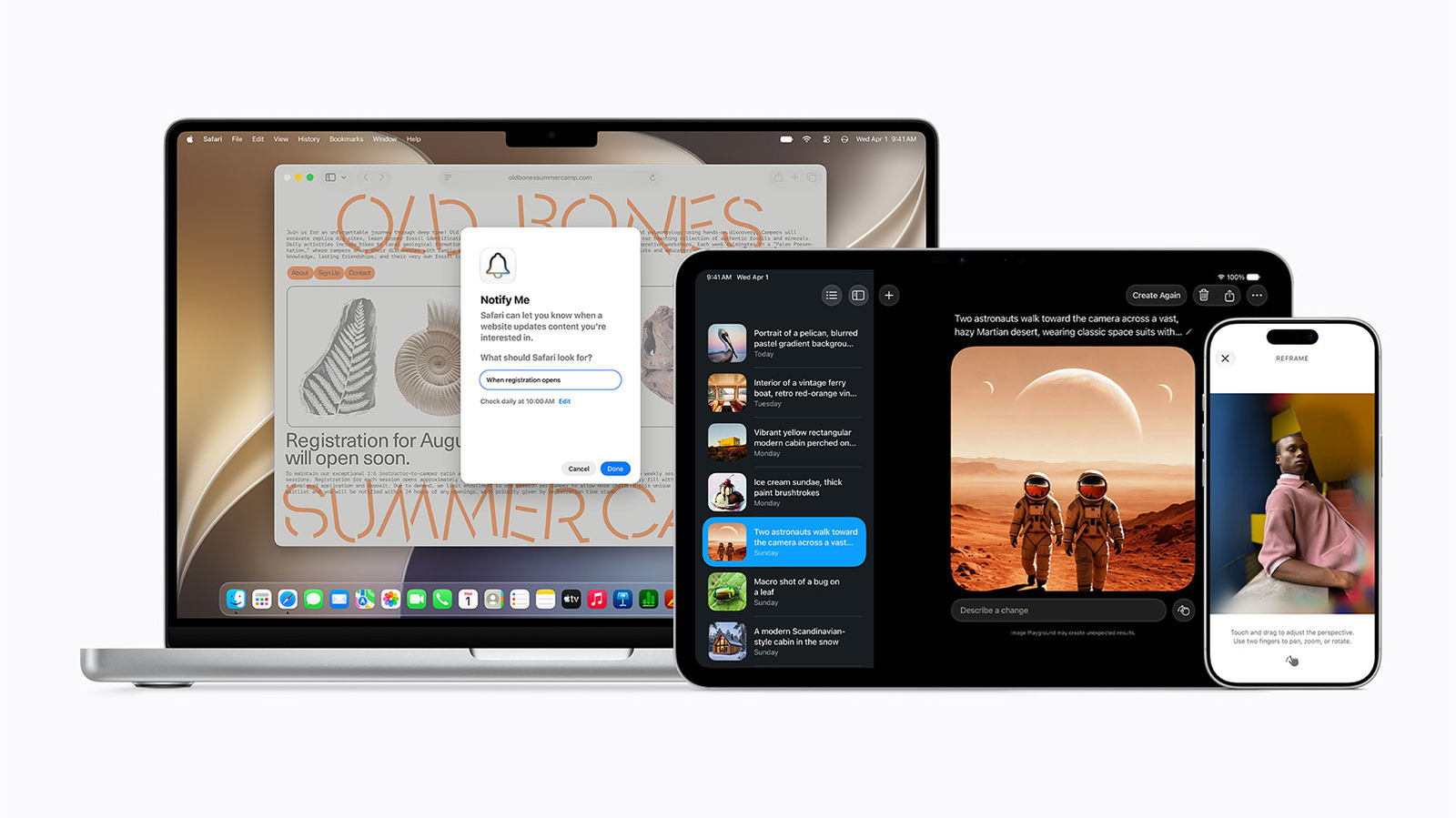
Not every addition is a flashy AI demo. Apple says the Image Playground app will now be able to generate more photorealistic images, which should make the company’s image tools feel less toy-like and a little closer to what users actually expect from modern AI generators.
There’s also a new Liquid Glass slider, which lets you tune the look of Apple’s translucent interface elements from ultra clear to tinted or somewhere in between. That may sound cosmetic — and it is — but it also shows Apple is still tweaking the visual language it introduced last year. For users who liked the design but found it a bit much in practice, more control is a welcome move. Related improvements in the same design family have already shown up in iOS 26’s quieter workflow fixes, so this isn’t Apple abandoning polish in favor of novelty.
Health is getting a meaningful update too. Apple says cycle tracking in the Health app will now support menopause and perimenopause, with symptom logging and educational material built in. It’s not the kind of announcement that drives keynote applause, but it will matter to a lot of people in everyday use — and that’s usually where the best software updates earn their keep.
The beta starts now, but not all features do
Apple’s developer betas are mostly for app makers who need to get their software ready before the public launch, though plenty of enthusiasts will poke around early anyway. If you do, back up your device first. Betas are betas for a reason, and Apple has given no reason to think this release cycle will be any gentler than usual.
The most important detail for most users is timing: Apple says the public beta should arrive in July, and the full release will follow in the fall. That fits the company’s usual rhythm, but the hardware story is a little broader this year because Apple is trying to sell iOS 27 as both an AI upgrade and a performance win.
That dual pitch also helps explain why the company made such a point of saying older devices will still benefit. The iPhone 11 may not get the full Siri AI experience — those capabilities are reserved for newer Apple Intelligence-capable devices, with some of the most advanced features tied even more tightly to newer hardware — but it should still get a faster, smoother OS overall. For buyers and upgraders, that’s a useful reminder that support and feature parity are not the same thing.
Apple’s beta rollout is happening alongside a broader platform refresh across its ecosystem, including faster new OS builds for iPad, Mac, Apple Watch, Apple TV and Vision Pro. On the iPhone side, though, the story is simple enough: iOS 27 is Apple’s attempt to make the phone feel more capable without making the experience feel more complicated.
That’s a tricky balance, and we’ll get a better sense of how well Apple pulled it off once public testers start living with the bugs, the battery quirks and the first real impressions outside Cupertino.