Apple still hasn’t said the words out loud, but its software may have done it for them.
With the iOS 27 beta now in developers’ hands after WWDC 2026, multiple clues buried in the code are pointing toward a foldable iPhone that’s looking less like a rumor and more like a device Apple is actively preparing to ship. The most telling references are internal terms such as “foldState,” “angleDegrees” and “mechanicalAngleDegrees,” which suggest the system can tell whether the device is folded, unfolded or sitting somewhere in between.
That alone would be eyebrow-raising. Add in references to a secondary display, cover glass and extra light sensors in Apple’s display repair tools, and the picture gets harder to dismiss. This doesn’t read like generic future-proofing. It reads like software built around hardware with a hinge.
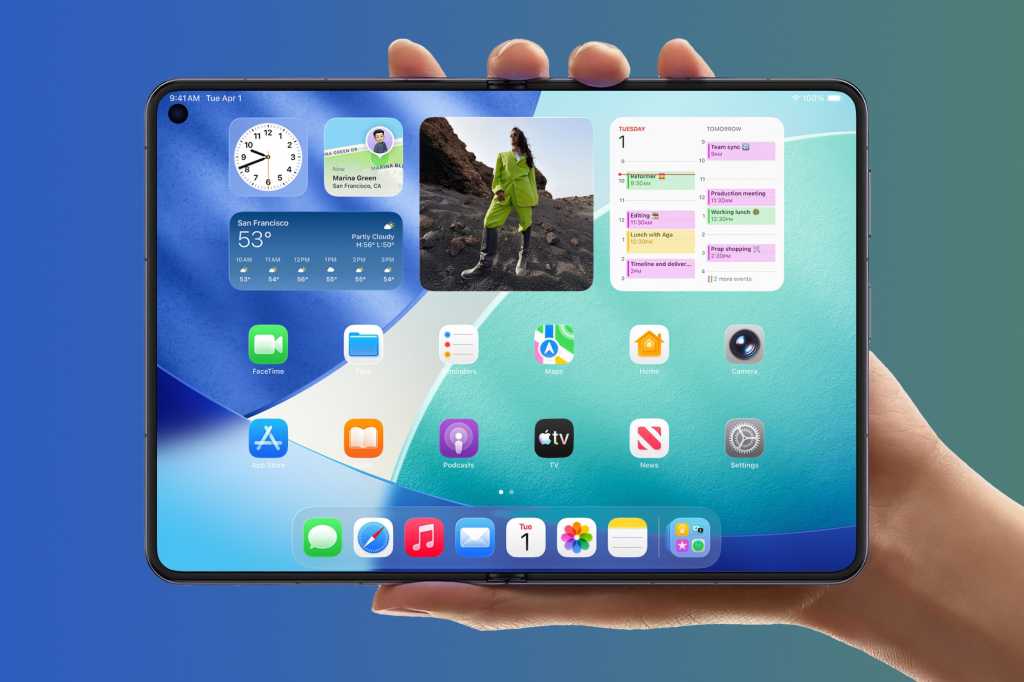
The findings line up with what several Apple-watchers have been saying for months. Mark Gurman noted that the hints in iOS 27 and macOS Golden Gate are unusually direct, while developer Sam Henri Gold pointed to code that appears to check the total number of built-in displays on a device — a strange thing to do on any current iPhone, which only has one. That detail fits neatly with the long-running foldable narrative, especially the versions of the device said to include an outer screen for everyday use and a larger inner panel when opened.
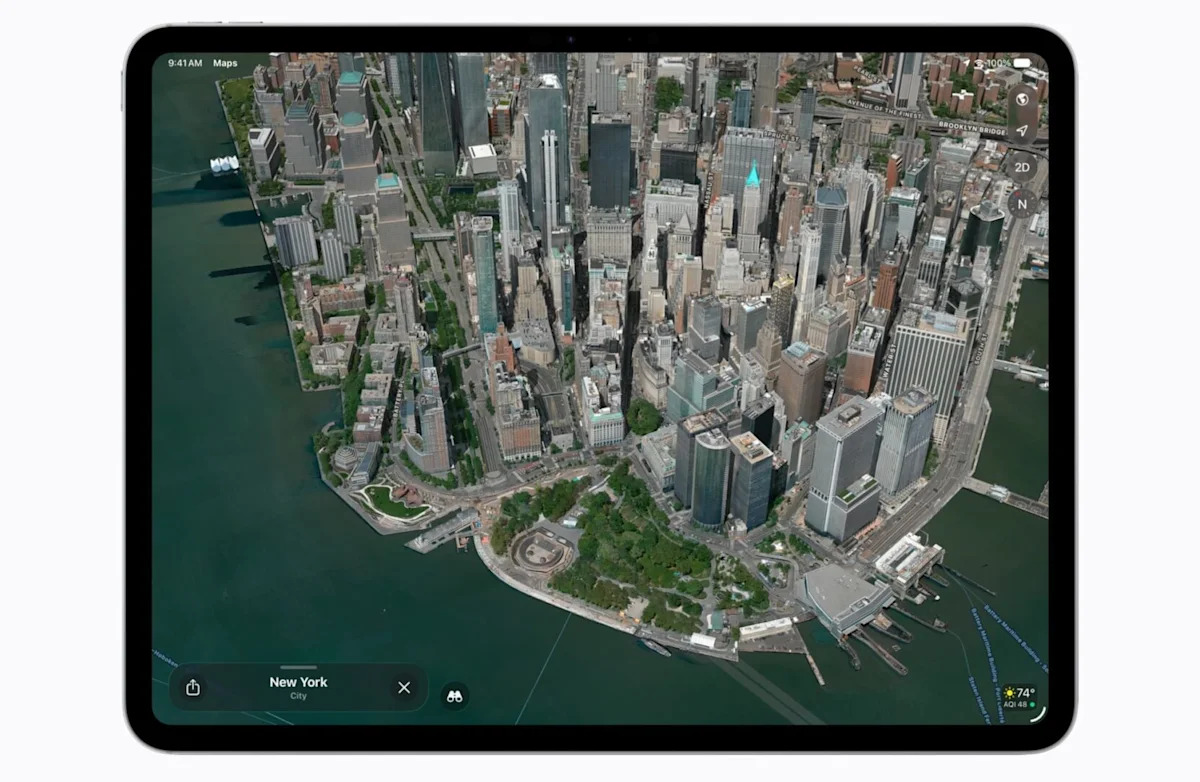
Apple has also been pushing developers in the same direction. During WWDC sessions, the company emphasized building apps that adapt cleanly across different screen sizes and aspect ratios rather than assuming fixed layouts. On its own, that sounds like standard platform guidance. In the context of fold-related APIs, it feels more pointed. macOS Golden Gate now lets users resize iPhone mirroring windows more freely too, making the iPhone-on-Mac experience look a lot more like working with an iPad-sized canvas.
It’s not the first time Apple has quietly laid the groundwork before a major hardware shift. The company did something similar before the iPhone 6 era, encouraging more flexible app design ahead of bigger displays, and again in the years before Vision Pro, when spatial-computing tools started appearing long before the headset was public. The pattern matters because Apple rarely improvises a new product category at the last minute. It softens the software first.
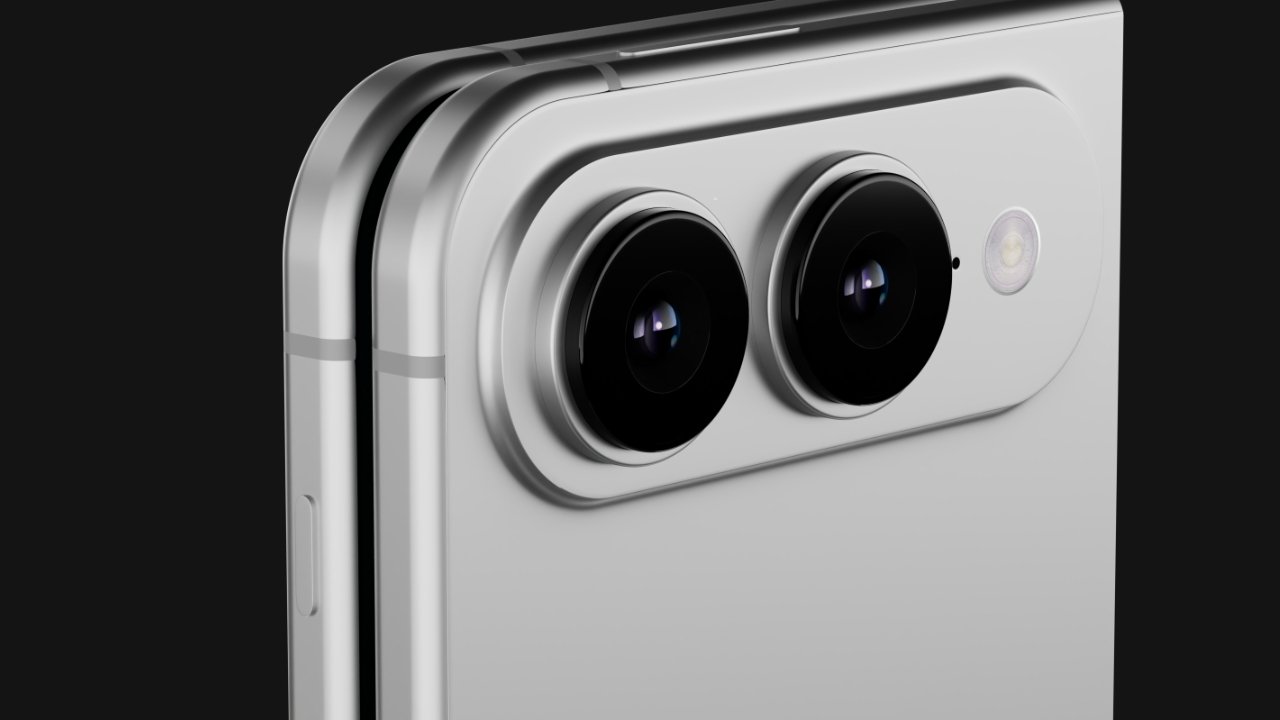
The hardware rumors have been getting more specific too. Early leaks and dummy units suggest a wide folded front screen that opens into something closer to an iPad mini-sized display. One recent set of images, including new dummy-unit photos, shows the device in both folded and unfolded states, with a horizontal dual-camera layout on the back and a selfie camera on the inner screen. Other reports say Apple may skip Face ID entirely on this model and use Touch ID instead, a choice that would be unusual but not impossible for a foldable design where under-display components and hinge constraints complicate things. We’ve already seen Apple’s broader iPhone lineup heading toward more ambitious shapes, with iPhone 18 Pro leaks pointing to a slimmer Dynamic Island and bigger battery ambitions.
The rumored name is still in flux. Some reports call it iPhone Fold, while others say Apple may go with iPhone Ultra. Either way, the launch chatter is converging on the same idea: a premium foldable, likely announced alongside the iPhone 18 lineup this fall and priced around $2,000. That would put it firmly in ultra-premium territory, closer to a statement device than a mainstream one.
There’s still room for skepticism, of course. Apple tests a lot of hardware that never ships, and hidden code can be a false trail. But these clues don’t feel random, especially when they line up with earlier foldable iPhone reports, leaked dummy units, and the company’s own developer messaging. Apple is doing what Apple usually does before a new category arrives: quietly making sure the software looks ready long before the keynote does.