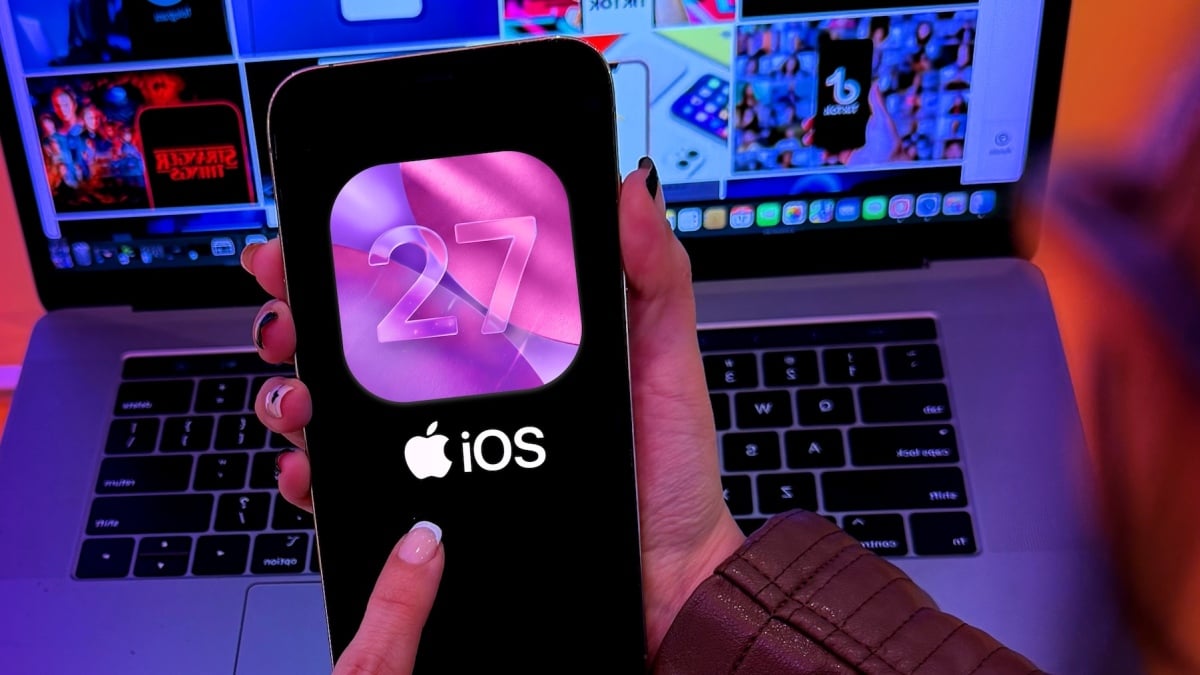
Apple’s next major iPhone software update may draw a line under an era that still feels fairly recent: the iPhone 11 family.
According to a report from well-known Weibo leaker Instant Digital, iOS 27 will be compatible with the iPhone 12 lineup and newer, which would mean the iPhone 11, iPhone 11 Pro, iPhone 11 Pro Max, and second-generation iPhone SE miss out on the upgrade. The good news, if you’re holding onto one of those phones, is that Apple would still be expected to keep shipping iOS 26 security updates for years.
That’s the familiar Apple pattern. Major releases eventually stop for older devices, but security support tends to linger well beyond the end of feature updates. For people still using an iPhone 11 today, that soft landing matters more than a flashy new Siri button.
The likely compatibility list
If the rumor holds up, iOS 27 should support every iPhone from the iPhone 12 mini onward, plus the third-generation iPhone SE. That includes Apple’s current and expected 2026- and 2027-era lineup, from the iPhone 17 family down through the iPhone 12 series.
The models reportedly left behind are:
- iPhone 11
- iPhone 11 Pro
- iPhone 11 Pro Max
- iPhone SE (2nd generation)
That would mark a pretty clean cutoff, and one that lines up with the way Apple usually trims support when a new software cycle gets more demanding.
There’s another reason the iPhone 15 Pro keeps popping up in all of this. Apple Intelligence features — including anything new tied to the company’s AI push — are still expected to require an iPhone 15 Pro or later. So even if your older iPhone can run iOS 27, it may not get the headline AI features Apple is about to showcase.
That’s part of the broader story heading into WWDC on June 8. Apple is expected to introduce iOS 27, iPadOS 27, and macOS 27 at the keynote, with developer betas landing the same day and public betas following in July. The final releases should arrive in September.
Siri is the real headliner
This year’s software cycle is shaping up to be less about flashy visual changes and more about Apple trying to make Siri genuinely useful again. The company has been working toward a smarter assistant for years, and the latest reporting points to a dramatic overhaul: personal context, onscreen awareness, deeper app control, and a much more conversational interface.
In practice, that could mean Siri reading across your emails, messages, photos, files, and notes to answer questions like where a document came from or which book a friend recommended. It’s also expected to understand what’s on your screen, which would make actions like forwarding a photo or saving an address much more natural. Apple is even planning a standalone Siri app and chatbot-style redesign, which tells you how far the company is willing to push the assistant beyond its old voice-command roots.
Apple’s larger AI effort still has a catch, though: the most advanced features are likely to be restricted to newer hardware. That’s the same basic split we’ve already seen with Apple Intelligence, and it won’t surprise anyone if the iPhone 15 Pro becomes the minimum ticket for the best Siri experience in iOS 27.
A familiar Apple cull, but a bigger AI divide
The end of support for the iPhone 11 would not be shocking on its own. Those phones are now several generations old, and Apple has a long record of stretching support as far as it reasonably can. What makes this year more interesting is the gap between “can install the update” and “can actually use the new features.”
That gap is getting wider across Apple’s platforms. The same WWDC cycle is expected to bring major Siri changes, third-party AI extensions, and more flexibility in how users route requests through services like ChatGPT, Claude, or Gemini. It all sounds ambitious, but it also underscores a reality Apple can’t dodge: modern AI features are hardware-hungry.
That tension is already becoming a theme in Apple coverage. The company’s software roadmap, from a stability-focused iOS 27 to the rumored Siri revamp, suggests Apple wants this release to feel polished rather than chaotic. At the same time, it’s pushing hard into AI at the exact moment some older iPhones are likely reaching the end of the road.
We’ll know much more once Apple takes the WWDC stage next Monday. For now, the rumor mill is pointing to a relatively clear message: if you’re on an iPhone 12 or newer, you should be fine for iOS 27. If you’re still carrying an iPhone 11 or a second-gen iPhone SE, the next version may be the one that finally leaves you behind.