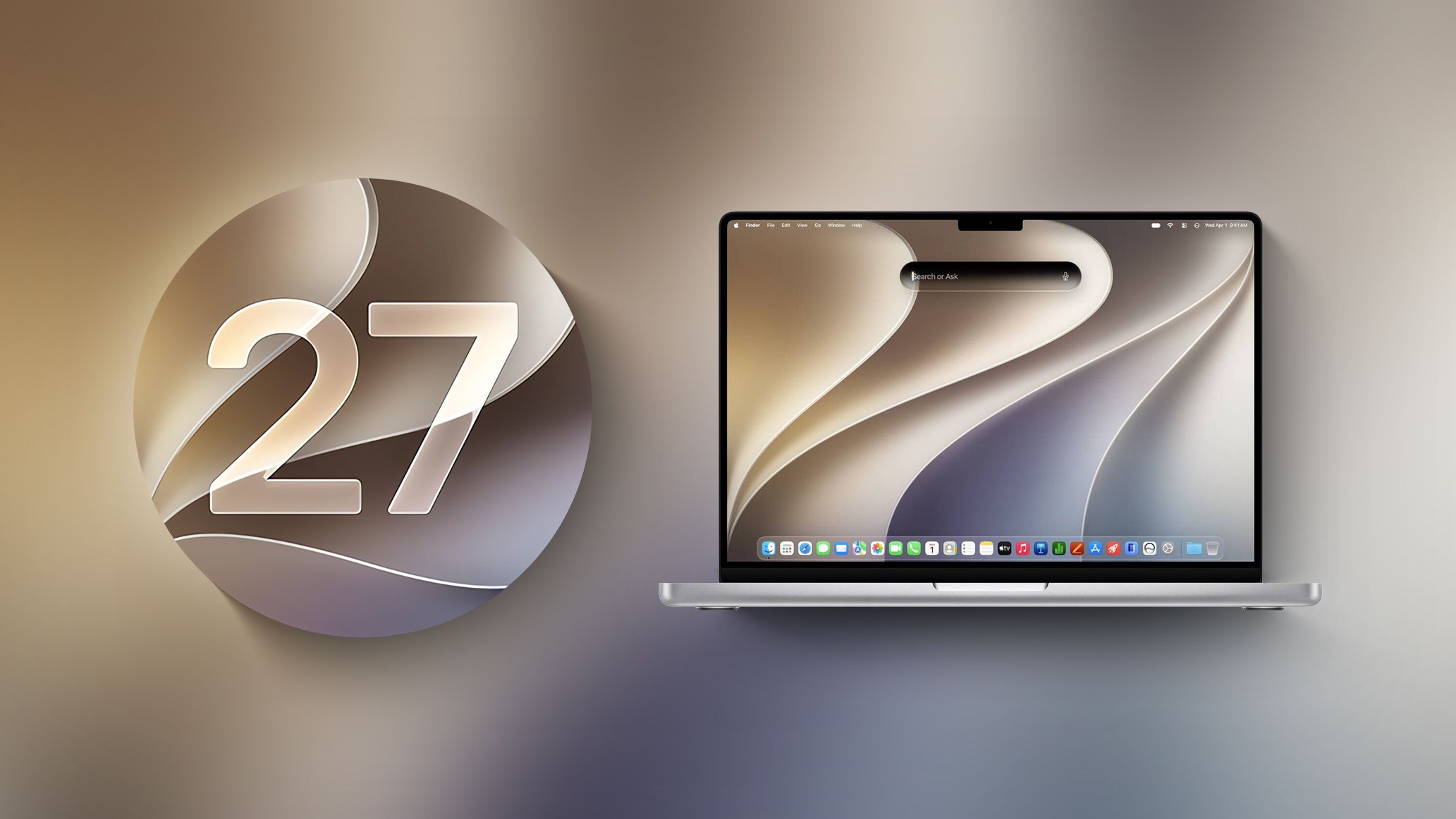
Apple has pushed the latest wave of iOS 27 and iPadOS 27 public betas into testers’ hands, alongside fresh builds for macOS 27 Golden Gate, tvOS 27, watchOS 27, visionOS 27 and HomePod software. The new public releases follow the seventh round of developer betas, and they don’t appear to introduce any flashy new tricks. This is the part of the cycle where Apple starts sanding down rough edges rather than showing off.
That makes sense. With a fall release only a few weeks away, the company is clearly in bug-fix mode. The public beta builds line up with the developer versions, and early reports suggest the focus is on stability, polish and general cleanup rather than headline-grabbing changes. If you were hoping for a dramatic new feature drop, this isn’t that kind of update.
Still, iOS 27 remains one of Apple’s more consequential software cycles in years. The big story is the broader AI push that runs across Apple’s platforms. Siri is expected to get a major overhaul in the finished release, moving closer to a chatbot-style assistant that can combine on-screen awareness, personal data and general knowledge. Apple has already been testing the new direction in other betas, and the company seems to be positioning it as a central part of the next software generation rather than a side feature. Our earlier coverage of Siri’s redesign and standalone app plans shows just how much the assistant is changing under the hood.
For anyone enrolled in Apple’s Public Beta program, installing the update is straightforward. You sign up at beta.apple.com, make sure the same Apple Account is used on your device, then head to Settings > General > Software Update > Beta Updates and pick the iOS 27 public beta. Apple still recommends doing this on a secondary device, which is the usual sensible advice; beta software is beta software, and surprises are part of the deal.
The timing matters because Apple is trying to land a fairly large number of moving parts at once. iOS 27 isn’t arriving in a vacuum. macOS Golden Gate is also moving through late-stage testing with visible design refinements, and Apple is spreading the same visual and AI themes across its ecosystem. On the Mac side, that includes the new Liquid Glass treatment, a more readable interface, and a stronger emphasis on AI-powered features like Siri AI, Visual Intelligence and writing tools. Mac users have already been watching those changes mature in macOS Golden Gate beta 7, which gives a sense of where Apple wants the whole platform family to land.
One of the more interesting parts of this beta cycle is how much Apple seems to be listening to reaction from earlier releases. The design language across iOS 27 and macOS 27 has drawn mixed opinions, and Apple has already been tweaking readability and visual clarity rather than simply doubling down on the original look. That kind of adjustment often says more than any press-event demo ever could. It suggests Apple knows this is a delicate transition: the company wants the system to feel fresh without making it annoying to use.
For now, testers probably won’t find much beyond the usual quiet beta churn. But in Apple’s current software roadmap, the absence of obvious changes is itself the point. The real work is happening in the background: making sure the new UI behaves, making sure the AI layer doesn’t feel bolted on, and making sure the whole thing ships without embarrassing bugs. That’s not glamorous, but it’s the difference between a bold update and a messy one.
If you’ve been following Apple’s recent software releases, this feels like the same steady rhythm. A few useful features here, some design cleanup there, and a lot of invisible work to make the next wave of Apple Intelligence feel less like a promise and more like a product. Recent updates such as iOS 26.5’s encrypted RCS rollout and iOS 26’s quieter quality-of-life fixes show how Apple has been building toward this moment in stages.
By the time iOS 27 reaches everyone this fall, the polished AI pieces should matter far more than whatever tiny toggle changed in today’s beta. That’s the version Apple wants people to notice: not a beta full of spectacle, but a release that feels more capable the longer you live with it.