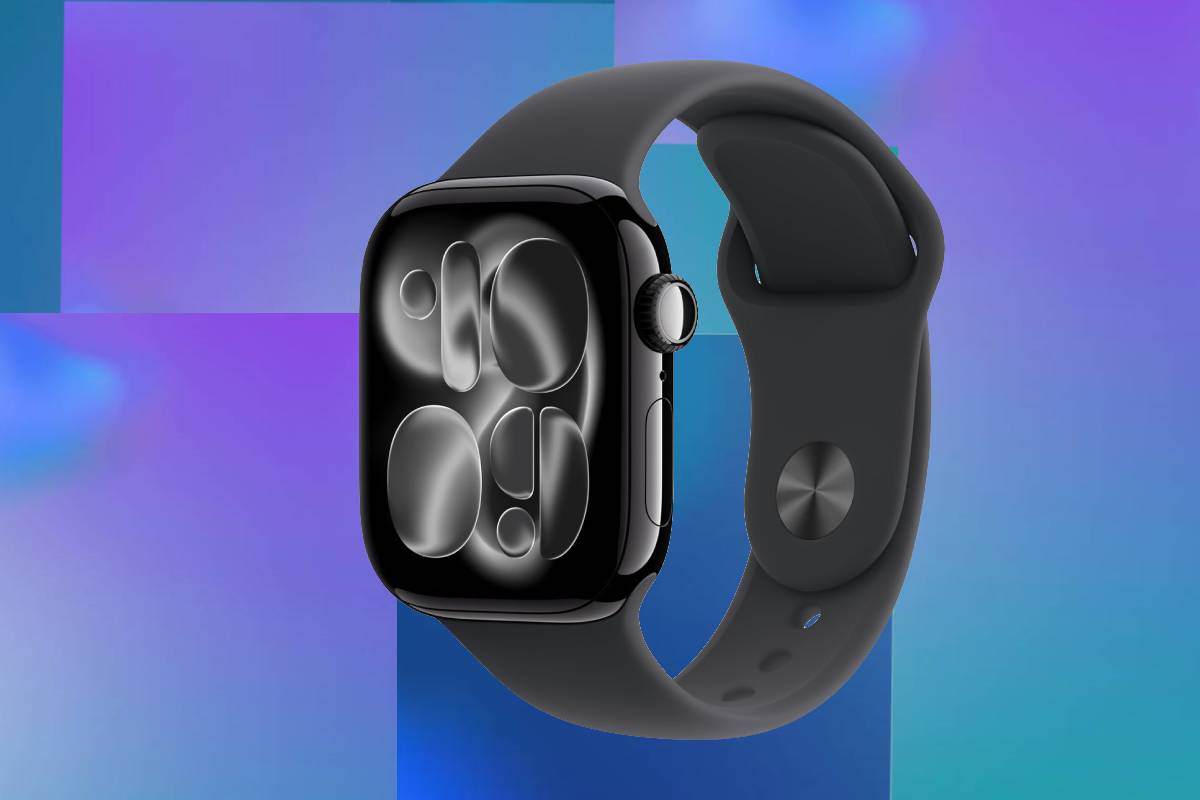
Apple’s newest Apple Watch software update is arriving with a sharper edge than usual. watchOS 27 brings a batch of genuinely useful upgrades — including Siri AI on the wrist, a new tap gesture, smarter app suggestions, and tweaks to fitness and tracking — but it also shuts the door on a long list of older models.
The Series 6, Series 7, Series 8, Apple Watch SE 2, and the original Apple Watch Ultra will not get watchOS 27. In practice, that means they’ll miss the headline features this year and settle for security support instead. For anyone still wearing a 2022 Ultra, that’s a particularly tough pill to swallow. Apple’s first premium rugged watch was expensive when it launched, and now it’s already out of the software club.
Why Apple drew the line here
Apple says the decision comes down to power and performance. In an interview with TechRadar, Apple Watch and Health Product Marketing Manager Cait Dooley said the company wants users to have “the best experience” across its platforms, which means the latest features have to run well, not merely run.
That’s the real dividing line with watchOS 27. Apple’s new Siri AI experience is designed to feel fast and consistent whether you start on your wrist or continue on your phone. But that kind of responsiveness apparently depends on newer hardware — specifically Apple Watch Series 9 and later, Ultra 2 and later, and the new SE 3. In other words, the watches with the S9 and S10-era silicon are the ones getting the full treatment.
Apple argues the older models aren’t being abandoned entirely. They’ll still pair with iPhones running the latest software and continue to receive security updates, so they won’t suddenly become unusable. Still, there’s a difference between surviving and staying current, and plenty of owners will feel that gap.
This approach also fits a pattern we’ve been seeing across Apple’s software lineup this year: more of the new AI-heavy features are landing only on the latest hardware. That’s part of the same story playing out in iOS 27’s AI-focused redesign, where Apple is clearly willing to tie marquee features to newer chips rather than stretch them thin across older devices.
Siri AI on your wrist is the big bet
Apple’s pitch for Siri AI on Apple Watch is simple: the wrist is often the most convenient place to ask a quick question. That was the message from David Clark, Apple’s senior director of watchOS software engineering, who described the watch as a natural first stop for voice queries when your hands are full or your phone is buried in a bag.
The company wants Siri to feel like one service, not a bunch of slightly different experiences scattered across devices. Ask something on your watch, continue on your phone later, and pick up where you left off. Apple says the handoff should feel seamless, with your data and context following you instead of forcing you to start over.
Clark offered a very normal, very Apple example: pulling up a grocery list while shopping, then switching to the phone later for a better look at the same information. It’s not flashy, but it does capture the appeal of a voice assistant that lives on your wrist and behaves like part of a larger system rather than a disconnected gimmick.
That larger system is getting a lot more ambitious across Apple’s platforms, too. Siri AI is also showing up in iPhone and iPad workflows, with more of the company’s own intelligence features spreading into everyday apps. The Apple Watch, though, may be the most interesting place for it because of how little friction it adds.
The cuts are broad, and they’re not subtle
watchOS 27 doesn’t just drop one or two ageing watches. It removes support for five models in one sweep, and that makes this one of Apple’s steepest compatibility cuts in years. The original Ultra is especially striking, because it only launched in 2022 and still looks and feels like a recent product.
Older watches are missing the hardware Apple now wants for the new software stack, including neural processing capabilities that help with contextual Siri features. That’s the technical explanation. The emotional one is simpler: many owners expected a much longer runway.
The watchOS 27 compatibility list now looks like this:
- Apple Watch SE 3
- Apple Watch Series 9
- Apple Watch Series 10
- Apple Watch Series 11
- Apple Watch Ultra 2
- Apple Watch Ultra 3
Everything else is out.
And while Apple is framing the change as an experience issue, it also arrives in a year where the company is more aggressively pushing AI as the reason to upgrade. You can see the same tension in other product lines, like Apple’s broader software compatibility cuts, where newer features increasingly map to newer chips and newer devices.
A smaller note: Walkie-Talkie is gone, too
There’s another quiet casualty in watchOS 27 that longtime users may notice immediately: Walkie-Talkie appears to be gone entirely, at least in the first developer beta. It’s missing from both the app list and Control Center, which suggests Apple has decided the feature has run its course.
That may not spark outrage on the same scale as the compatibility changes, but it does reinforce the mood of this update. watchOS 27 is not a nostalgic release. It’s trimming older habits, older hardware, and older assumptions about what an Apple Watch should support.
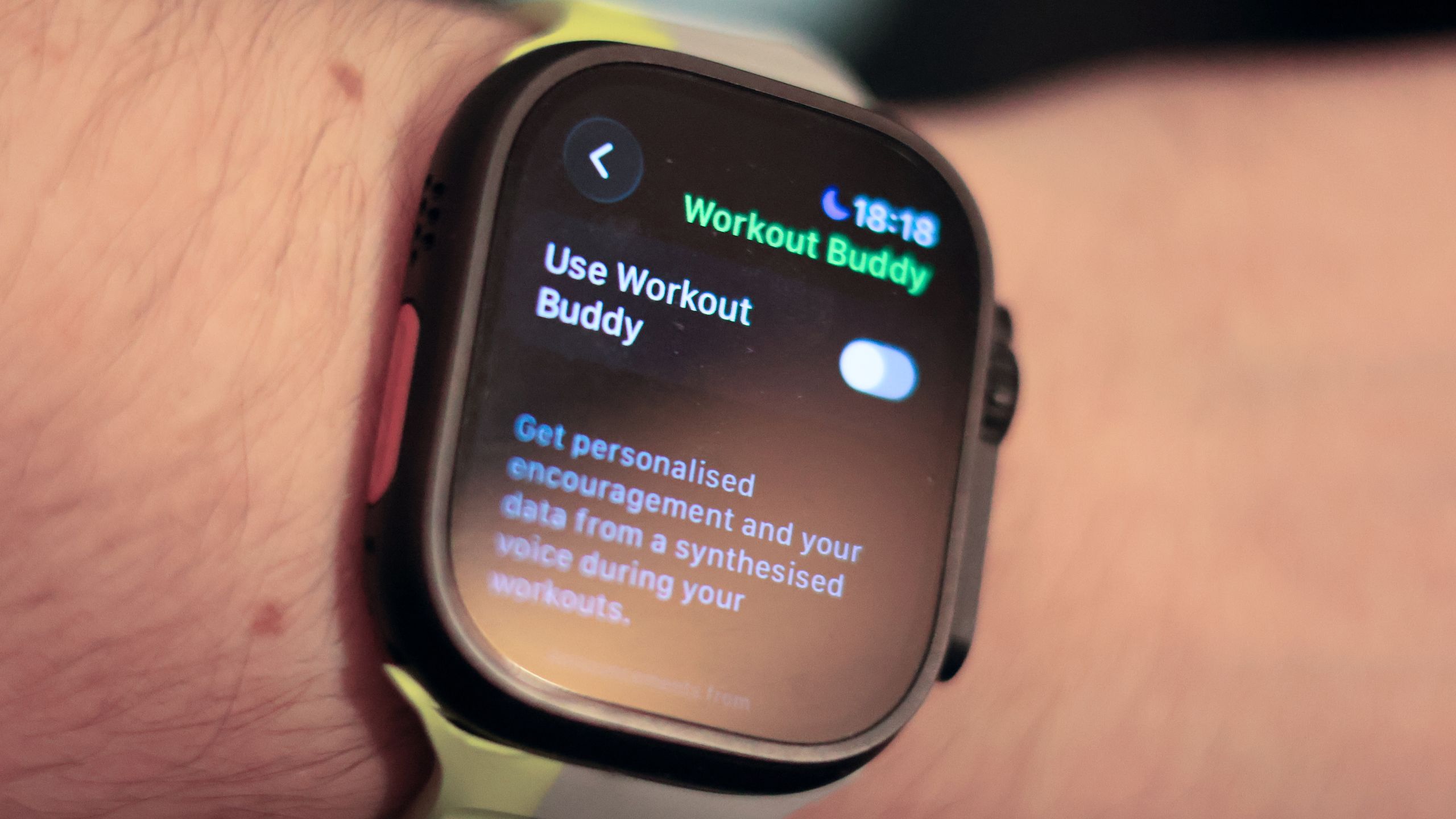
Alongside Siri AI, Apple is also adding a dynamic app grid, improvements to Workout Buddy, more accurate step tracking, Smart Stack suggestions, and a consolidated Find My app. So this is not a bare-bones update by any stretch. It just asks more from the watch than past versions did.
For Apple, that likely means a cleaner platform and fewer compromises. For owners of a Series 7 or original Ultra, it means a watch that still works fine — just not well enough, apparently, for the next chapter.