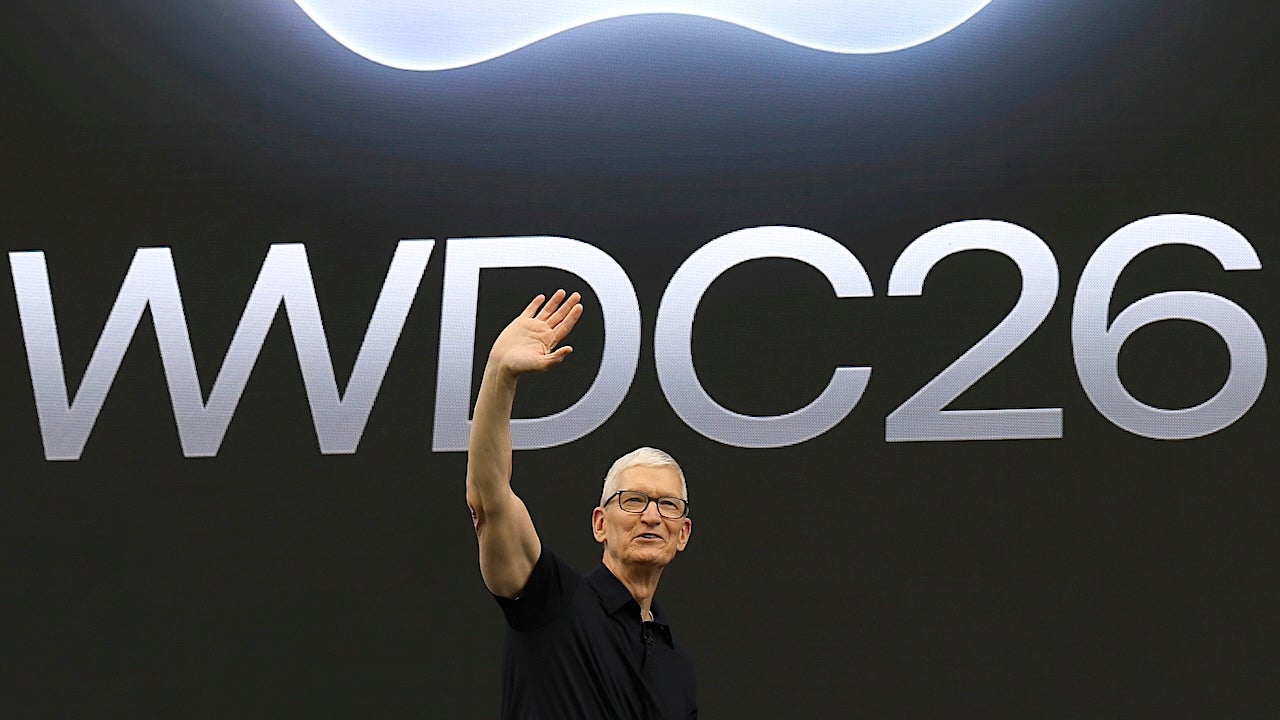
Apple spent much of WWDC 2026 making a simple argument: the company’s next software cycle is less about flashy reinvention and more about making the iPhone, iPad and Mac feel faster, cleaner and a lot more intelligent.
That message showed up everywhere. iOS 27 brings a refreshed take on Liquid Glass with a new transparency slider, faster app launches, quicker AirDrop transfers and a rebuilt search system that Apple says should make Spotlight and system-wide search more useful. The update also remains broadly compatible, with support for the same iPhones that ran iOS 26, including iPhone 11 and iPhone SE (2nd generation) and newer.
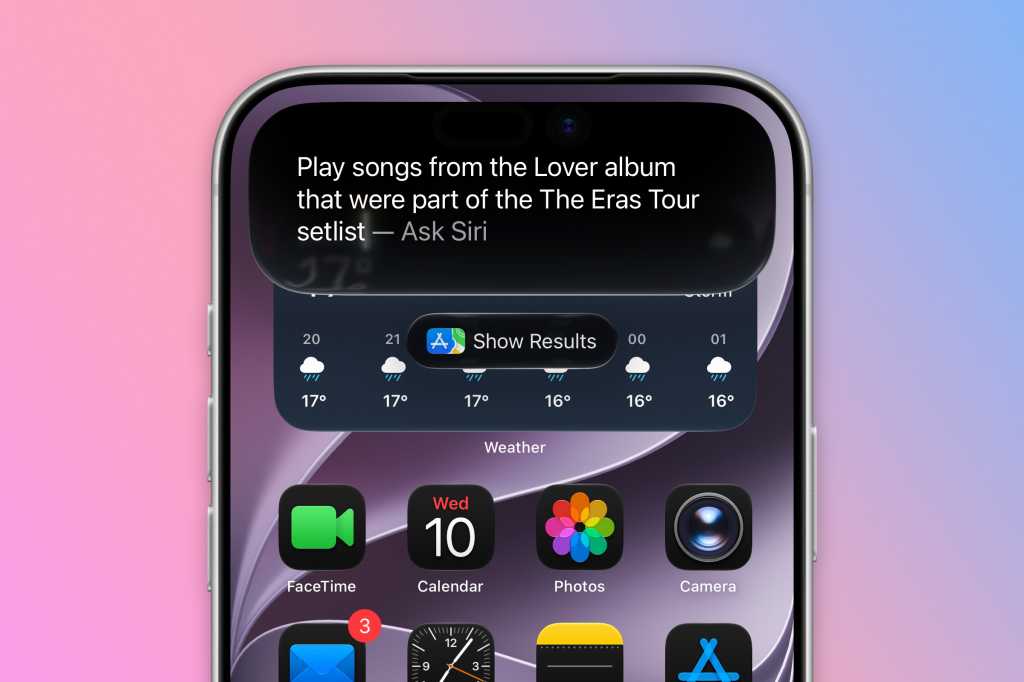
A lot of the early attention is going to Siri, though. Apple has reworked its assistant into what it’s calling Siri AI, a more conversational version that can hold back-and-forth exchanges, use on-screen context, tap into app actions and sync conversation history privately across devices. There’s even a standalone Siri app now, which feels like Apple quietly admitting that the assistant needed its own home. The company says the rollout will start in English and expand to more languages later.
That Siri overhaul also explains one of the stranger but more interesting details from the keynote: Apple says it worked with Google on the next generation of foundation models behind Apple Intelligence. For a company that usually prefers to keep its partnerships understated, that’s a pretty notable admission. It also gives more weight to the idea that Apple is trying to catch up in AI without surrendering its privacy pitch. Apple spent a lot of time repeating that on-device processing and Private Cloud Compute remain central to the system.
The visual layer is changing too, just not in the dramatic way some Apple watchers expected. Liquid Glass is getting an opacity control that lets users shift it from “ultra clear” to “fully tinted,” a direct response to complaints about readability. Apple says app icons will also get sharper, with more depth and refraction layers. The changes make sense after a year of debate over whether Liquid Glass looked futuristic or just busy. If you want the longer version of that design debate, Apple’s adjustments line up with the details in iOS 27’s stability and interface reset.
Performance is the other big theme, and Apple is leaning into it hard. The company says apps will launch up to 30% faster, AirDrop transfers can be up to 80% faster, and older devices should feel more responsive thanks to an optimized CPU scheduler. Photos should load new captures more quickly, Safari gets better JavaScript handling and smoother scrolling, and a long list of system apps — Mail, Messages, Photos, Files, Maps, Health and more — are getting smaller but very real refinements.
Some of the most practical changes are almost boring in the best way. Mail gets better ranking and more reliable search indexing. Messages improves syncing across devices and can now retry failed sends automatically. Photos gains richer metadata search, better album organization and tools for saving slideshow videos. Notes gets Markdown paste support, section links and divider lines. Shortcuts picks up a redesigned editor and more automation options. This is the kind of stuff that won’t dominate a keynote slide, but it’s the sort of polish people notice after a week of living with it.
Apple is also widening a few features in ways that feel quietly strategic. iCloud Shared Albums now work with Android and Windows, with full-resolution uploads and more flexible participation controls. That lines up with Apple’s ongoing push to make some of its ecosystem features more useful outside the walled garden, something we’ve already seen ripple through recent changes to cross-platform sharing and messaging.
There’s also a stronger push around trust and safety. Apple highlighted updates to child accounts and parental controls, and it framed the work as part of a broader effort to build a more reliable platform for families. At the same time, iCloud+ subscribers are getting a bigger slice of Apple Intelligence. Because some AI features rely on heavy server-side processing, Apple says paid iCloud+ tiers will get higher usage limits, while everyone still gets access to the core tools. The Home app is also getting smarter camera features for subscribers, including AI-generated summaries of clips and better event grouping.
A few other hardware-adjacent updates stood out. AirPods gain custom EQ support, Maps is getting an upgraded Flyover experience with richer aerial imagery, and Apple is adding more camera and Home features across its platforms. In Health, cycle tracking gets more advanced and menopause-related logging and education are expanding. For the Apple Watch, the software adds better battery efficiency, more accurate step tracking and a handful of new health and smart stack improvements.
In other words, this is Apple trying to do three things at once: make its devices feel quicker, make its AI story less awkward, and make its software look a little less polarizing than it did a year ago. That’s a lot to pack into one release, and Apple clearly wants the next cycle to feel less like a grand reinvention and more like a correction that users can actually live with.