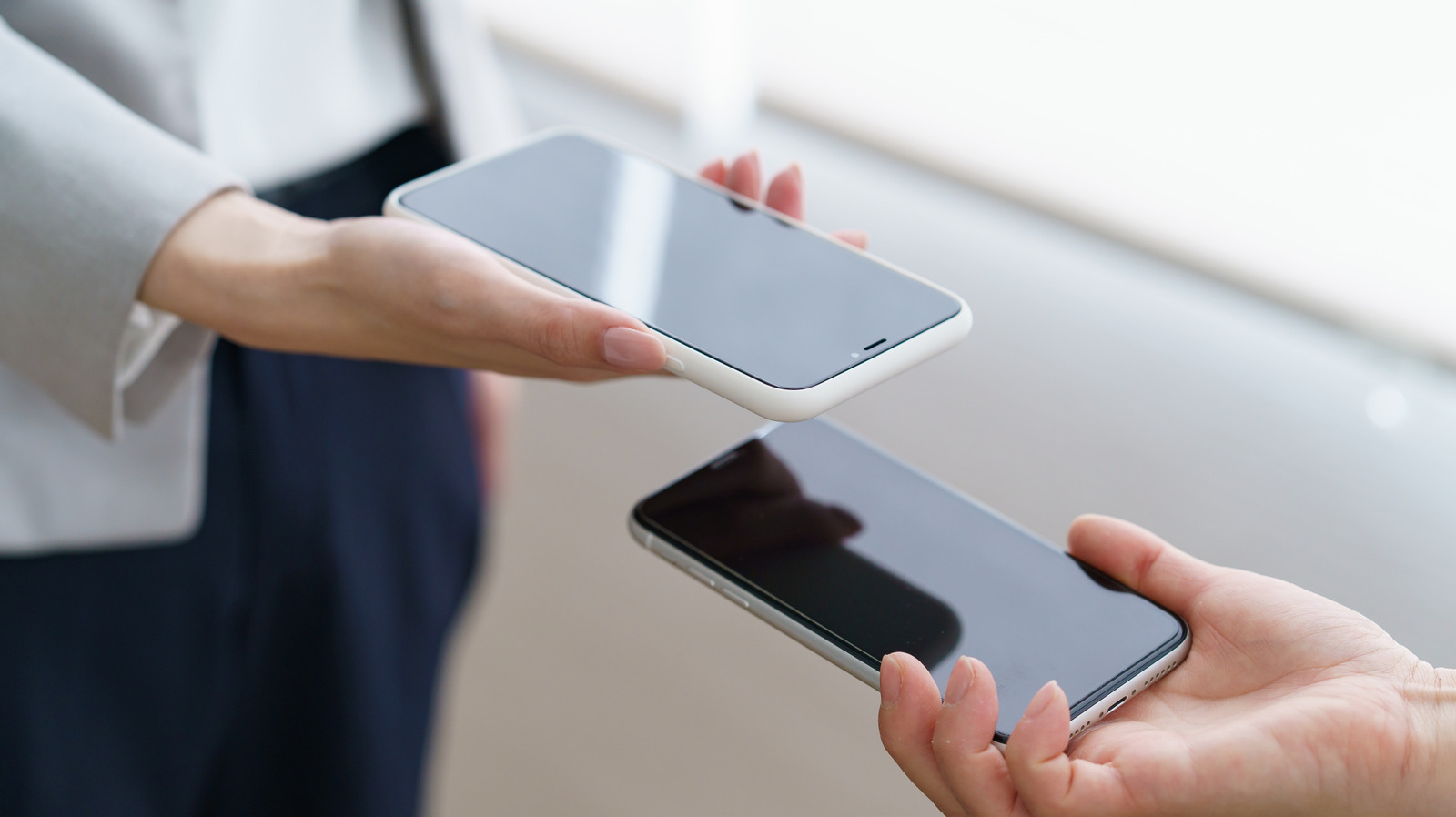
Apple’s next software update looks set to do something that sounds small until you actually picture using it: make two iPhones behave like a single, fluid setup.
The feature is called iPhone Handoff, and it appears to let you share one phone number and one cellular line across two unlocked iPhones. Instead of treating a second device as a separate phone with its own identity, iOS 27 will reportedly let you designate one iPhone as the main device and the other as a companion. Unlock the other handset, and the number can move with you.
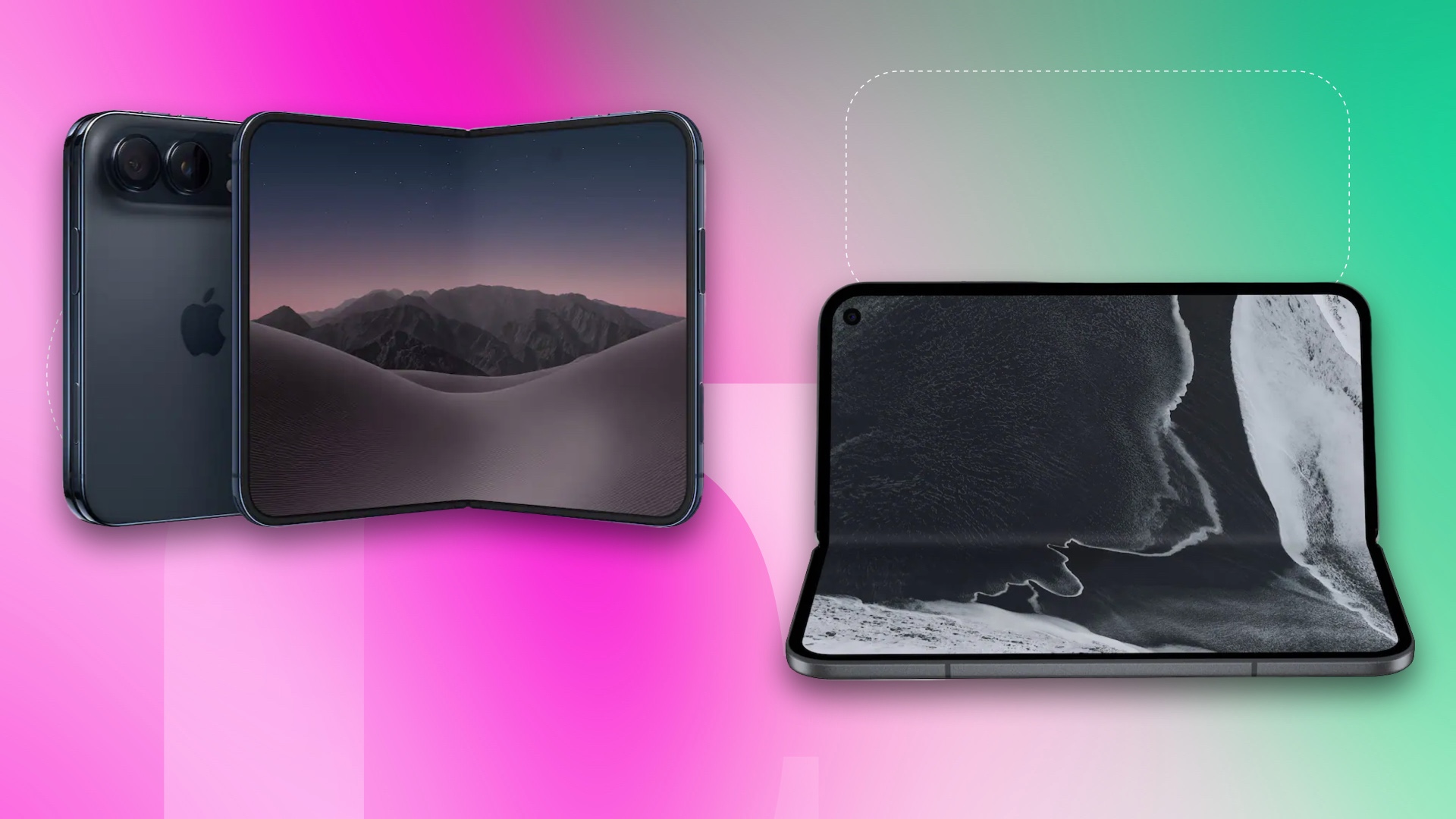
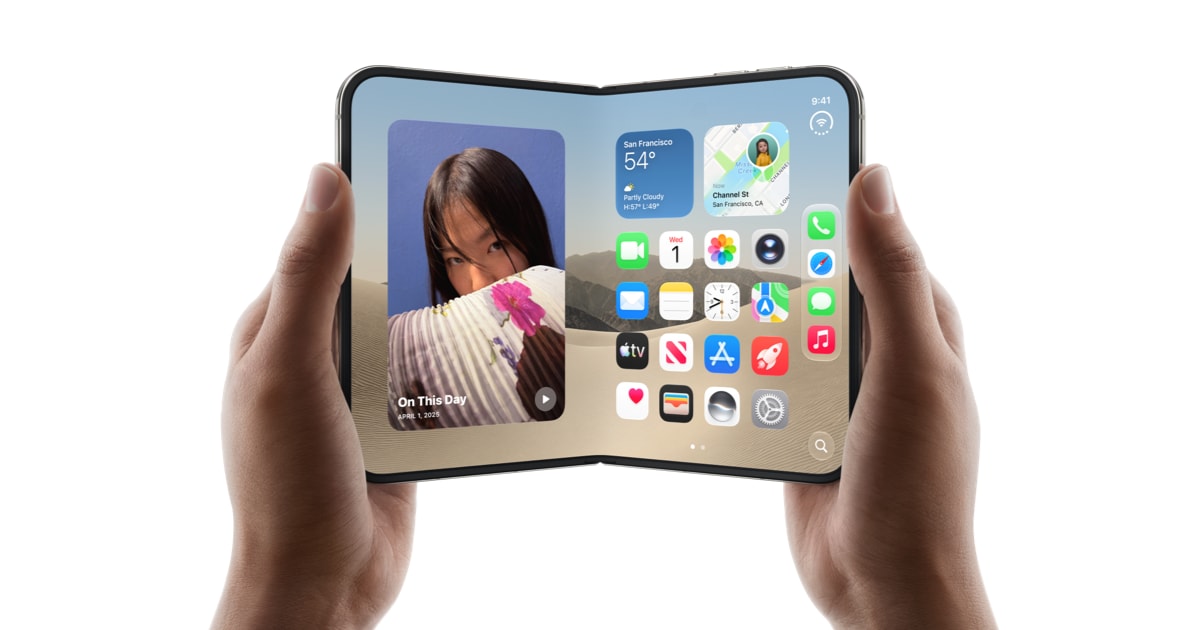
That’s a neat fit for the way Apple is heading. A lot of the chatter around this fall’s lineup has centered on foldables and dual-device ownership, including rumors about Apple’s first foldable iPhone and a more premium iPhone 18 family. If Apple really wants people to carry two iPhones without feeling like they’re managing a tiny office network, this is the kind of plumbing it needs.
According to the early demo shared by MacRumors forum member pdfu, setup lives inside Settings under Cellular. You pick your primary iPhone, then assign the other as the companion. Apple’s main eSIM stays on the primary device, while the companion iPhone gets a companion eSIM. After that, both can be used with the same number, but only the one currently active on the line handles calls and cellular data.
There’s a catch, because of course there is. The feature doesn’t sound like a pure Apple-to-Apple magic trick; carrier support is expected to be required. The earliest names floated so far include T-Mobile in the U.S. and Deutsche Telekom in Germany. That makes sense, since this isn’t just software flair — it’s an actual carrier workflow change.
Why this matters more than it first sounds
For most people, owning two iPhones sounds excessive. For a growing slice of Apple’s audience, though, it’s suddenly less weird than it used to be. Some will want a regular flagship for everyday use and a second, tougher handset for travel, the beach, workouts or nights out. Others may eventually pair a standard iPhone with a foldable model, which is where things get interesting.
Apple has already spent the past year nudging iPhone ownership into more specialized lanes, with a bigger divide between mainstream phones and premium models. Its upcoming software work fits that broader shift. The company is also preparing deeper AI changes in Siri, including a standalone Siri app and multitasking-focused upgrades, alongside the usual round of speed and stability tweaks.
That broader picture matters because iPhone Handoff is not really about convenience alone. It’s about reducing friction if Apple sells you a second device and expects you to actually use it, rather than leave it in a drawer once the novelty wears off. A smoother number-sharing system makes that much easier.
The location angle is also worth noting. Apple reportedly ties location sharing to whichever iPhone is actively using the number, which should keep things reasonably tidy when you switch back and forth. That could be useful, but it also raises the usual questions about how much visibility carriers and Apple will have into active-device changes.
If you’ve followed Apple’s recent software direction, this all feels of a piece with the company’s slow push toward making iPhones less rigid and more context-aware. iOS 26 already leaned into practical quality-of-life changes, and Apple’s quieter iOS 26 feature refreshes showed how much value the company sees in small workflow wins. iPhone Handoff is very much in that lane, even if it sounds more ambitious on paper.
The timing is hard to ignore, too. Apple told developers at WWDC 2026 that iOS 27 would arrive in the fall, and current beta chatter points to a release later this month, likely around the company’s September hardware event. If that holds, we shouldn’t have to wait long to see whether this feature is a niche curiosity or one of those quietly useful additions that ends up shaping how people actually carry their phones.
For now, the idea is simple enough: if Apple can make swapping between two iPhones feel invisible, then the old assumption that one number belongs to one handset may finally start to look dated.