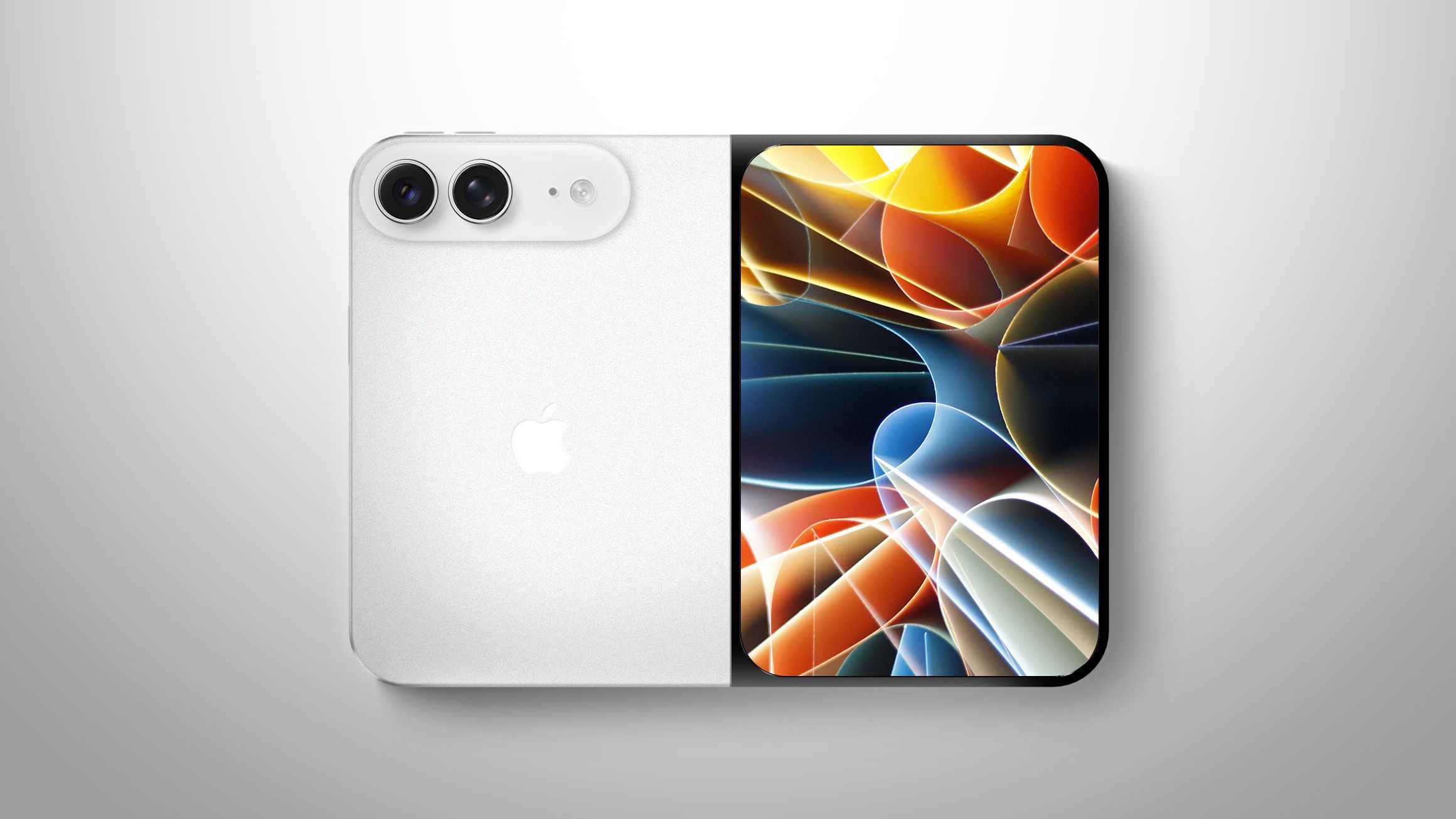
Apple’s first foldable iPhone is shaping up to be exactly the kind of product that makes people do a double take — and then immediately ask how much it costs.
The answer, according to reporting from Bloomberg and others, appears to be somewhere in the $2,000-plus neighborhood, with some configurations possibly creeping toward $3,000 once storage upgrades enter the picture. Apple originally hoped to land closer to $1,999, neatly slipping under the psychologically awkward $2,000 mark, but the company has reportedly revisited pricing as the memory crunch ripples through the industry. A starting price of $2,199 is now said to be under discussion.
That is a lot of money for a phone, even by Apple’s standards. But it also tells you what kind of device this is meant to be: not a mass-market experiment, but a halo product. Apple seems to believe enough customers already tolerate four-figure iPhones when storage climbs high enough, and that an upscale foldable can find its audience. Employees inside the company reportedly think they’ll sell every unit they can make.
A project that went from curiosity to obsession
The road to this phone has apparently been long, messy, and unusually shaped by Tim Cook himself. Around 2020, Cook returned from a trip to Asia energized by what he’d seen: more and more people using foldables from Samsung, Huawei, and others. That apparently helped push Apple to accelerate work on its own version.
That matters because Apple had already been studying foldable displays and related hardware for years, even before Samsung’s first Galaxy Fold hit the market in 2019. But the company had been stuck debating the basic identity of the product. One early idea was closer to an iPad mini that unfolded into a larger tablet. Cook reportedly pushed for something more mainstream — a foldable iPhone rather than a niche tablet hybrid.
It’s a familiar Apple move: wait, watch the category mature, then step in once it can make a cleaner, more opinionated version. The company has done that before, and it’s doing it again here. The difference is that this time the competition has had years to define the category, and rivals like Samsung have already settled on what a foldable can be. Even so, Apple still has the power to make the market recalculate itself, much like it did when the iPhone 18 Pro rumors started framing the next cycle around a foldable companion product.
Why Apple chose this shape
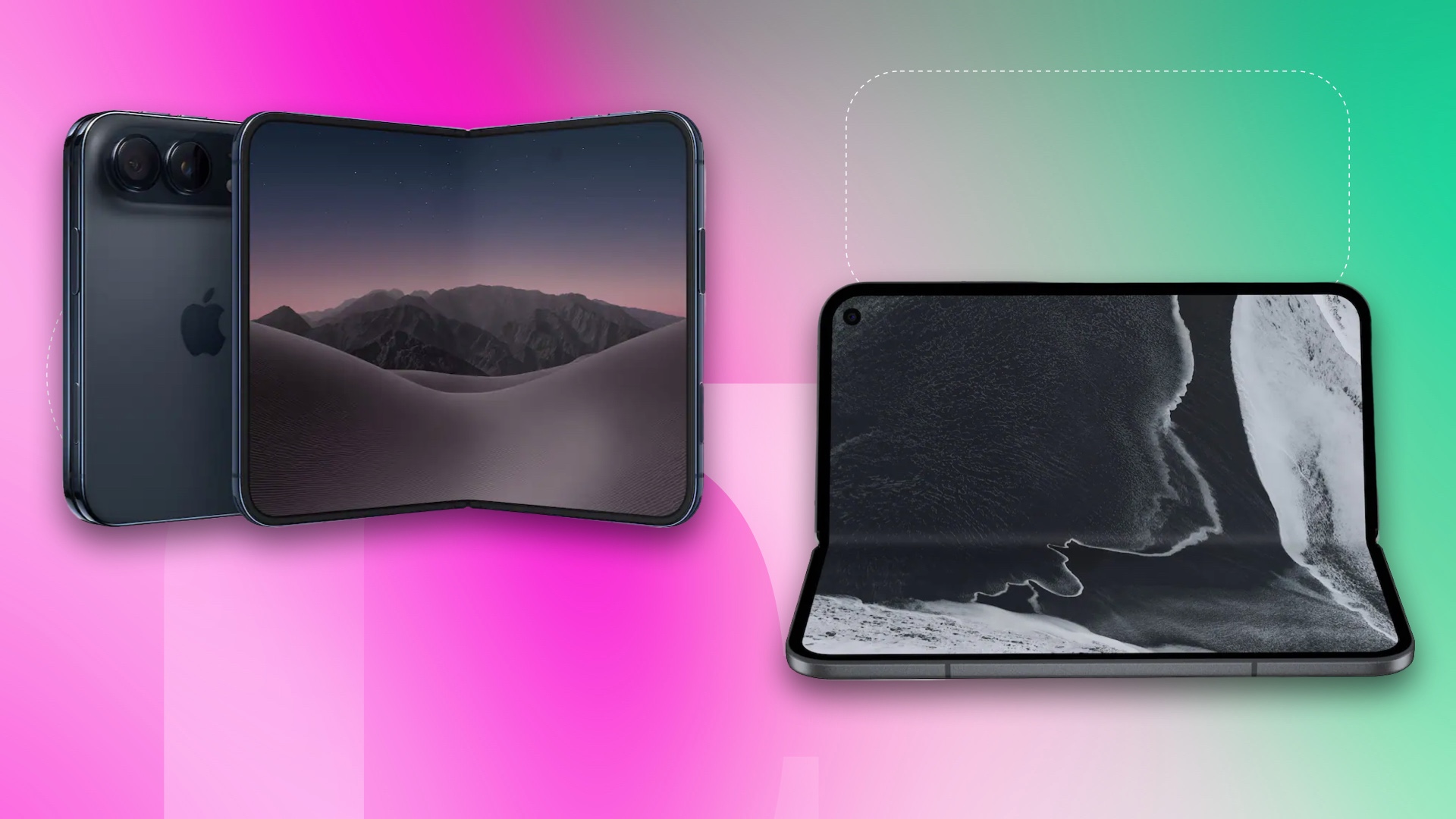
The foldable iPhone reportedly uses a short, wide design that opens to a larger inner display. Think passport when closed, Magic Trackpad when open. Apple apparently compared several proportions before settling on this layout, and the aim was clear: stand apart from the taller, book-style foldables that have dominated much of the market.
That design choice isn’t just cosmetic. It reflects a broader attempt to make foldables feel less like a tech demo and more like a distinct Apple product. The company seems to think this form factor creates its own appeal, especially for users who want a compact phone that unfolds into something more useful without becoming tablet-sized and unwieldy.
Reported specs point to a 7.8-inch inner display and a 5.5-inch outer screen, which lines up with the wide, pocketable concept Apple has been refining. It’s also the kind of move that may have influenced the current wave of “passport-style” foldables from Android makers. As The Verge has noted, Apple’s arrival has a habit of making the rest of the industry look like it was circling the same idea all along.
The hard part was never the hinge alone
Apple’s engineering team has apparently spent years trying to solve the same set of annoyances that have plagued every foldable so far: the crease, hinge durability, flexible cover glass, and under-display camera tech.
Those aren’t trivial problems. In foldables, the mechanics and the display are in constant tension with each other, literally. Apple eventually settled on a hinge made from titanium and aluminum, along with custom cover glass developed with Corning. The company still expects the foldable to be less durable than a normal iPhone — and likely less capable in some other familiar ways, including battery life and the camera system.
That’s not exactly a reassuring list. But Apple reportedly believes its build quality will still set the standard for the foldable market, even if the device doesn’t match the ruggedness of conventional iPhones. And if you’ve been tracking Apple’s more experimental hardware bets, you know this is part of the usual bargain: the first version arrives with compromises, then Apple spends several generations sanding them away. The same logic has shown up across the company’s broader lineup, including the quiet evolution of the iPhone 18 family.
John Ternus gets the stage
If this phone does debut at Apple’s “Surprise and shine” event, it will be more than just another hardware launch. It will be John Ternus’s first major product showcase as CEO, and that gives the moment extra weight.
Ternus reportedly played a major role in pushing the foldable over the finish line, alongside Cook. Bloomberg describes the device’s engineering complexity as an ideal showcase for Apple’s new top executive, which feels about right. A foldable is the kind of product that lets Apple show off its hardware muscle, its manufacturing discipline, and its ability to make a category feel suddenly canonical.
It also helps explain why so much attention has landed on this launch before Apple has even said a word publicly. Ternus inherited a company that is still wildly influential, and the foldable iPhone is a clean demonstration of that power. Even before release, the product has already nudged competitors toward a particular shape and size.
Apple’s wider September event is expected to include the iPhone 18 Pro lineup and new Apple Watch models too, but the foldable is the thing that changes the mood. If Apple really does pair a higher-end Pro launch with its first foldable, it’s also signaling that the company sees this as a premium cycle, not a mainstream refresh.
The AI angle may matter more than Apple admits
There’s another thread here that Apple has been quiet about, but can’t ignore for long: AI.
Foldables need a reason beyond novelty, and software is where Apple can try to sharpen that case. The company reportedly thinks it has an advantage over Android rivals in software polish, and that could extend to how the device handles multitasking, app continuity, and eventually more AI-driven workflows. That’s why some analysts are already tying the foldable to Apple’s broader AI story, including the company’s effort to make iPhone software feel smarter rather than merely shinier.
The timing is convenient for Apple, because the company has spent the past year under pressure to prove that its next hardware era will be more than cosmetic tweaks. A foldable paired with stronger on-device intelligence is the kind of combination that can reframe the conversation — at least if Apple ships software that feels genuinely useful instead of just demo-ready.
Until then, the hardware itself is doing the heavy lifting. And the price tag is doing the shouting.
For readers who’ve been following Apple’s foldable trajectory, this launch also sits alongside a growing pile of rumors about when the phone might actually ship, which could be just as important as the announcement itself. Apple has a habit of unveiling products before they’re truly ready to land, and a foldable iPhone would be a very Apple way to do exactly that.