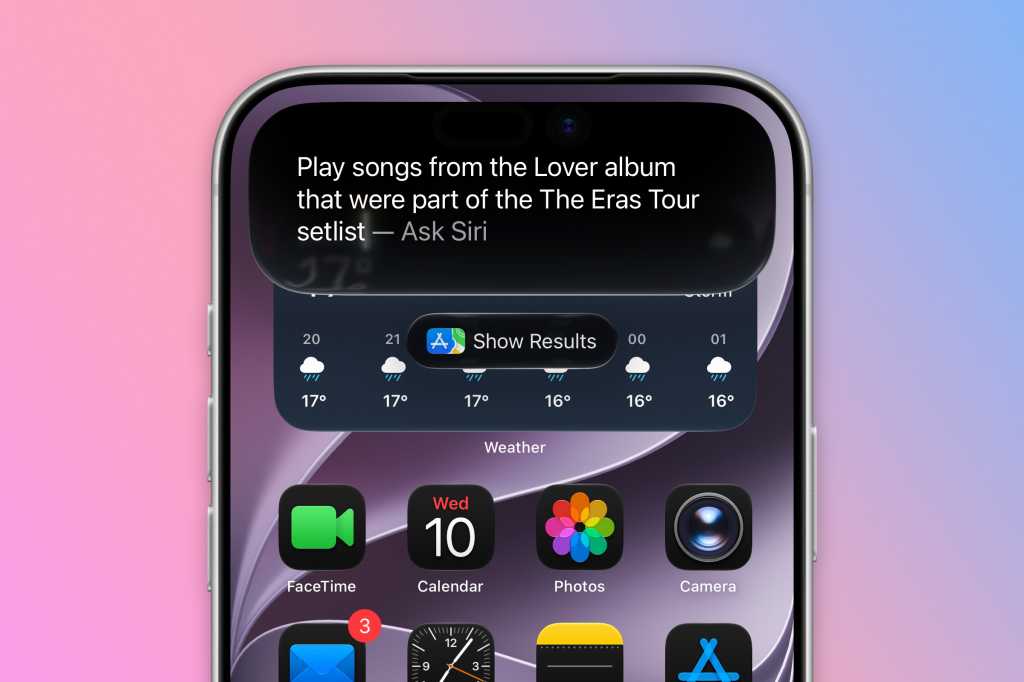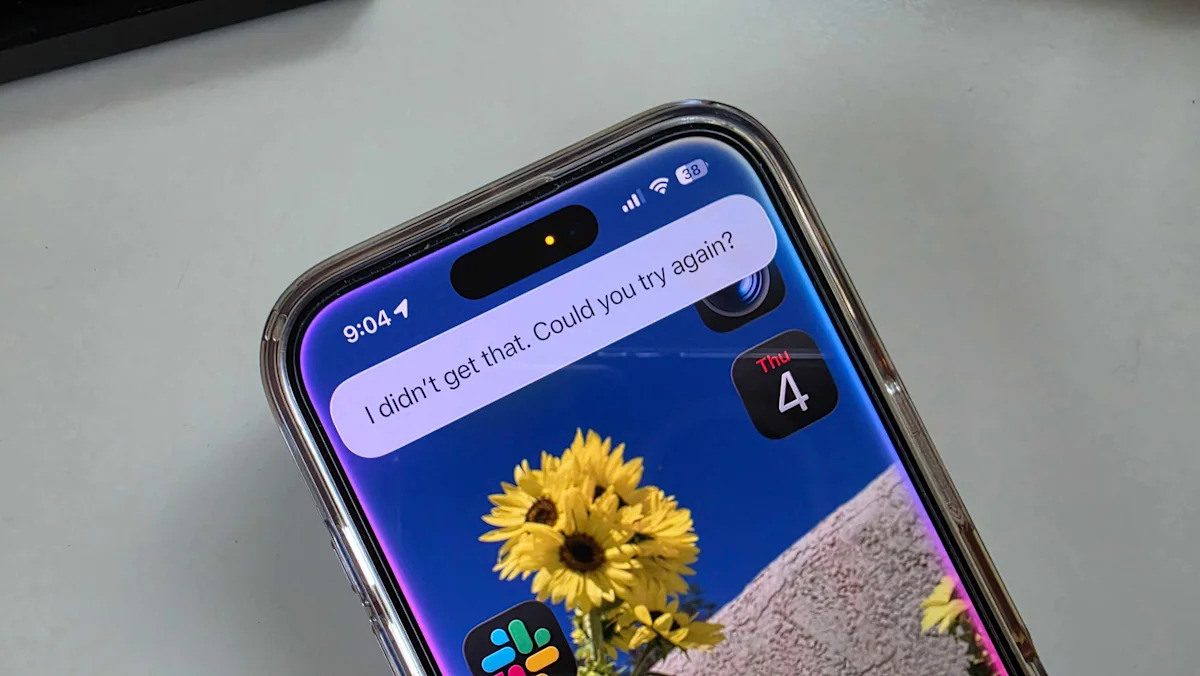
Apple can make a keynote look polished. Siri, on the other hand, still struggles with the small stuff — the kind of stuff people actually ask every day.
That gap matters more than any glossy demo at WWDC. Apple is expected to lean hard into on-device AI this year, and it has good reasons to do so. Running more intelligence locally fits its privacy pitch, trims cloud costs and plays to the company’s deep bench of custom silicon. It also gives Apple a cleaner story than rivals that depend on massive server farms and constant connectivity. But none of that will matter much if Siri keeps answering simple questions like a distracted intern.
The problem is not new. It’s the kind of frustration that builds slowly, then all at once. Ask for a drive-time estimate and Siri may punt the question back to your iPhone. Ask for the wrong place and it can happily send you to the other side of the country. Try to use it as an actual assistant — one that can handle context, follow-up questions and multi-step tasks — and you quickly run into the same old dead ends. Apple’s next-generation Siri work is supposed to fix some of that, but users have been hearing promises for long enough to become suspicious.
That skepticism is now part of the story. Apple’s earlier AI messaging sold the idea of an assistant that would feel smarter, more personal and more useful across the company’s devices. Instead, Siri has become a shorthand for Apple’s hesitation in the AI race. Even now, as the company prepares to talk up Apple Intelligence and its broader AI strategy, it has to avoid making the whole pitch sound like a race to say “AI” more often than everybody else.
That would be a mistake. People do not buy a phone because it can repeat the right buzzwords. They buy it because it saves them time, remembers context and quietly gets things done.
And that is where Apple still has a chance.
The company owns the hardware, the operating system and the ecosystem around them. If it can use that control to make AI feel like part of the device rather than a separate app, it could turn Siri from a punchline into a real interface layer. That would mean better answers, but also better behavior: knowing when to ask for clarification, knowing which device should respond, and knowing when to stop being cute and just finish the task.
Home is one obvious battleground. Apple’s rumored HomePad-style control hub, along with a refreshed HomePod mini, would need a Siri that understands which speaker should respond and which one should stay quiet. Right now, that sounds basic, but it isn’t solved. If you’re in the kitchen, you probably don’t want an iPad in another room trying to answer you. You want the nearest device to react without making a scene.
Apple also needs Siri to stop hiding behind web links and half-helpful summaries. When someone asks about the weather, the answer should feel immediate and useful, not like a redirect to a search engine wearing a smart assistant costume. That’s one reason Amazon’s Alexa push still looms over this category: however imperfect Amazon’s AI ambitions may be, the company has long understood that utility beats theatrics.
The same goes for fitness and wellness. Apple’s Workout Buddy looked promising because it tried to make AI feel practical and personal, not abstract. But it still feels like a lightweight add-on compared with what Google has been showing off in health and coaching. If Apple wants AI to matter, it can’t stop at cheerful earbuds pep talks and a few stat readouts. It has to make the data feel meaningful.
That broader tension — between showy AI branding and actual usefulness — is why WWDC is such a tricky moment for Apple. Developers want tools. Customers want features that help them navigate the day. Investors want proof that AI can drive upgrades and keep users locked into the ecosystem. Those are not identical audiences, and Apple will have to speak to all three without sounding like it is trying too hard.
The privacy angle may help. Apple can argue, with some credibility, that local processing is a better fit for personal assistants than constantly shipping data to the cloud. It can also point to the efficiency gains of doing more on-device. But privacy only carries a product so far. If Siri can’t answer clearly, can’t infer context and can’t complete tasks cleanly, then “private AI” will still feel like a slogan.
That is why WWDC should not be treated as a beauty contest for model sizes or benchmark bragging rights. Apple does not need to win the loudest AI race. It needs to make the iPhone feel smarter in the hand, the Mac feel more helpful at work and the home setup feel less like a collection of competing gadgets. If it can do that, the company may finally turn AI into something ordinary — which, for Apple, would be a pretty extraordinary achievement.
For now, though, Siri still has the burden of proof. And it’s a heavy one.